Every man eventually sits in that chair, catches his own eye in the mirror, and asks himself a version of the same question: do I go classic, or do I go modern? It’s a bigger decision than it looks. A haircut shapes how people read your face, your profession, and even your personality before you say a word. This guide walks through the full story behind both styles, from the barbershops of the 1940s to today’s skin fades and textured crops, and gives you a practical framework for choosing the cut that actually fits your face, your hair, your lifestyle, and your budget. By the end, you won’t just know the difference between a pompadour and a modern quiff. You’ll know which one belongs on your head.
Key Takeaways
- Classic haircuts (side parts, crew cuts, pompadours) prioritize structure, longevity, and low daily upkeep, while modern haircuts (fades, textured crops, undercuts) prioritize sharp contrast and styling versatility.
- Your face shape, hair texture, and growth pattern matter more than trends when choosing a style, so a haircut that looks great on a friend won’t necessarily suit you.
- Classic cuts generally rely on scissor-over-comb Traditional Barbering Techniques, while modern cuts depend heavily on clipper precision, meaning your choice of style should also guide your choice of barber.
- Cost differences between a $20 haircut and an $80 haircut usually come down to skill level, time invested, and the complexity of blending required, not the brand of the shop.
- The best-looking men’s haircuts today often blend both worlds, pairing a classic top with a modern taper or fade, so the “versus” in this debate is often more of a spectrum than a hard choice.
The Question Every Man Asks When He Sits Down in the Chair
There’s a specific moment every guy knows. The cape goes on, the barber tilts your chin up, and asks, “So what are we doing today?” That question feels simple. It isn’t. Behind it sits decades of grooming history, personal identity, workplace expectations, and a hundred Instagram photos you screenshotted at 1 a.m. and never followed up on.
What we actually mean by classic and modern haircuts
When barbers talk about a classic haircut, they’re generally referring to styles rooted in mid-20th-century grooming standards: clean lines, moderate length on top, tapered sides, and a strong reliance on comb-and-scissor work. Think side parts, crew cuts, and pompadours. These cuts were built for structure and longevity, meant to hold their shape through a workday without much fuss.
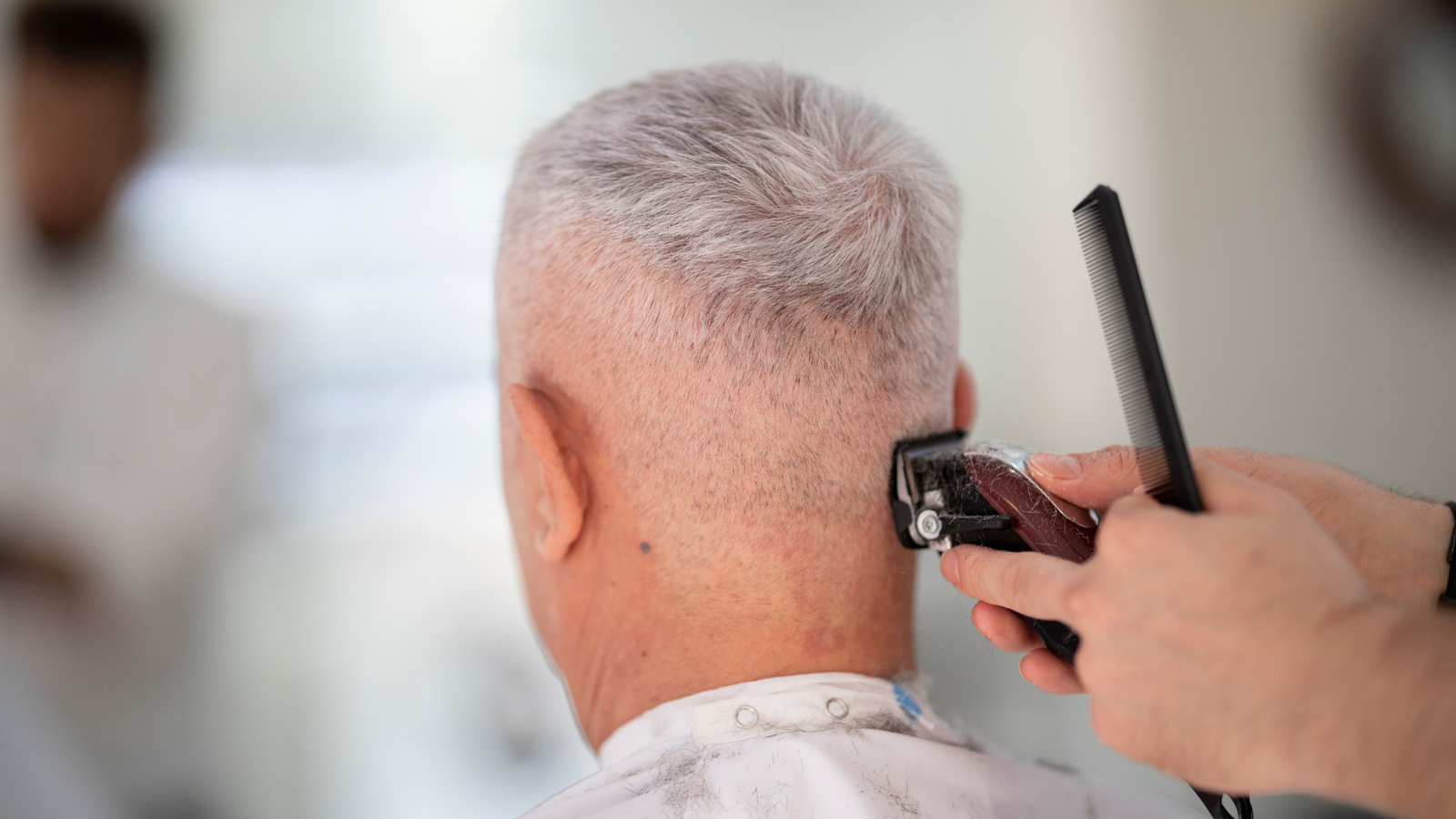
A modern haircut, by contrast, usually centers on higher contrast and sharper transitions, most often achieved with clippers. Skin fades, disconnected undercuts, and textured crops fall into this category. Modern styles tend to favor visual drama on the sides paired with deliberately messy or heavily textured tops, and they often require more frequent touch-ups to maintain that crisp line.
Neither definition is rigid. Plenty of “modern” cuts borrow classic elements, and plenty of barbershops now blend both approaches into a single haircut. But for the purposes of this guide, we’ll use these working definitions to compare the two philosophies side by side.
Why the debate matters more than most men realize
A haircut isn’t just aesthetic. It’s one of the fastest nonverbal signals you send in any room. Recruiters, clients, dates, and strangers all form impressions in seconds, and hair is part of that first read. Choosing between classic and modern isn’t about which one is “better.” It’s about which signal you want to send, and whether your hair, face, and lifestyle can actually support it.
There’s also a practical cost to getting it wrong. A style that doesn’t match your hair’s natural growth pattern can mean daily styling frustration, more frequent trims, or a cut that simply never looks the way it did in the photo you brought in. Understanding the real differences between classic and modern approaches helps you avoid that frustration before you ever sit down in the chair.
How to use this guide to make a confident decision
Think of this article as a conversation with a barber who has time to actually explain the “why” behind the recommendation, not just the “what.” We’ll walk through the history of both styles, break down the anatomy of specific cuts, compare tools and techniques, and get into the practical stuff: pricing, maintenance time, product needs, and how to match a haircut to your face shape and career. By the final section, you’ll have a clear decision framework you can bring straight into your next appointment.
A Century of Men’s Hair — How Classic Styles Were Born
To understand why classic haircuts look the way they do, you have to understand the world that shaped them. Men’s grooming has always mirrored the culture around it, and the classic cuts we still see today were built inside barbershops that operated more like community institutions than quick-service salons.
The barbershop’s golden era and the cuts that defined it
The mid-1900s barbershop wasn’t a place you popped into for fifteen minutes. It was a ritual. Men came in for a haircut, a hot towel shave, and often a bit of neighborhood gossip on the side. Barbers trained for years under master barbers before they were trusted with a straight razor near a paying customer’s neck. That apprenticeship culture produced an extremely high bar for precision, and the haircuts that came out of it reflected that discipline: clean, symmetrical, built to last a full week without losing shape.
Historical timeline of classic men’s haircuts
| Era | Dominant Style | Cultural Influence |
| 1920s-1930s | Slicked side part | Formalwear culture, Hollywood leading men |
| 1940s | Military-influenced crew cut | World War II grooming standards |
| 1950s | Pompadour, ducktail | Rock and roll, rebellious youth culture |
| 1960s | Ivy League cut | Preppy college style, conservative workplaces |
| 1970s-1980s | Longer classic layers | Loosening grooming standards, disco and rock influence |
How wars, culture, and economics shaped men’s grooming
Military service left a permanent mark on men’s hair. The crew cut, short on the sides and slightly longer on top, became standard issue for practicality: easy to maintain in the field, resistant to lice, and quick for a barber to execute on a soldier’s tight schedule. When millions of men returned home after World War II, they brought that short, disciplined silhouette into civilian barbershops, and it stuck around for decades.
Economic shifts mattered too. As office jobs became the norm for a growing middle class, haircuts needed to look sharp for five straight workdays without requiring a trip back to the barber. The side part and the Ivy League cut both solved that problem elegantly, offering a polished look that held its structure through long hours under fluorescent lighting.
The classics that never actually left
Here’s something worth sitting with: classic cuts never really disappeared. The crew cut still shows up in military and corporate settings. The side part remains a go-to for weddings and job interviews. Even the pompadour has had multiple pop-culture revivals, from Elvis to 1950s rockabilly nostalgia to modern celebrity red carpets. Classic styles endure because they solve a real problem: they look intentional and put-together with minimal daily effort, which is exactly what a lot of men still want from a haircut.
Defining the Classic Haircut — What It Is and What It Demands
Now let’s get specific. “Classic haircut” is a broad umbrella, so it helps to break down exactly what makes a cut earn that label, and what it asks of both the barber and the client wearing it.
The anatomy of a classic cut
A true classic cut typically features three defining traits. First, moderate length on top, usually one to three inches, enough to be styled with a comb but not so much that it flops without product. Second, a tapered side, gradually shortening from the top down to the skin or a short guard length near the ear and neckline, without the harsh, high-contrast blending seen in modern fades. Third, a clean, straight or slightly curved hairline, achieved with careful scissor and clipper-over-comb work rather than a razor-sharp shaved line.
The Ivy League, the side part, the crew cut, and the pompadour
The Ivy League cut is essentially a slightly longer crew cut, with enough length on top to comb into a soft, natural direction. It’s the haircut equivalent of a well-fitted blazer: understated, versatile, appropriate almost anywhere.
The side part takes that same top length and adds a defined parting line, usually created with a comb and held in place with pomade. It remains one of the most requested classic cuts for interviews, weddings, and formal events because it reads as deliberate and polished.
The crew cut is shorter and lower-maintenance than both, with tight sides and a flat or slightly rounded top. It’s the classic cut most associated with military and athletic culture, valued for how little daily styling it requires.
The pompadour is the most dramatic of the four, featuring significant volume swept upward and back from the forehead. It demands the most from both hair density and daily styling commitment but delivers the boldest visual impact of any classic style.
Tools and Traditional Barbering Techniques behind classic cuts
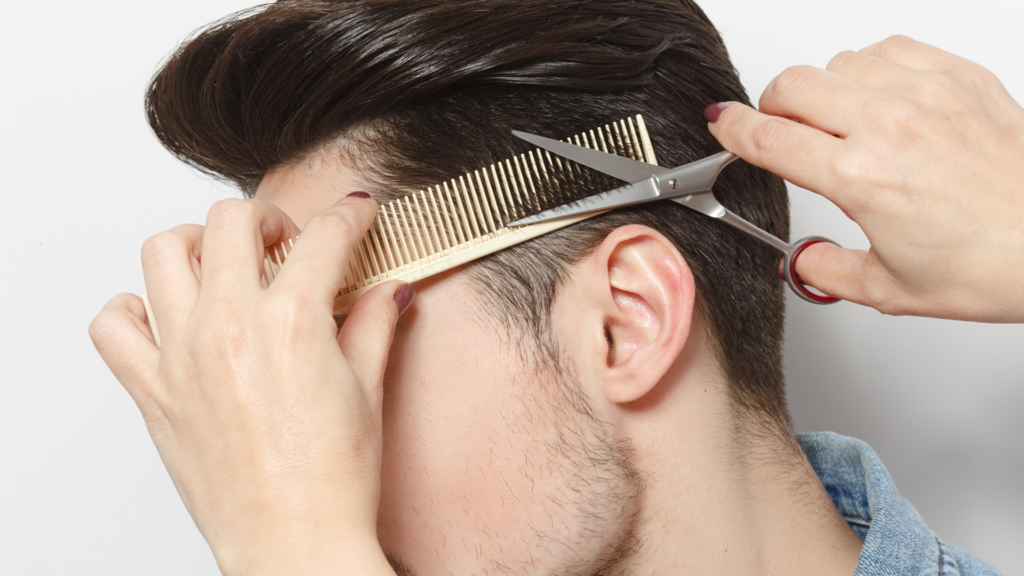
Classic cuts lean heavily on scissor-over-comb work, a technique where the barber lifts sections of hair with a comb and cuts directly above it with shears, allowing for soft, blended transitions without the harsh lines that clippers alone can create. This is one of the core Traditional Barbering Techniques passed down through generations of apprenticeship, and it’s part of why a well-executed classic cut can feel almost sculptural in how naturally it moves. Straight razors are also commonly used to clean up hairlines and necklines, giving classic cuts their signature crisp but soft finish.
Who the classic cut was built for
Classic cuts were designed for men who wanted a haircut that looked sharp Monday morning and still looked sharp Friday afternoon, without requiring a reapplication of product every few hours. They tend to suit thicker, straighter hair textures best, since fine or very curly hair can struggle to hold the structured shapes these cuts rely on. If your priority is a low-maintenance style that reads as professional and timeless, the classic category is worth serious consideration.
The Rise of Modern Haircuts — When Did Everything Change?
If classic cuts were built in barbershops shaped by military discipline and office culture, modern cuts were built in a completely different environment, one driven by individual expression, visual media, and rapidly evolving clipper technology.
The cultural shifts that pushed men toward modern styles
Starting in the 2000s and accelerating through the 2010s, men’s grooming culture shifted toward personalization. Where classic cuts emphasized uniformity and professionalism, modern cuts embraced individuality: sharper contrast, more texture, and styles that looked distinct from one man to the next. Athletes, musicians, and eventually social media influencers became the new reference points, replacing the buttoned-up Hollywood leading men of previous decades.
Defining characteristics of a modern haircut
Modern cuts are generally defined by high contrast between the top and sides, often achieved through fading the hair down to skin level in a smooth gradient. Texture also plays a much bigger role, with many modern styles intentionally leaving the top choppy, tousled, or matte rather than sleek and combed. Finally, modern cuts tend to embrace asymmetry and disconnection, deliberately breaking the smooth, continuous lines that defined classic styles.
The fade, the textured crop, the undercut, and the disconnected look
The fade blends hair from skin-short at the neckline up to whatever length sits on top, with variations including low, mid, high, and skin fades depending on where the blending starts.
The textured crop keeps the top relatively short, usually one to two inches, and uses cutting techniques like point cutting or texturizing shears to create a choppy, piece-y finish styled forward or slightly to the side.
The undercut creates a dramatic contrast by cutting the sides very short or shaving them, while leaving significantly more length on top, often styled slicked back or pushed to one side for maximum contrast.
The disconnected cut intentionally skips the gradual blend between top and sides, creating a visible line of demarcation for an edgier, more graphic look.
How social media accelerated modern style adoption
Platforms built around short-form video changed how men discover and request haircuts. A barber in Sydney can post a thirty-second fade tutorial and have it influence what a teenager in Toronto asks for the next week. This visual, fast-moving discovery process rewarded high-contrast, camera-friendly styles, which is a big part of why fades and textured crops became so dominant so quickly. It also raised client expectations around precision, since a slightly uneven fade is far more noticeable on video than a slightly imperfect side part ever was.
Classic vs. Modern — A Direct Style-by-Style Breakdown
Sometimes the easiest way to understand two categories is to put them right next to each other. Here’s a direct comparison of the most requested classic and modern equivalents.
The crew cut vs. the textured crop
The crew cut keeps things uniform and low-maintenance, with a flat or gently rounded top and short, even sides. The textured crop shares a similar length on top but introduces choppiness and movement, along with a more pronounced contrast against the sides. Choose the crew cut if you want something you can run a towel over and walk out the door. Choose the textured crop if you’re willing to spend two extra minutes with a texturizing paste for a more dynamic finish.
The side part vs. the fade
The side part relies on length and a defined parting line for its polish, while the fade relies on contrast and a smooth gradient down the sides. A side part tends to read as more traditional and formal, which is why it remains a favorite for weddings and interviews. A fade reads as sharper and more contemporary, and it’s become close to a default request in barbershops among younger clients.
The pompadour vs. the modern quiff
Both styles rely on volume at the front, but the pompadour is fuller and more structured throughout the entire top, often combed back completely. The modern quiff is generally shorter and messier, with volume concentrated more at the front and less emphasis on a slicked-back finish. If you want a dramatic, vintage-inspired statement, go pompadour. If you want volume with a more relaxed, textured edge, go quiff.
The taper vs. the skin fade
A taper gradually shortens the hair down the sides without ever reaching bare skin, maintaining a soft, subtle transition. A skin fade takes that same gradual approach but pushes all the way down to the skin at the bottom, creating a much sharper contrast. Tapers suit more conservative environments and softer overall looks. Skin fades suit clients who want maximum visual impact and don’t mind more frequent barbershop visits to keep that clean line intact.
Comparison table across all major styles
| Style | Category | Maintenance Frequency | Best Hair Type | Formality Level |
| Crew cut | Classic | Every 3-4 weeks | Straight, thick | High |
| Ivy League | Classic | Every 3-4 weeks | Straight, wavy | High |
| Side part | Classic | Every 4 weeks | Straight, thick | Very high |
| Pompadour | Classic | Every 3-4 weeks | Thick, straight | Medium-high |
| Textured crop | Modern | Every 3-5 weeks | Wavy, thick | Medium |
| Skin fade | Modern | Every 2-3 weeks | Any texture | Medium |
| Undercut | Modern | Every 4-6 weeks | Straight, wavy | Medium-low |
| Disconnected cut | Modern | Every 3-4 weeks | Thick, coarse | Low-medium |
Face Shape, Hair Type, and Which Style Actually Suits You
No haircut exists in a vacuum. The same fade that looks incredible on your friend can look completely wrong on you if your face shape, hair texture, or hairline works against it. This section is about matching the style to the person, not just the trend.
How face shape determines the right haircut choice
Men with round faces generally benefit from styles that add height and length on top while keeping the sides tighter, since this creates the illusion of a more elongated face. Both a classic pompadour and a modern faux hawk-style crop work well here. Men with square faces have more flexibility, since strong jawlines pair well with almost any style, though softer, textured tops can balance out particularly angular features. Men with oval faces are the lucky ones: this shape suits nearly every classic and modern style without much compromise. Men with long faces should be cautious with excessive height on top, since additional volume can exaggerate length; a classic crew cut or a low-to-mid fade with minimal top volume tends to work better.
Hair texture, density, and growth patterns — the real deciding factors
Hair texture matters just as much as face shape, and arguably more. Straight, dense hair holds structured classic styles like the pompadour and side part beautifully, since it responds well to product and comb work. Wavy or curly hair often looks better suited to textured crops or looser modern styles, since fighting natural curl pattern into a slicked-back classic shape usually requires more daily effort and heat styling. Fine or thinning hair benefits from shorter overall lengths in general, since longer styles on top can emphasize a lack of density rather than disguise it.
Growth pattern is the detail most men overlook entirely. A cowlick near the hairline can wreck a perfectly requested side part, while a strong natural forward growth pattern can make a slicked-back pompadour a daily fight against your own hair. A skilled barber will look at your growth pattern before recommending a style, not just your face shape.
Skin tone and hairline considerations
Hairline shape plays a quiet but important role in style selection. A receding hairline often looks more natural with a shorter overall length and a fade that draws attention away from the hairline itself, rather than a longer classic style that puts the hairline front and center. A strong, low, even hairline gives you more freedom to experiment with both classic and modern lengths without any style highlighting a concern you’d rather downplay.
Age, lifestyle, and the practical reality of maintenance
Your calendar matters as much as your mirror. If you travel constantly or simply don’t have time for daily styling, a low-maintenance classic cut like the crew cut or Ivy League will serve you better than a skin fade that needs a touch-up every two weeks to look sharp. If you enjoy the process of styling your hair each morning and don’t mind more frequent barbershop visits, a modern fade paired with a textured top gives you more room for daily variation and visual interest.
The Science Behind a Great Haircut
There’s genuine biology behind why some cuts hold their shape for weeks while others look shaggy within days. Understanding the science helps set realistic expectations for any style you choose.
How hair growth cycles affect cut longevity
Hair grows in cycles, and the average rate for scalp hair is roughly half an inch per month, though this varies by individual genetics and health. This growth rate is exactly why shorter, high-contrast styles like skin fades need more frequent touch-ups. Even a small amount of regrowth at the neckline or around the ears is immediately visible against skin-short fading, while a classic taper’s more gradual blend can absorb a few weeks of growth without looking obviously overdue for a trim.
The biology of hair texture and what it means for styling
Hair texture is largely determined by the shape of the hair follicle. Round follicles tend to produce straighter hair, while oval or flattened follicles produce wavier or curlier hair. This is why some men can achieve a sleek, slicked-back classic look with minimal product, while others need significantly more pomade or a completely different styling approach to work with their natural curl pattern rather than against it. Understanding your own hair’s biology, rather than fighting it every morning, is often the single biggest factor in whether a haircut looks effortless or forced.
Dermatology research on scalp health and haircut frequency
Scalp health directly affects how hair looks and grows, and dermatologists commonly recommend regular trims not just for style maintenance but to reduce split ends and breakage that can make hair appear thinner or less healthy over time. Keeping the scalp clean and well-conditioned also supports healthier hair growth overall, which matters for both classic styles that rely on density for structure and modern styles that rely on texture for visual interest.
Tools of the Trade — Classic Scissors vs. Modern Clippers
The tools a barber reaches for say a lot about the finished result. Scissors and clippers aren’t interchangeable, and understanding their strengths explains why classic and modern cuts look so different even when the underlying haircut length is similar.
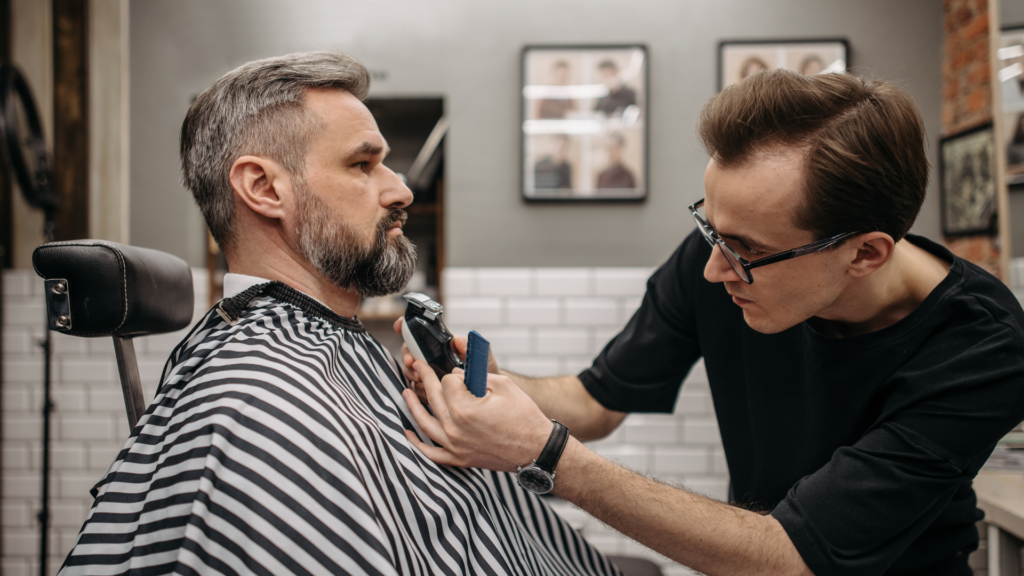
Scissor-over-comb and why it defined the classic barbershop
Scissor-over-comb is exactly what it sounds like: the barber combs a section of hair upward or outward and trims it with shears held flush against the comb’s edge. This technique allows for extremely soft, gradual blending, which is why classic cuts tend to have that seamless, sculpted quality rather than sharp, visible lines. It takes significant practice to master, which is part of why a genuinely skilled classic barber is worth seeking out and often worth a premium price.
Clipper technology and how it enabled modern fades
Clippers, especially modern cordless models with interchangeable guards, made it possible to achieve extremely precise, repeatable fades that would be far more time-consuming to create with scissors alone. Advances in clipper blade technology over the past two decades, including finer blade gaps and adjustable lever systems, are directly responsible for the rise of the skin fade as a mainstream style. Without this specific tool evolution, the ultra-sharp contrast that defines modern haircuts simply wouldn’t be achievable at scale in a standard barbershop appointment.
Comparison of tools used in classic vs. modern cuts
| Tool | Primary Use | Classic Cuts | Modern Cuts |
| Shears | Precision cutting, blending | Heavy use | Moderate use |
| Straight razor | Hairline and neckline cleanup | Heavy use | Light use |
| Clippers with guards | Bulk removal, tapering | Moderate use | Heavy use |
| Clippers without guard | Skin fading | Rare | Heavy use |
| Texturizing shears | Adding movement | Rare | Frequent use |
Why skilled barbers are trained in both
The best barbers today aren’t specialists in just one camp. A client asking for a classic side part with a subtle modern fade on the sides needs a barber comfortable moving between scissor-over-comb work and precise clipper blending in the same appointment. This blended skill set has become close to a baseline expectation in quality shops, since so many clients now request hybrid styles rather than a purely classic or purely modern cut.
Products, Styling, and the Daily Commitment Each Style Demands
The haircut is only half the equation. What you do with it every morning determines whether it looks intentional or like you rolled out of bed and hoped for the best.
Classic product pairings — pomades, waxes, and brilliantines
Classic styles typically call for pomade, a product formulated to add shine and firm hold while allowing for reworking throughout the day with a bit of water or heat. Oil-based pomades give the glossy, slicked finish associated with side parts and pompadours, while water-based pomades offer similar hold with easier washout. Brilliantine, an older styling product, remains popular for achieving that vintage, high-shine finish on pompadours and ducktails.
Modern product pairings — clays, pastes, and texturizers
Modern styles lean toward matte-finish products like clay and paste, which build texture and a natural, non-shiny hold suited to tousled tops and textured crops. Texturizing sprays and powders have also grown in popularity, adding volume and grip to fine or straight hair that would otherwise fall flat throughout the day.
Ingredient breakdown and what to look for on the label
Look for beeswax or petroleum-based formulas in classic pomades for strong, long-lasting hold with shine. For modern clays and pastes, kaolin or bentonite clay ingredients provide that matte texture and medium hold without weighing hair down. Avoid overly alcohol-heavy formulas in either category if you have a dry scalp, since they can contribute to flaking and irritation over time.
How much time does each style actually take to maintain?
Classic styles like the crew cut and Ivy League often take less than two minutes to style, sometimes requiring nothing more than a comb and a small amount of product. A side part or pompadour takes longer, often five to ten minutes, due to the precision required in the parting line or the volume needed at the front. Modern styles vary widely: a textured crop might take just a minute of scrunching with paste, while a meticulously styled quiff or slicked-back undercut can rival the pompadour in daily time investment.
Pricing, Value, and What You’re Paying For
Money matters, and haircut pricing can genuinely be confusing. Understanding what actually drives the cost helps you decide where to spend and where you can comfortably save.
Classic cut pricing across shop tiers
Classic cuts at basic, no-frills barbershops or chain salons often range from $15 to $30, reflecting a faster appointment time and less intricate blending work. Mid-tier barbershops with more experienced barbers typically charge between $30 and $50 for the same style categories, factoring in more careful attention to detail and often a hot towel or straight razor finish included in the service.
Modern cut pricing and why fades cost more
Fades and other high-contrast modern cuts frequently cost more than classic cuts at the same shop, often by $5 to $15, because the precision blending required takes more time and skill to execute cleanly. A poorly blended fade is immediately obvious in a way that a slightly imperfect classic taper often isn’t, which raises both the skill requirement and the price barbers charge for getting it right.
What separates a $20 haircut from an $80 haircut experience
At the $20 price point, you’re generally paying for the haircut itself and little else, often in a high-volume shop where appointments move quickly. At the $80 price point, you’re typically paying for a longer, more consultative appointment, additional services like a hot towel treatment or beard trim, a more experienced or specialized barber, and often a more comfortable, upscale environment. Neither price point guarantees quality on its own; a shop’s reputation and a specific barber’s portfolio matter more than the number on the price list.
When to invest and when to save
Invest in a higher-priced barber when you’re getting a precision-dependent modern cut like a skin fade, or when you’re building a long-term relationship with someone who consistently understands your hair. Save with a budget-friendly option for low-maintenance classic cuts like a crew cut, where the margin for error is smaller and the style is more forgiving of a less experienced hand.
Classic Cuts for Different Ages — From Kids to 50-Plus
Age doesn’t dictate style the way it once did, but it does shape practical priorities, from a first childhood haircut to the realities of thinning hair later in life.
Introducing boys to the chair — classic starter cuts
A young boy’s first several haircuts are often best kept simple: a classic crew cut or a slightly longer version of it. These styles are forgiving of a wriggling kid in the chair, easy for parents to maintain between visits, and gentle introductions to the barbershop experience without the added time and cost of more complex modern styling.
The right cuts for men in their 20s and 30s
This age range generally has the most flexibility to experiment, since hairlines and hair density are usually still strong. Modern fades, textured crops, and hybrid classic-modern combinations tend to be popular here, reflecting both career flexibility in many industries and a greater willingness to spend time on daily styling.
How men over 40 should think about style vs. practicality
For men in their 40s and beyond, practical considerations like thinning hair or a maturing hairline often become more relevant. Classic, slightly shorter styles tend to age well and can be adjusted subtly over the years without requiring a dramatic style change. That said, a well-executed modern cut, adapted thoughtfully for hair density, can look just as sharp; the key is choosing a barber willing to adjust a trendy request into something that genuinely suits your current hair rather than the hair you had twenty years ago.
Common Mistakes Men Make When Choosing a Haircut
A lot of haircut disappointment comes down to a handful of repeatable, avoidable mistakes.
Picking a style based on someone else’s hair
Bringing in a photo of a celebrity or influencer is a great starting point for a conversation, but it becomes a problem when the photo is treated as a literal blueprint regardless of your own hair texture, density, and face shape. A good barber will use that photo as inspiration and then adapt it to what will actually work on your head.
Ignoring hair texture and growth direction
Requesting a slicked-back pompadour with hair that grows in three different directions from a strong cowlick is setting yourself up for a frustrating daily styling battle. Discuss growth pattern honestly with your barber before committing to a style that depends on hair behaving in a way it naturally resists.
Vague communication and how it causes bad results
“Just take a little off the top” means something different to every barber and every client. Specific language, reference photos, and clear numbers (like guard sizes on the sides) dramatically reduce the odds of miscommunication and an outcome you’re unhappy with.
Over-maintaining or under-maintaining the cut
High-contrast modern fades that go five or six weeks without a touch-up start to look messy rather than intentional, while classic cuts that go too long between visits can lose their crisp structure entirely. Match your appointment frequency to the style you’ve chosen, not the other way around.
Real Scenarios — Matching the Haircut to the Occasion
Context changes everything. The right haircut for a wedding might be the wrong choice for a creative studio job.
Corporate environment — which style holds up in the boardroom
Conservative corporate settings still generally favor classic cuts like the side part, Ivy League, or a subtle low taper. These styles read as polished and low-distraction, which matters in environments where a bold fade or heavy texture might draw attention away from the conversation at hand.
Creative industries — where modern cuts shine
Creative fields like design, marketing, and media tend to be far more receptive to modern, expressive cuts. A textured crop or a disconnected undercut can actually work in your favor here, signaling personality and current style awareness in a way that’s valued rather than questioned.
Weddings, events, and formal occasions
For weddings and formal events, classic styles remain the safest and most photogenic choice, particularly the side part, which pairs naturally with formalwear and photographs cleanly for decades of family photo albums. If you already wear a modern fade daily, consider a slightly more refined, less dramatic version for the big day itself.
Everyday casual — the most forgiving styles for low-maintenance men
For pure everyday practicality, the crew cut and the low-maintenance taper remain the most forgiving options across both categories, requiring minimal daily styling while still looking deliberate and clean.
Finding the Right Professional for the Style You Want
Not every barber is equally skilled at every style, and choosing the right professional matters as much as choosing the right haircut.
What to look for in a classic-trained barber
A barber skilled in classic cuts should be comfortable with scissor-over-comb work and straight razor finishing, not just clipper guards. Ask directly about their training background; barbers who apprenticed under classic-style mentors or trained at traditional barbering schools tend to have stronger foundations in these techniques.
How to evaluate a portfolio for modern cut skill
For modern cuts, look closely at fade blending in a barber’s portfolio photos, specifically checking for smooth, gradual transitions without visible lines or patchy sections. Consistency across multiple clients in a portfolio, rather than just one or two flawless photos, is a better indicator of reliable skill.
Using ‘haircut near me’ searches effectively to find the right shop
A quick haircut near me search will surface dozens of nearby options, but don’t stop at proximity alone. Filter by reviews that specifically mention the style you want, check recent portfolio photos rather than outdated ones, and consider calling ahead to ask whether a specific barber on staff specializes in classic or modern techniques.
Building a long-term relationship with your barber
The single best way to consistently get a great haircut is sticking with one barber who learns your hair over multiple visits. They’ll remember your growth pattern, your styling habits, and your past feedback, which consistently produces better results than starting from scratch with a new barber every few months.
Trends Shaping Men’s Hair in the Years Ahead
Men’s grooming keeps evolving, and a few clear directions are already shaping where things go next.
The blended style era — when classic meets modern
The sharpest current trend isn’t classic or modern in isolation; it’s the deliberate blend of both, like a classic pompadour on top paired with a modern skin fade underneath. This hybrid approach lets men keep a polished, structured top while still embracing the sharp contrast that defines modern style, and it’s increasingly the default request in barbershops that cater to a style-conscious clientele.
Sustainability, skin health, and cleaner products
There’s growing demand for grooming products formulated without harsh sulfates or synthetic fragrances, reflecting broader consumer interest in ingredient transparency across personal care categories. Barbershops are responding by stocking cleaner pomade and clay alternatives that still deliver the hold and finish clients expect.
Technology in the shop — digital consultations and precision tools
Some shops now offer digital consultations, using photos and even simple face-mapping tools to recommend styles before a client ever sits in the chair. Precision clipper technology also continues to improve, with finer adjustability making ultra-clean fades more consistently achievable across a wider range of barbers, not just the most experienced specialists.
Frequently Asked Questions
Is a classic haircut more professional than a modern haircut?
Classic haircuts tend to read as more traditionally professional, particularly in conservative industries like law, finance, and government. That said, subtle modern cuts like a low taper fade are widely accepted in most modern workplaces, so the real answer depends heavily on your specific industry and company culture.
How often do I need to get a modern fade touched up compared to a classic cut?
Modern fades typically need a touch-up every two to three weeks to maintain their sharp contrast, since regrowth is highly visible against skin-short fading. Classic cuts like the crew cut or Ivy League can often stretch to three or four weeks before looking noticeably overdue.
Can I switch from a modern fade back to a classic style easily?
Yes, though the transition is easier in one direction than the other. Growing a fade out into a classic style is generally straightforward, since you’re simply letting length build. Going from a longer classic cut to a tight modern fade is an immediate, one-appointment change.
Which style is better for thinning hair?
Shorter overall lengths generally suit thinning hair better in both categories, since excess length can emphasize a lack of density rather than hide it. A classic crew cut or a modern low fade with minimal length on top are both strong options.
Do I need different products for classic versus modern haircuts?
Generally, yes. Classic styles usually rely on pomade for shine and structured hold, while modern styles typically use matte clay or paste for texture without shine. Using the wrong product type can make either style harder to achieve.
How much should I expect to pay for a good haircut?
Pricing varies widely by region and shop tier, but a solid, well-executed haircut at a mid-tier barbershop typically falls between $30 and $50, with modern fades often costing slightly more than classic cuts due to the added blending time involved.
What’s the best haircut for a round face shape?
Styles that add height on top while keeping the sides tighter tend to work best for round faces, since they create the visual impression of a longer face. Both a classic pompadour and a modern textured crop with volume can achieve this effect.
How do I explain what I want if I don’t know the technical terms?
Bring reference photos and be specific about length preferences, using guard numbers for the sides if you know them. A good barber will translate a vague description like “shorter but not too short” into the technical language needed to execute it accurately.
Is it better to see a barber who specializes in one style, or one who does both well?
A barber comfortable in both classic and modern techniques generally offers more flexibility, especially since many popular current styles blend elements of both. That said, if you know you want a very specific classic or modern style, a specialist in that exact category may deliver a more refined result.
How do I find a good barber near me for the specific style I want?
Start with a haircut near me search, but go beyond the first few results. Look at recent portfolio photos, read reviews that mention your specific desired style by name, and don’t hesitate to book a consultation before committing to a full haircut appointment.
Conclusion
At the end of the day, this isn’t really a debate you need to win. It’s a decision you need to make, once, with confidence, based on your own face, your own hair, and your own life. Before your next appointment, run through a short mental checklist: What’s your face shape, and does it call for more height or less? What’s your natural hair texture and growth pattern, and will it cooperate with the style you’re picturing? How much time are you realistically willing to spend styling each morning? What does your workplace or industry expect? And finally, how often are you willing and able to get back in the chair for maintenance?
Once you’ve answered those questions, bring that clarity straight to your barber. Use specific language, bring a reference photo if you have one, and be honest about your styling habits and time constraints. The clearer you are, the closer the final result will match what’s in your head.Classic and modern haircuts aren’t really rivals. They’re two different toolkits built to solve two different problems: one prioritizing structure and longevity, the other prioritizing contrast and expression. The right haircut is the one built around your actual hair, your actual face, and your actual life, not just whatever’s trending this month. Walk into your next appointment with that clarity, communicate it plainly, and you’ll walk out with a cut that works for you long after you’ve left the chair.