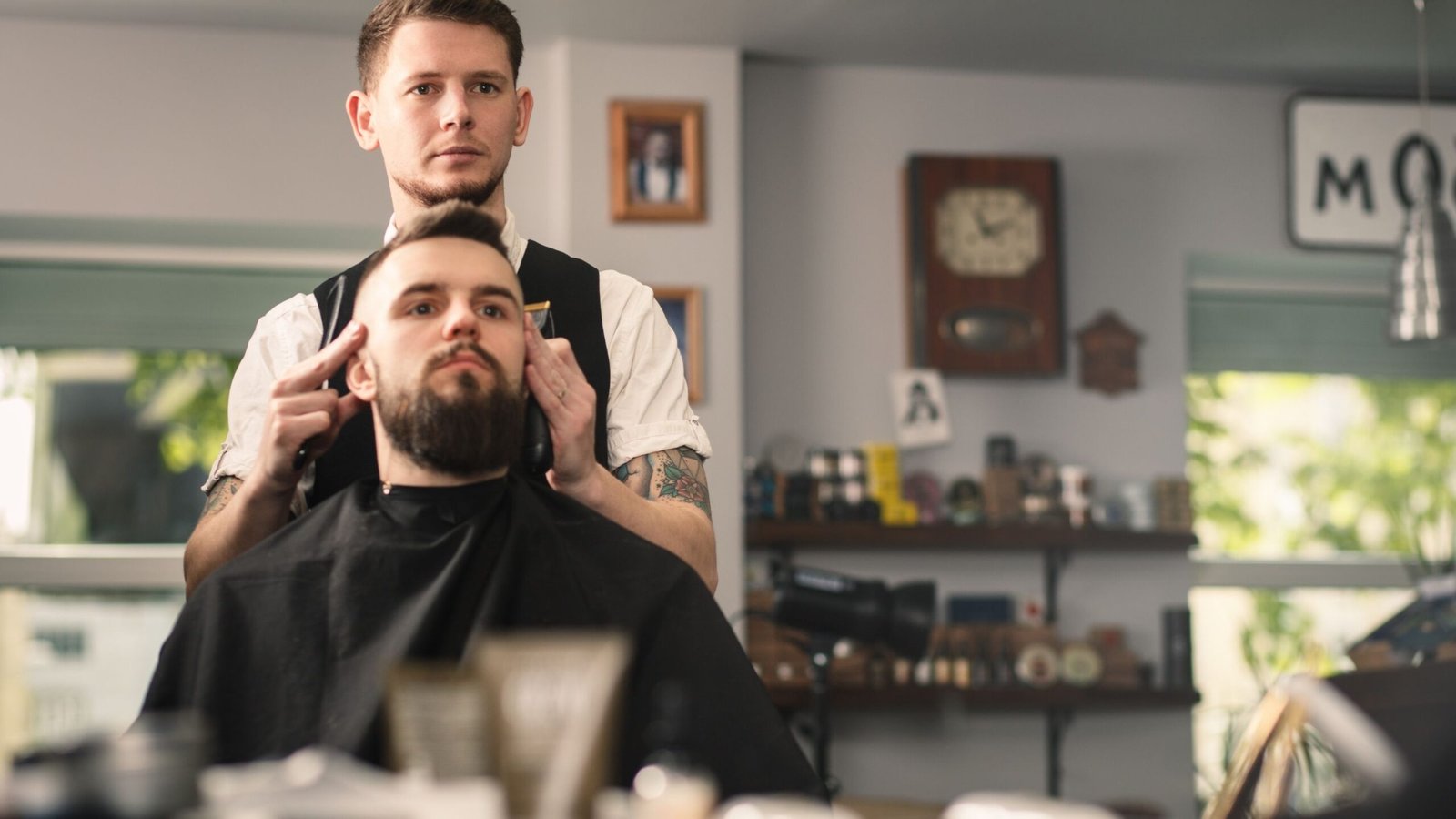
There’s a reason the smell of talc, the snap of a leather strop, and the low buzz of a clipper motor have started pulling men away from quick-fix salons and back into old-school barbershops. This isn’t nostalgia dressed up as a trend. It’s a genuine shift in how men think about grooming, masculinity, and the fifteen minutes they spend in a chair each month. You’ll see it in the growth of barbershops built around straight razor shaves, in the return of apprenticeships over quick certification courses, and in a generation of younger men who grew up watching their fathers get a five-minute buzz cut and decided they wanted something with more craft behind it. This guide walks through the history, the science, the culture, and the practical side of the traditional barbering revival, so by the end you’ll know exactly what to look for, what to ask for, and why it’s worth your time and money.
Key Takeaways
- The traditional barbering revival is driven by sensory experience, nostalgia, social media exposure, and a cultural shift toward grooming as a masculine ritual rather than a chore.
- Techniques like the straight razor shave, scissor-over-comb cutting, and hot towel treatments produce measurably better results for skin and hair health than many modern shortcuts.
- The barbershop has re-emerged as a social and mental health space for men, not just a grooming stop.
- Traditional tools (straight razors, quality steel scissors, sturdy barber chairs) outperform mass-market alternatives in precision, durability, and comfort.
- The market is responding with premium barbershop concepts, renewed apprenticeship models, and a wave of new product lines built around old formulas.
The Smell of Talc and the Sound of Scissors — What’s Pulling Men Back to Traditional Barbershops
Walk into a proper traditional barbershop and your senses go to work before you even sit down. Talc powder in the air. The rhythmic click of steel scissors. A leather strop snapping against a hook. This sensory environment is a huge part of why men are walking away from ten-minute chain salons and back toward the barbershop experience their grandfathers knew.
The Sensory Experience That Modern Salons Can’t Replicate
A traditional barbershop engages every sense at once, and that’s not an accident. It’s baked into the ritual. The scent of bay rum aftershave, the warmth of a steaming towel against your jaw, the cool metal of a straight razor against your neck, the low hum of conversation around the waiting chairs. Modern salons, by contrast, are often built for speed and efficiency: bright lighting, synthetic products, a focus on throughput rather than experience.
This matters because grooming has always been tied to ritual, and ritual depends on sensory cues. When a man sits in a barber’s chair and smells the talc, he’s not just getting a haircut. He’s stepping into a controlled, comforting environment that many modern service businesses have stripped away in favor of speed. That’s the gap traditional barbershops are filling, and it’s a big reason clients are willing to pay more and wait longer for an appointment.
Why Nostalgia Is a Powerful Driver of Consumer Behavior
Nostalgia isn’t just a soft, sentimental feeling. Behavioral researchers have long noted that nostalgia acts as a psychological resource, helping people feel more connected to their identity and community during periods of rapid change. In grooming, that shows up as men actively seeking out the exact experience their fathers and grandfathers had: a straight razor shave, a proper fade cut with clippers and shears, a shoeshine chair in the corner.
The men driving this revival aren’t only older guys chasing a memory. Plenty of them are in their twenties and thirties, drawn to an aesthetic and a level of craft they never personally experienced but recognize as more “real” than a fifteen-minute chain-salon visit. Nostalgia, in this case, isn’t about reliving your own past. It’s about buying into a version of masculinity and craftsmanship that feels more grounded than what mass-market grooming offers.
The Role of Social Media in Reviving Old-School Aesthetics
Here’s the twist: a very old-school trade has been revived largely through very new-school technology. Barbers filming straight razor shaves, satisfying scissor-over-comb cuts, and hot towel routines have found massive audiences on platforms built around short, visually satisfying video. The slow, deliberate motion of a razor gliding through lather scratches a very specific itch in a feed full of fast cuts and jump edits.
This content does double duty. It markets individual barbershops to a hyper-local audience searching for a haircut near me, and it also builds broader cultural appetite for the traditional barbering aesthetic: the leather chairs, the vintage signage, the striped pole out front. Younger barbers have realized that showing the craft, not just advertising the price list, is what actually fills chairs.
A Brief but Fascinating History of Barbering Through the Ages
To understand why traditional barbering is coming back, it helps to know where it came from and how close it once came to disappearing entirely.
Ancient Origins — From Egypt to Rome
Barbering is one of the oldest recorded professions. Ancient Egyptians used copper razors and considered a clean-shaven face a marker of hygiene and status, particularly among priests and nobility. In ancient Rome, barbershops, known as tonstrinae, functioned as social hubs where men gathered to gossip, debate politics, and get shaved, cut, and groomed all at once. The Roman barber, or tonsor, held a respected place in daily life.
This is important context because it shows the barbershop-as-social-hub model isn’t a modern invention. It’s a return to form. The version of barbering many men are chasing today, one that blends grooming with conversation and community, is closer to the ancient model than the transactional grooming most of us grew up with.
The Golden Age of the Barbershop in America
The late 19th and early 20th centuries are often called the golden age of American barbering. Barbershops were fixtures on Main Street, offering shaves, haircuts, and a place for men to catch up on local news. The red, white, and blue barber pole became a universal symbol, and a good barber was a trusted, semi-permanent fixture in a man’s life, much like a family doctor.
During this era, the straight razor shave was standard practice, not a novelty. Barbers trained for years through apprenticeships, and the craft carried real prestige.
How the Mid-20th Century Almost Killed Traditional Barbering
The rise of the disposable safety razor, followed later by cartridge razors and at-home electric shavers, gave men the ability to shave themselves quickly and cheaply. Around the same time, unisex hair salons and quick-service chains began pulling customers away from traditional barbershops with lower prices and shorter wait times.
By the 1970s and 80s, the traditional barbershop had become something of an endangered institution. Many closed. Others survived by stripping down their services to the bare minimum: a quick cut, no shave, no hot towel, no ceremony. The craft didn’t disappear entirely, but it shrank into a shadow of what it had been.
The Seeds of Revival Planted in the 1990s and 2000s
The turnaround started quietly. A handful of barbershops in cities like London, New York, and Melbourne began reintroducing straight razor shaves and full-service grooming as a premium offering, betting that men would pay more for an authentic, unhurried experience. Menswear culture was also shifting during this period, with growing interest in tailoring, classic style, and craftsmanship over fast fashion.
These early revival shops proved there was demand. What started as a niche offering for style-conscious urban men in the 2000s has since grown into a mainstream category, with traditional barbershops now common in suburbs and smaller cities as well as major metros.
What Exactly Are Traditional Barbering Techniques?
Before going further, it’s worth defining exactly what we mean by “traditional” barbering, since the term gets thrown around loosely.
The Straight Razor Shave — Ritual, Precision, and Skin Science
The straight razor shave is the centerpiece of traditional barbering. It involves a single, fixed steel blade, honed and stropped to a fine edge, used to shave the face in a multi-step process: pre-shave oil, hot towel, lathered soap or cream, first pass with the grain, second pass across or against the grain, and a final cool towel with aftershave balm. Done correctly, it produces a closer shave with less irritation than a multi-blade cartridge razor, because a single sharp blade cuts the hair cleanly rather than tugging and cutting it multiple times in quick succession.
Scissor-Over-Comb and Clipper-Over-Comb Cutting
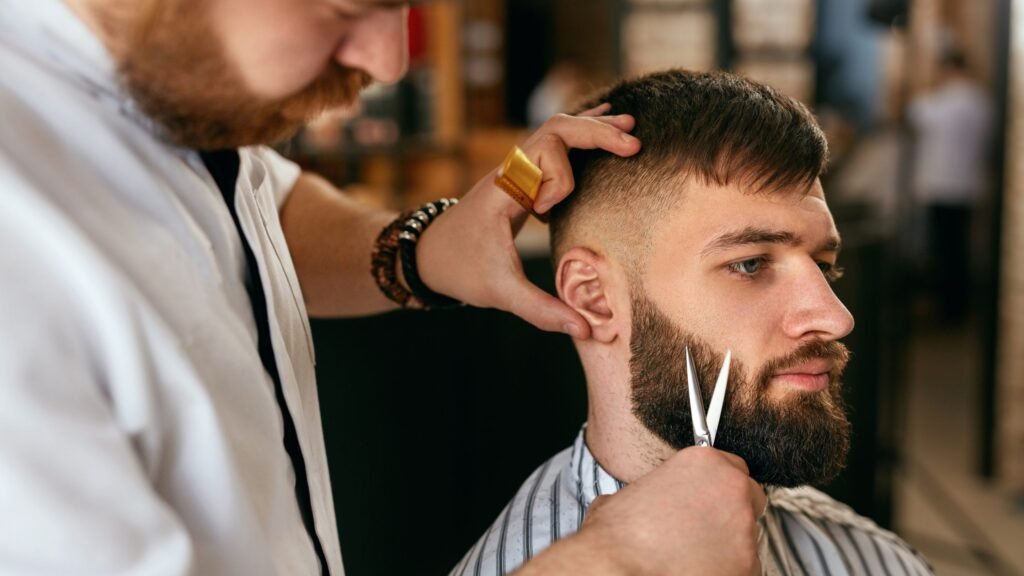
These are hand techniques where the barber uses a comb to lift and guide hair while cutting with scissors or clippers, rather than relying on clipper guards alone. This gives the barber far more control over length, texture, and blending than a guard-based cut. It’s slower and requires more skill, but it produces a more tailored, natural-looking result, particularly for fades and tapers.
Hot Towel Treatments and Their Skin Benefits
A hot towel isn’t just a comfort touch. Applied before a shave, it softens the beard hair and opens the pores, making the shave closer and reducing irritation. Applied after, a cooler towel helps close pores and calm the skin. This step is a defining feature of a proper traditional shave and one of the easiest things a modern quick-service option skips entirely.
Classic Taper and Fade Cuts vs. Modern Variations
Classic tapers and fades, built through scissor-over-comb and careful blending, tend to age better and grow out more gracefully than heavily faded modern variations that rely on multiple clipper guards for a sharp, high-contrast line. Traditional fades prioritize smooth gradation; some modern styles prioritize dramatic contrast for photos and social media, which can look great fresh but grow out awkwardly within a week or two.
| Technique | What It Is | Best For |
| Straight razor shave | Single blade, multi-pass, hot towel prep | Closest shave, sensitive skin, special occasions |
| Scissor-over-comb | Scissors guided by comb, no clipper guard | Natural, textured, low-maintenance cuts |
| Clipper-over-comb | Clippers guided by comb | Precision length control without guard lines |
| Classic taper | Gradual blend from short to long | Professional, timeless looks |
| Modern skin fade | Sharp contrast down to skin | Bold, high-maintenance styles |
The Science Behind Why These Old-School Methods Work Better
There’s more than romance behind the revival. There’s real physiology and physics backing up why these techniques hold up.
Skin and Hair Physiology — Why the Straight Razor Wins
Hair is cut most cleanly when it’s sliced by a single, extremely sharp edge at the correct angle, rather than being tugged and cut multiple times as it is with multi-blade cartridges. Dermatologists have long noted that multi-blade razors can pull hair slightly above the skin before cutting it, which contributes to ingrown hairs as the follicle retracts below the surface after the shave. A single, well-honed straight razor blade cuts the hair at the surface without that pulling action, which is a major reason traditional straight razor shaves are often recommended for men prone to razor bumps and ingrown hairs.
The Dermatology of Hot Towel and Steam Treatments
Heat causes keratin in hair to soften, making it easier to cut and reducing the force needed to shave through it. Heat also increases blood flow to the skin’s surface and opens pores temporarily, which softens the skin itself and reduces the friction-related irritation that causes razor burn. This is basic dermatological reasoning, not folklore, and it’s the entire justification for the hot towel step that traditional barbers have used for over a century.
Blade Tension, Angle, and Precision — The Physics of a Perfect Cut
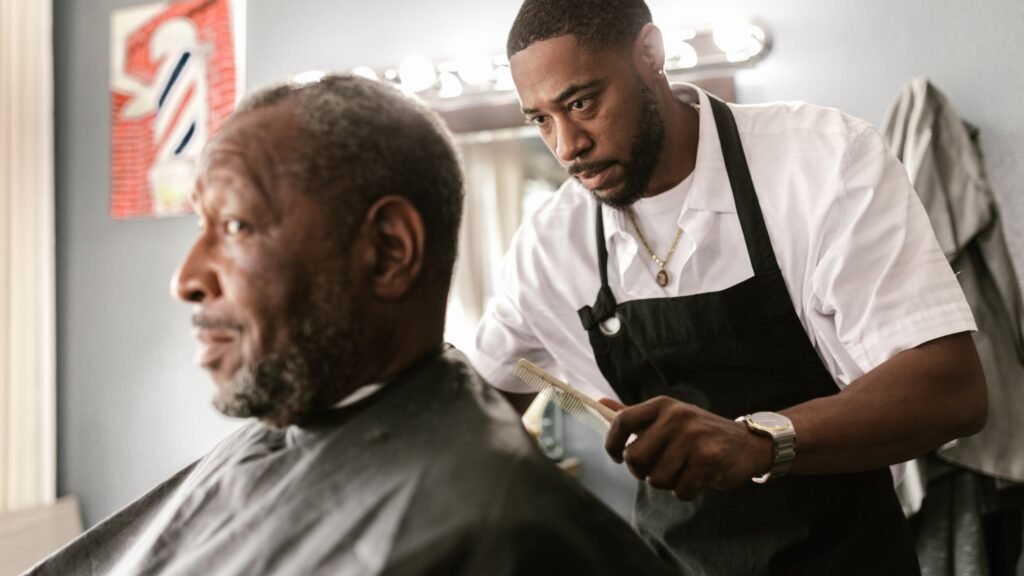
A straight razor is typically held at roughly a 30-degree angle to the skin for optimal cutting efficiency with minimal drag. Barber scissors, meanwhile, rely on blade tension, the pressure between the two blades, to cut hair cleanly rather than crushing or bending it. Poorly tensioned scissors bend hair before cutting it, leading to split ends and uneven lines, which is why quality steel and proper maintenance matter as much as raw skill.
The Cultural Reset — Masculinity, Identity, and the Barbershop
Grooming has become a lens through which a lot of men are rethinking what masculinity actually looks like day to day.
Redefining Modern Masculinity Through Grooming Rituals
For a long time, spending time and money on grooming was seen as unmasculine or vain in a lot of Western cultures. That’s shifted. Taking care of your appearance, having a regular barbering ritual, and investing in quality tools and products is increasingly framed as a form of self-respect and discipline rather than vanity. The traditional barbershop, with its unapologetically masculine aesthetic (leather chairs, dark wood, steel tools), gives men a way to embrace grooming without it feeling like a departure from traditional masculine identity.
The Barbershop as a Safe Space for Men’s Mental Health
Barbershops have increasingly been recognized as informal spaces where men open up in ways they might not elsewhere. Sitting in a chair for thirty to forty-five minutes with a barber they trust, men often talk through stress, relationships, and life changes in a low-pressure, judgment-free setting. Public health initiatives in several countries have even used barbershops as venues for men’s health screenings and mental health outreach, precisely because men already trust and return to their barbers regularly.
How Different Cultures Are Reclaiming Barbering Traditions
Black barbershops in the United States have historically served as some of the strongest examples of this community role, functioning as gathering places for political discussion, mentorship, and cultural identity for generations. Latino barbershops carry their own strong traditions around fades and precision line-ups. Immigrant communities from the Middle East and South Asia have brought their own straight razor and threading traditions into Western cities, adding new techniques to the traditional barbering revival rather than simply reviving a single Anglo-American model.
Traditional vs. Modern Techniques — An Honest Side-by-Side
Not everything modern is worse, and not everything traditional is automatically better. Here’s an honest comparison.
Straight Razor vs. Multi-Blade Cartridge Razors
| Factor | Straight Razor | Multi-Blade Cartridge |
| Closeness of shave | Excellent | Good |
| Risk of ingrown hairs | Lower | Higher |
| Skill required | High | Low |
| Time required | 20 to 40 minutes | 2 to 5 minutes |
| Cost per shave | Higher (professional) | Very low (DIY) |
| Best for | Special occasions, sensitive skin | Daily convenience |
Choose a straight razor shave if skin quality and ritual matter more to you than speed. Choose a cartridge razor if you need a fast daily shave and don’t have access to a skilled barber every day.
Hand-Cut Scissors vs. Electric Clippers for Finishing
Scissors give a softer, more natural finish and are better for textured or longer styles. Clippers are faster and better suited for short, uniform lengths and sharp fades. Most skilled traditional barbers use both, leaning on scissors for finishing detail work that clippers simply can’t replicate.
Traditional Shaving Soap vs. Canned Foam
| Factor | Traditional Shaving Soap | Canned Foam |
| Lather quality | Dense, long-lasting | Thin, fast-dissolving |
| Skin protection | Higher (natural oils/glycerin) | Lower (often synthetic) |
| Prep time | Longer | Instant |
| Cost per shave | Low over time | Low, but frequent repurchase |
| Environmental impact | Lower (less packaging waste) | Higher (aerosol cans) |
Classic Barbershop Products vs. Mass-Market Grooming Lines
Classic barbershop lines tend to prioritize simple, time-tested ingredient lists (natural oils, waxes, glycerin-based soaps) while mass-market grooming lines often prioritize shelf stability, fragrance, and marketing over ingredient quality. Neither is inherently “bad,” but traditional lines are generally gentler on skin over long-term daily use.
The Tools of the Trade — What Makes Traditional Equipment Superior
A skilled barber is only half the equation. The tools matter enormously.
Straight Razors, Strops, and Honing — The Trinity of a Perfect Shave
A quality straight razor is typically made from high-carbon steel, which holds an edge longer than stainless steel but requires more maintenance to prevent rust. The leather strop realigns the microscopic edge of the blade between shaves, while honing on a whetstone periodically restores the actual cutting edge. Skipping any part of this trinity leads to a dull blade that drags and irritates skin rather than cutting cleanly.
Barber Scissors — Weight, Balance, and Steel Quality
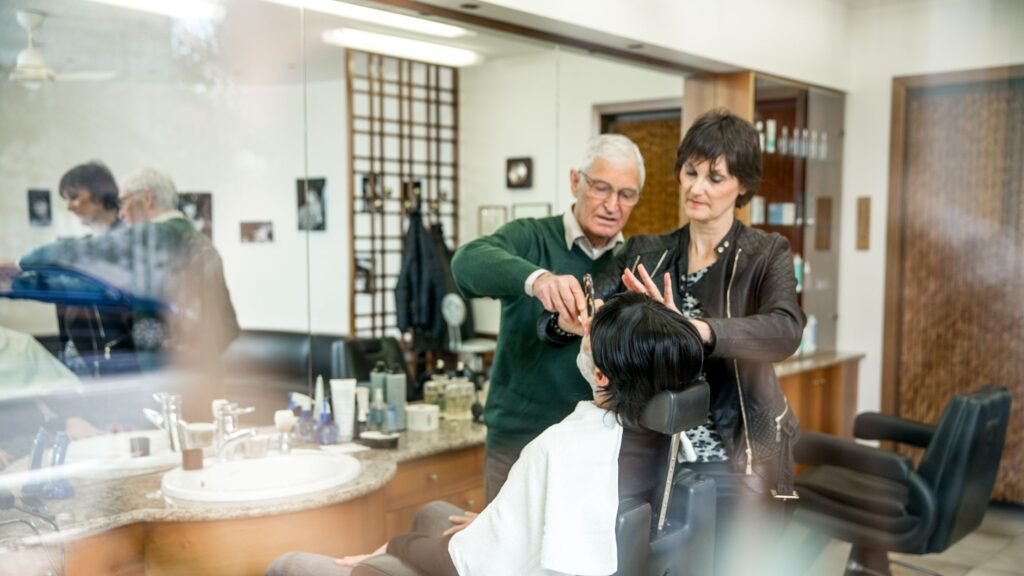
Professional barber scissors are typically forged from Japanese or German steel, prized for edge retention and precise tension control. Weight and balance matter as much as sharpness. A well-balanced pair of scissors reduces hand fatigue over a full day of cutting, which directly affects the consistency of a barber’s work by the end of a shift.
The Barber’s Chair — Engineering, Comfort, and Legacy
Classic barber chairs, often built by manufacturers with roots going back over a century, are engineered with hydraulic lifts, reclining backs, and headrests designed specifically for shaving angles. Many of these chairs are built to last decades, and it’s common to find vintage chairs from the mid-20th century still in daily use in traditional shops, a small but telling detail about the durability standards of that era compared to a lot of modern furniture.
The Business of Revival — How the Market Is Responding
The demand for traditional barbering isn’t just anecdotal. It’s reshaping the grooming industry’s business models.
Industry Growth Numbers and What They Mean
The global barbershop industry has expanded steadily over the past decade, driven largely by the premiumization of men’s grooming and rising demand for specialized, appointment-based services rather than walk-in-only salons. Market research firms tracking the men’s grooming sector have repeatedly pointed to barbershops, specifically the full-service, traditional model, as one of the fastest-growing segments within personal care services in urban and suburban markets alike.
The Rise of the Premium Barbershop Model
Premium barbershops position themselves closer to a spa or private club than a quick-service salon: membership models, bourbon or coffee served while you wait, appointment-only bookings, and price points two to four times higher than a basic chain haircut. This model works because it sells an experience, not just a service, and men have proven willing to pay for it.
Franchise vs. Independent Traditional Barbershops
| Factor | Franchise Barbershop | Independent Traditional Barbershop |
| Consistency | High across locations | Varies by shop and barber |
| Personal relationship | Lower | Higher |
| Pricing | Mid-range | Ranges from mid to premium |
| Craft specialization | Standardized training | Often deeper, individualized skill |
| Community feel | Limited | Strong |
Franchises offer predictability if you’re traveling or new to an area. Independent shops offer a deeper, more personal experience and are usually where you’ll find the most skilled traditional barbers.
Pricing, Value, and What Clients Are Willing to Pay
Traditional, full-service appointments (cut, straight razor shave, hot towel) commonly run well above the price of a basic chain haircut, and clients increasingly view that premium as justified given the time, skill, and product quality involved. Value, in this context, isn’t just about the outcome. It’s about the twenty to forty-five minutes of genuine attention that a rushed, ten-minute cut simply doesn’t offer.
Training the Next Generation of Traditional Barbers
The revival only works long-term if there are skilled barbers to sustain it, and the training landscape is shifting to catch up.
What Modern Barber Schools Are (and Aren’t) Teaching
Many standard barber programs focus heavily on passing state licensing exams, covering sanitation, basic cutting techniques, and safety, but often spend limited time on advanced skills like straight razor shaving or scissor-over-comb precision work. This gap has left a lot of newly licensed barbers technically certified but under-prepared for full traditional service.
Apprenticeships and Mentorship — The Old Way Is Making a Comeback
To close that gap, more shops are reviving formal apprenticeship models, where a new barber works under a master barber for a year or more, learning straight razor technique, scissor work, and client relationship skills firsthand rather than solely from a classroom. This mirrors the historical training model almost exactly, and shop owners increasingly see it as the only reliable way to produce barbers capable of delivering a genuinely traditional experience.
Certification, Licensing, and Elevating the Craft
Beyond standard state licensing, specialized certifications in straight razor shaving and advanced cutting techniques have emerged through private academies and barber guilds, giving barbers a way to signal advanced skill to clients beyond the baseline legal requirement to operate.
Products That Belong in a Traditional Barbershop
A great cut or shave depends heavily on what’s on the shelf behind the chair.
Pomades, Waxes, and Clays — Understanding the Difference
| Product | Hold | Finish | Best For |
| Oil-based pomade | Strong, flexible | High shine | Classic slick styles |
| Water-based pomade | Medium | Low to medium shine | Everyday styling, easy washout |
| Wax | Strong | Matte | Textured, piecey styles |
| Clay | Medium | Matte | Volume and texture without shine |
Pre-Shave Oils, Shaving Soaps, and Aftershave Balms
Pre-shave oil softens hair and creates a protective layer between blade and skin. Traditional shaving soap, worked into a lather with a badger or synthetic brush, provides more cushion and slip than canned foam. Aftershave balm, as opposed to alcohol-heavy aftershave splash, soothes and hydrates rather than stinging and drying out freshly shaved skin.
Ingredient Breakdowns — What to Look for and What to Avoid
| Look For | Avoid |
| Glycerin, natural oils (jojoba, argan) | High concentrations of denatured alcohol |
| Shea or cocoa butter | Synthetic fragrance overload |
| Aloe vera | Sodium lauryl sulfate in shaving soaps |
| Beeswax (in pomades) | Petroleum-heavy fillers with no skin benefit |
The Hot Towel Shave Experience — Step by Step
This is the signature ritual of traditional barbering, and it’s worth understanding in full.
Preparing the Skin — Cleansing, Steam, and Pre-Shave
The process starts with a cleanse to remove oil and dirt, followed by a hot towel application to soften the beard and open pores. Pre-shave oil is then applied to further protect the skin and help the razor glide smoothly.
Lathering, Mapping the Face, and the First Pass
A skilled barber lathers shaving soap into a thick cream and “maps” the face, identifying the direction of hair growth in different zones since it isn’t uniform across the jaw, neck, and cheeks. The first pass always goes with the grain, minimizing irritation while removing the bulk of the hair.
The Second Pass, Touch-Ups, and Post-Shave Care
A second pass, often across or against the grain, achieves a closer finish once the first pass has already removed most of the length. The barber finishes with a cool towel to close pores, followed by aftershave balm or lotion to calm and hydrate the skin.
Common Mistakes Barbers and Clients Make With Traditional Methods
Even the best techniques fail when rushed or misapplied.
Rushing the Ritual — Why Speed Kills Quality
Traditional techniques are inherently slower than modern shortcuts, and trying to compress them defeats the purpose. A rushed hot towel step, a rushed lather, or a rushed straight razor pass increases the risk of nicks, irritation, and an uneven finish.
Wrong Products for the Wrong Skin Types
Using a heavy oil-based pomade on oily skin and hair, or a harsh, alcohol-heavy aftershave on sensitive skin, undermines even a technically perfect shave or cut. Matching product to skin and hair type is as important as the technique itself.
Blade Maintenance Failures and How They Hurt Skin
A dull or improperly honed straight razor drags rather than cuts, causing far more irritation than a sharp blade would. Regular stropping before each use and periodic professional honing are non-negotiable, not optional extras.
Real Stories From the Chair — Barbers and Clients on the Revival
The numbers and history tell part of the story. The people living it tell the rest.
What Veteran Barbers Say About the Shift They’re Seeing
Barbers who’ve been in the trade for twenty or thirty years commonly describe a noticeable shift over the past decade: more young clients specifically requesting straight razor shaves and scissor work, and more interest in the history and technique behind a cut rather than just the end result.
Client Testimonials and the Emotional Pull of Traditional Grooming
Clients frequently describe their first proper straight razor shave as a genuinely memorable experience, distinct from the transactional feel of a quick trim. That emotional resonance, feeling looked after rather than processed, is a recurring theme in why men become repeat, loyal clients of a specific barber rather than shopping around.
Father-Son Moments and the Passing Down of Grooming Rituals
Traditional barbershops have become popular venues for father-son outings, particularly first haircuts and first shaves, treating the barbershop as a rite of passage rather than a routine errand. This generational transmission is part of what sustains the culture long-term.
Cost, Value, and Budgeting for a Traditional Barbershop Experience
Understanding what you’re paying for helps you budget wisely without overpaying for style over substance.
What You’re Actually Paying For in a Premium Barbershop
You’re paying for the barber’s years of training, the quality and maintenance of tools, premium products, and the time spent on ritual steps like hot towels and double-pass shaves that a quick-service salon skips entirely.
Breaking Down the Cost of Traditional vs. Budget Grooming
| Service | Budget Option | Traditional Barbershop |
| Basic haircut | Low cost, 10-15 minutes | Mid to high cost, 30-45 minutes |
| Shave | Rarely offered | Straight razor, 20-40 minutes |
| Hot towel treatment | Not included | Standard or add-on |
| Product used | Basic, mass-market | Premium, often barbershop-branded |
How to Find the Right Barbershop Without Overpaying
Look for shops with visible tool maintenance (strops, hones on display), barbers with apprenticeship or advanced certification backgrounds, and honest online reviews mentioning specific techniques like scissor-over-comb or straight razor shaves rather than vague praise.
The Future of Traditional Barbering — Trends, Technology, and What’s Next
Traditional doesn’t mean frozen in time. The best shops are blending old craft with smart, selective use of new tools.
How Tech Is Being Integrated Without Killing the Craft
Online booking, digital client profiles tracking preferred cut lengths and product preferences, and even AI-assisted appointment reminders are becoming standard, all while the actual hands-on technique remains untouched by automation.
Sustainability and the Return to Natural Products
Growing consumer demand for natural, biodegradable grooming products has pushed more traditional shops toward plant-based oils, refillable containers, and reduced aerosol use, aligning old-school formulations with modern environmental expectations.
Predictions for the Next Decade of Men’s Grooming
Expect continued growth in premium, appointment-based traditional barbershops, deeper integration of mental health and wellness framing around grooming, and a widening gap between quick-service chains and craft-focused shops as each serves distinctly different customer needs.
FAQs About Traditional Barbering and the Revival
Why is traditional barbering becoming popular again?
Traditional barbering is seeing a revival because of a combination of nostalgia, sensory experience, social media exposure of old-school techniques, and a broader cultural shift toward grooming as a masculine ritual rather than a chore.
Is a straight razor shave actually better than a cartridge razor?
For most men, yes, particularly for reducing ingrown hairs and irritation, because a single sharp blade cuts hair cleanly at the surface rather than pulling and cutting it multiple times like a multi-blade cartridge does.
How much does a traditional barbershop experience typically cost?
A full traditional service, including a haircut, straight razor shave, and hot towel treatment, typically costs two to four times more than a basic chain haircut, reflecting the added time, skill, and premium products involved.
Do I need to get a straight razor shave every time I visit a barber?
No. Many clients get a straight razor shave occasionally for special occasions while relying on traditional scissor and clipper cutting techniques for regular haircuts.
How do I find a good traditional barbershop near me?
Search for a haircut near me and look specifically for shops advertising straight razor shaves, hot towel treatments, and scissor-over-comb cutting, then check reviews for mentions of these specific techniques rather than generic praise.
Are traditional barbering techniques safe for sensitive skin?
Yes, and in many cases they’re gentler than modern alternatives, since single-blade razors and hot towel preparation reduce the friction and pulling that commonly irritate sensitive skin.
What should I look for in a quality barber scissor?
Look for scissors made from Japanese or German steel, with good weight balance and adjustable tension, since these factors directly affect cutting precision and comfort during longer sessions.
How long does an apprenticeship take to become a skilled traditional barber?
Apprenticeships typically run one to two years under a master barber, on top of standard barber school licensing, though true mastery of straight razor and scissor techniques often takes several more years of consistent practice.
Is traditional barbering more expensive to maintain at home?
Initial investment in quality tools and products is higher, but many items, like a straight razor or a good pair of scissors, last for years with proper maintenance, making the long-term cost comparable to or lower than repeatedly buying disposable alternatives.
Can women visit traditional barbershops for services like fades or scissor cuts?
Many traditional barbershops do welcome all clients for services like fades and scissor cuts, though it’s worth checking with a specific shop, since some maintain a men’s grooming focus as part of their brand identity.
Conclusion
Understanding the revival is one thing. Actually stepping into it is another.Search specifically for shops offering straight razor shaves and scissor work, read reviews mentioning technique by name, and don’t be afraid to book a consultation before committing to a regular appointment.Invest in a quality pre-shave oil, a traditional shaving soap and brush, and a good aftershave balm, even if you’re not shaving with a straight razor yourself. These products alone will noticeably improve your at-home routine.Ask specifically for scissor-over-comb detailing, request a hot towel step if it’s not automatically included, and don’t hesitate to ask your barber to explain their process. A confident, skilled barber will welcome the question.