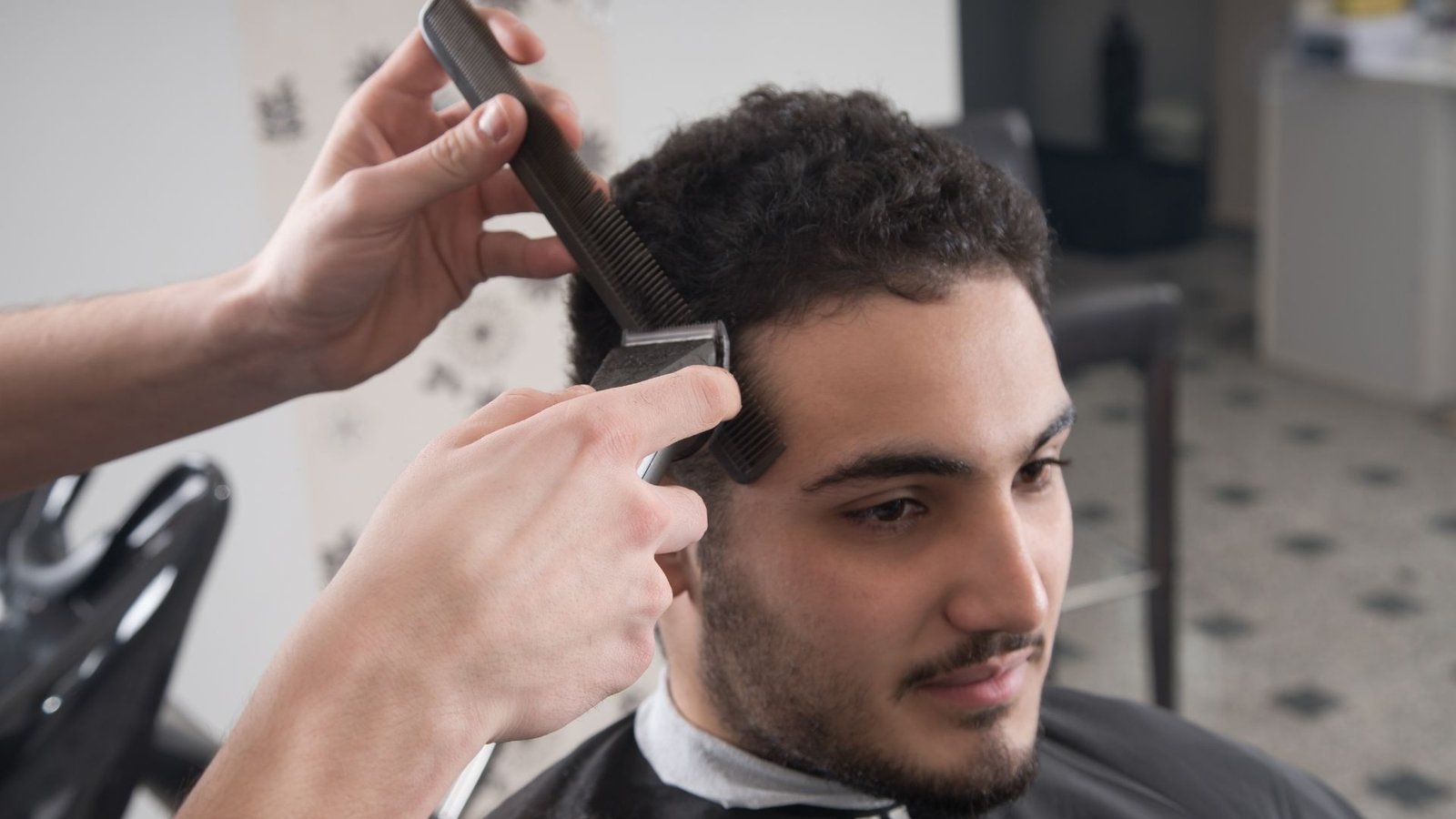
Twenty years behind the chair teaches you something the magazines never print: the haircut everyone’s asking for this month is rarely the haircut that actually looks good on the man sitting in your seat. I’ve watched trends blow through this barbershop like weather fronts. The fade gets higher, then lower. The beard gets fuller, then gone. Meanwhile, the men who walk out looking sharp year after year are usually wearing something quieter, something built around their own face and hair rather than a photo they pulled up on their phone. This piece walks through why popularity and quality aren’t the same thing, how your face shape and hair type actually decide what works, and how to talk to a barber so you leave with a cut built for you instead of a cut built for a trend.
Key Takeaways
- Popularity measures demand, not fit. A haircut trends because it photographs well or a celebrity wore it, not because it suits most face shapes or hair types.
- Face shape and hair texture do most of the deciding. The same fade looks completely different on a round face with fine, straight hair than it does on a long face with thick, curly hair.
- Maintenance is part of the haircut. A cut that needs daily styling and biweekly trims only looks good if you’re willing to put in that work. If you’re not, a lower-maintenance cut will look sharper more often.
- Trends cycle roughly every 8 to 12 years. Understanding the pattern helps you avoid chasing something that’s already fading out.
- The right conversation with your barber matters more than the right photo. Bringing in a reference image is fine, but explaining your face shape, hair type, and daily routine gets you a far better result.
What Makes a Haircut “Popular” Versus What Makes It “Right for You”
A haircut becomes popular for reasons that have almost nothing to do with whether it suits you. It spreads because a footballer wore it during a title run, because an actor debuted it at a premiere, or because it photographs well under studio lighting and ring lights. None of those reasons involve your face shape, your cowlick, or how much time you have in the morning.
Popularity Is a Social Signal, Not a Fit Test
When a style trends, what’s really happening is social proof. Men see other men wearing it and associate it with confidence, status, or good taste. That’s a powerful pull, and I don’t blame anyone for feeling it. I’ve had clients bring in a photo of an athlete’s fade and say “give me that,” without knowing the athlete has a completely different hairline and a stylist on retainer for daily upkeep. The haircut looked great on him. It doesn’t automatically translate.
The Barbershop Test: Does It Hold Up Under a Bright Light and No Product?
Here’s a test I’ve used for years. Cut the hair, style it once with product, then have the client come back in three days with no product and normal shower habits. If it still looks intentional, it’s a good cut for that person. If it collapses into a shapeless mess, the style was leaning on product and styling time to do the job the cut should’ve done. Trendy cuts often fail this test because they’re designed to look sharp in a single styled photo, not across a full week of real life.
Table: Popularity Drivers vs. Fit Drivers
| Factor | Drives Popularity | Drives Personal Fit |
| Celebrity or athlete wearing it | Yes | No |
| Matches your face shape | No | Yes |
| Works with your natural hair texture | No | Yes |
| Photographs well on social media | Yes | Sometimes |
| Low daily maintenance | No | Yes, for most men |
| Barber’s personal skill with the style | No | Yes |
| Cultural or media momentum | Yes | No |
| Suits your lifestyle and job | No | Yes |
A trend can absolutely check both boxes for some men. The problem is assuming it automatically checks the second column for everyone, including you.
Understanding why haircuts trend is only half the picture. The other half is knowing what your own head is actually working with, and that starts with face shape.
How Face Shape Changes Which Trendy Haircut Actually Works
I ask every new client to look in the mirror with me before I pick up the clippers. Not because I’m being dramatic, but because face shape is the single biggest variable in whether a popular cut is going to work on a specific person.
The Six Face Shapes Barbers Actually Use
Forget the twelve-category charts you find online. In the chair, we work with six practical shapes: oval, round, square, rectangle, diamond, and triangle. Oval is the “wildcard” shape that can wear almost anything. The other five each have specific things a cut needs to do.
Table: Face Shape and Recommended Haircut Direction
| Face Shape | Goal of the Cut | Cuts That Work Well | Cuts to Approach Carefully |
| Oval | Maintain balance | Almost any style, including current trends | Very few restrictions |
| Round | Add height, reduce width | High fade, textured quiff, angular fringe | Full buzz cut, rounded fringe |
| Square | Soften strong jawline | Textured crop, side part, slight fringe | Very short buzz with sharp lines everywhere |
| Rectangle | Add width, reduce length | Fuller sides, fringe, medium length on top | Very high fade with short sides |
| Diamond | Balance wide cheekbones | Fringe, textured top, medium length sides | Slicked back with tight sides |
| Triangle | Balance narrow forehead | Volume on top, fringe | Flat top, very short sides with long top |
Why the Same Fade Looks Different on Two Men
I once cut the same skin fade, same guard lengths, same technique, on two brothers in the same afternoon. One had a round face and the fade made his head look wider. The other had a rectangle face and the same fade elongated it in a flattering way. Identical execution, opposite results, because the geometry underneath was different. This is the part trend photos never show you. They show you the haircut on one face, and you’re left to guess whether your face works the same way.
Face shape sets the frame. Hair type and texture decide what’s physically possible within that frame, which is where a lot of trend chasing quietly falls apart.
Hair Type and Texture: The Barbershop Science Trends Ignore
A style guide can tell you what a haircut should look like. It can’t tell you what your hair will actually do once the clippers are put down and you walk out the door into humidity, wind, or a hat.
The Four Hair Texture Categories
Barbers generally sort hair into straight, wavy, curly, and coily, with density (fine, medium, thick) layered on top. A textured crop that looks effortless on wavy, medium-density hair can look completely flat on fine, straight hair, and can look like a different haircut entirely on coily hair, where the same cut technique produces a completely different silhouette due to shrinkage and curl pattern.
Table: Hair Type and How It Changes a Popular Style
| Hair Type | Natural Behavior | Effect on Trendy Textured Crop | Effect on Slick Back | Effect on Buzz Cut |
| Fine, straight | Lies flat, low volume | Needs product to fake texture | Holds well, classic look | Shows scalp more, very clean |
| Thick, straight | Holds shape, some volume | Works naturally | Can look heavy without thinning | Full, dense look |
| Wavy | Natural movement | Ideal match | Needs strong hold product | Waves still visible at very short lengths |
| Curly | High volume, shrinkage | Can look great but needs curl-specific cutting | Difficult, frizzes quickly | Curl pattern shows as texture, not smoothness |
| Coily | Significant shrinkage, tight curl | Requires specialized technique | Not recommended without heavy product | Very defined, textured look |
Why “Bring a Photo” Only Gets You Halfway There
I welcome reference photos. They help me understand what a client likes. But a photo of a men’s magazine model with thick, wavy hair doesn’t translate directly onto fine, straight hair without adjustment. A good barber takes the photo as a direction, not a blueprint, and adjusts the technique, the guard lengths, and sometimes the entire structure of the cut to work with what’s actually growing out of your head.
When Hair Type Overrules the Trend Entirely
Sometimes the honest answer is that a trending style simply won’t work well with a client’s natural texture, at least not without daily styling time most men aren’t willing to spend. In those cases, I’ll say so directly. Not to talk someone out of what they want, but because a haircut that fights your hair type every single morning isn’t doing you any favors, no matter how many people are wearing it this year.
Face shape and hair texture are physical facts you can’t change. Maintenance is a choice, and it’s the next place trend chasing quietly costs men more than they expect.
Lifestyle and Maintenance: Why the High-Maintenance Trend Fails Most Men
Every haircut has an unspoken cost attached to it, measured in minutes per morning and dollars per month. Trend photos never show that price tag.
The True Maintenance Cost of Popular Cuts
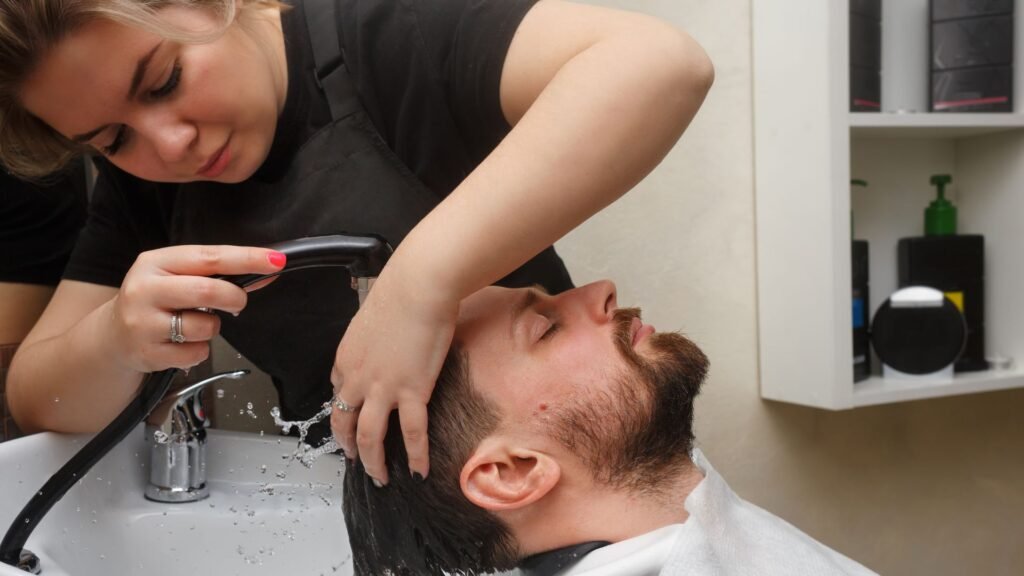
A sharp skin fade needs a trim roughly every two to three weeks to stay clean, according to most barbershop scheduling patterns I’ve tracked over the years. A textured crop with a hard part needs daily product and often a blow dryer. A longer, styled top needs both a trim schedule and a morning routine. None of these are bad haircuts. They’re just haircuts that assume a certain amount of upkeep, and if that upkeep doesn’t match your actual life, the cut degrades fast and starts working against you instead of for you.
Table: Maintenance Demands by Popular Style
| Style | Trim Frequency | Daily Styling Time | Product Needed | Best Fit For |
| Skin fade | Every 2 to 3 weeks | 2 to 5 minutes | Light pomade or clay | Men with regular barbershop access |
| Textured crop | Every 4 to 6 weeks | 5 to 10 minutes | Matte paste, sometimes dryer | Men comfortable with daily styling |
| Slicked back | Every 4 to 6 weeks | 3 to 7 minutes | Strong hold pomade | Office and formal settings |
| Buzz cut | Every 2 to 4 weeks | Under 1 minute | None or light oil | Active lifestyles, low routine time |
| Long top with undercut | Every 6 to 8 weeks | 5 to 15 minutes | Cream, wax, sometimes dryer | Men who enjoy styling as a routine |
A vs. B: Skin Fade vs. Buzz Cut for a Busy Schedule
If your mornings are tight and you want something that looks intentional with zero styling, the buzz cut wins outright. If you have five spare minutes and like a sharper, more defined look, the skin fade wins, provided you can commit to the shorter trim cycle. Neither is objectively better. The right one depends entirely on your calendar, not on which one is trending on your feed this month.
Matching the Cut to the Man, Not the Moment
I’ve had clients insist on a high-maintenance style right before a long work trip or a new baby at home, and I’ll gently push back. Not because the style is wrong, but because timing matters. A haircut that needs constant upkeep during a season of your life when you have none to give will look worse in six weeks than a simpler cut would have looked the whole time.
Maintenance decides whether a trend fits your week. History explains why these trends show up in the first place, and why they never really disappear for good.
A Short History of Men’s Haircut Trends (and Why They Cycle)
Every barber eventually notices the same thing. Styles don’t really die. They rotate out, sit in storage for a decade, then come back with a new name and a slightly different execution.
The Repeating Pattern of Men’s Hair Trends
The slicked back pompadour dominated the 1950s, faded through the 1970s and 80s in favor of longer, looser styles, and then returned in a modernized form in the 2010s. The high-and-tight military cut has resurfaced in different forms roughly every twenty years since World War II. Fades themselves trace back through decades of barbershop culture before becoming the dominant mainstream style of the 2010s and 2020s.
Table: Men’s Haircut Trend Timeline
| Decade | Dominant Style | Cultural Driver |
| 1950s | Pompadour, slicked back | Rock and roll, film stars |
| 1960s | Longer, natural styles | Counterculture movements |
| 1970s | Shag, longer layered cuts | Rock music, casual fashion |
| 1980s | Mullet, permed styles | Music television, bold fashion |
| 1990s | Curtained fringe, buzz cuts | Boy bands, grunge |
| 2000s | Spiked, gelled styles | Pop culture, styling product boom |
| 2010s | Skin fade, undercut | Social media, athlete influence |
| 2020s | Textured crop, low fade | Short-form video, streaming culture |
Why Trends Cycle Instead of Disappearing
Cultural nostalgia plays a role. So does simple boredom. A generation grows up watching their fathers wear a certain style, associates it with being dated, and avoids it, only for the next generation to rediscover it as fresh because they never lived through its first run. Barbershop conversations I’ve had with clients in their fifties often circle back to “this is basically what I wore in high school,” and they’re usually right.
What History Teaches You About Chasing Trends
If a style cycles back every one to two decades, chasing whatever’s hot right now means you’re really just borrowing something that will look dated again eventually, on a timeline you don’t control. A style chosen for your face shape and hair type doesn’t have that expiration date. It might fall out of mainstream fashion, but it won’t stop looking correct on your head, because it was never dependent on the calendar in the first place.
History shows trends repeat. The next section puts trendy and timeless side by side so you can see the tradeoffs directly.
Popular Haircuts vs. Timeless Haircuts: A Side-by-Side Comparison
Not every timeless cut is boring, and not every trendy cut is shallow. But they do behave differently over the life of the haircut, and it’s worth seeing that difference laid out plainly.
Defining “Timeless” in a Barbershop Sense
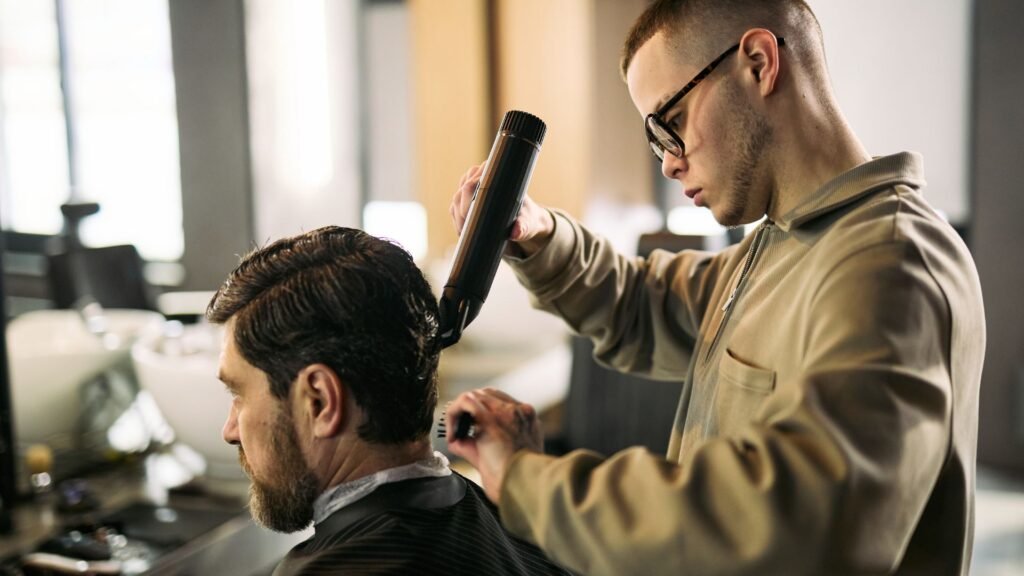
A timeless cut is one that’s been in continuous rotation for at least fifty years without needing reinvention: the classic side part, the crew cut, the standard taper. These cuts survive because they work with a wide range of face shapes and hair types, not because they’re exciting.
Table: Trendy vs. Timeless Haircuts Compared
| Category | Trendy Cut (e.g., textured crop) | Timeless Cut (e.g., classic taper) |
| Visual impact | High, especially styled | Moderate, consistent |
| Face shape flexibility | Narrow, works best on specific shapes | Broad, works on most shapes |
| Hair type flexibility | Narrow, favors wavy or thick hair | Broad, works on most textures |
| Maintenance | Moderate to high | Low to moderate |
| Longevity of the look | 5 to 10 years before it reads as dated | Decades without reading as dated |
| Formality range | Casual to smart-casual | Casual to formal |
| Cost of upkeep over a year | Higher, frequent trims and product | Lower, simpler trims |
A vs. B: Textured Crop vs. Classic Taper for a First Job Interview
For a corporate interview, the classic taper wins almost every time. It reads as put-together across every industry, needs no styling to look finished, and won’t distract an interviewer who might have opinions about trend-driven looks. The textured crop can absolutely work in creative industries, but it’s a narrower bet. When you don’t know your audience, the timeless option is the safer, sharper choice.
When Trendy and Timeless Overlap
Some cuts manage to be both. The low skin fade with a classic side part on top has trended hard over the past decade while also functioning as a fundamentally timeless shape underneath the trendy execution. That overlap is worth looking for. You get the current relevance without fully betting on something that could look dated in five years.
Seeing the two side by side is useful, but none of it matters if you can’t communicate it clearly to the person holding the clippers. That’s next.
How to Talk to Your Barber So You Get the Right Cut, Not Just the Trending One
I’ve had thousands of consultations, and the ones that go well share a pattern. The client isn’t just naming a style. They’re describing their face, their hair, and their week.
What to Actually Say in the Chair
Instead of “give me what he’s got,” try describing your goals: how short you want the sides, how much length you want to keep on top, how much time you spend styling in the morning, and whether you’re growing anything out. A good barber, hearing that, can steer a trending style toward something that fits you specifically, even if the end result looks a little different from the photo.
Questions Worth Asking Your Barber
- “Does this style work with my face shape, or should we adjust it?”
- “How often will I need to come back to keep this looking sharp?”
- “What product will I need, and how do I use it?”
- “Is there a version of this that needs less daily styling?”
Table: What to Bring vs. What to Say
| Bring This | Say This |
| A reference photo | “Here’s the general idea I like” |
| A photo of your current cut | “This is what’s growing out right now” |
| Nothing but a description | “I want something low maintenance for work” |
Trusting Barbershop Experience Over a Screenshot
A screenshot is a starting point, not a contract. Barbers who’ve spent years cutting hair, at this barbershop and others, have seen thousands of face shapes and texture combinations, and that experience is worth leaning on. If your barber suggests an adjustment to the trend you brought in, it’s usually because they’ve already seen that exact style fail on a similar head and want to save you the redo.
Talking through the cut gets you the right result for yourself. The next section covers a version of this conversation a lot of men have on someone else’s behalf: their sons.
Fatherhood and Kids’ Haircuts: Choosing for Sons, Not Social Media
A good number of the men in my chair aren’t just deciding for themselves. They’re deciding for a kid who has opinions of his own and a phone full of ideas about what looks cool.
Why Kids Ask for the Same Trends Adults Do
Kids absorb trends from the same sources adults do now: short-form video, favorite athletes, older siblings. A eight-year-old asking for a high fade with a hard part isn’t being unreasonable, he’s doing exactly what every generation of kids has done, copying what looks impressive to him.
Balancing a Kid’s Request With What Actually Works
The same face shape and hair type rules apply to children, with one added variable: their hair is still developing, cowlicks and growth patterns can shift through adolescence, and a style that requires heavy daily maintenance is a tough ask for a kid who isn’t managing his own morning routine yet.
Table: Kid-Friendly Adaptations of Popular Styles
| Requested Trend | Adult Version Maintenance | Kid-Friendly Adaptation |
| Skin fade | High, 2 to 3 week trims | Slightly longer fade, 4 week trims |
| Textured crop | Daily styling required | Simplified crop, minimal product |
| Long top with undercut | Regular styling and product | Medium length, wash and go |
Making the Barbershop Visit a Good Experience
Part of the job as a father, and part of my job as a barber, is making the barbershop trip feel collaborative rather than dictated. I’ll usually let a kid describe what he wants, then explain gently why we might adjust it, the same conversation I’d have with an adult client. It teaches him that a haircut is a decision made with information, not just a copy-paste of whatever’s popular that week.
Choosing wisely for someone else takes the same principles as choosing for yourself. Sometimes, though, the trend really is the right call, and it’s worth knowing when.
When a Trend Actually Is the Right Call
None of this is an argument against trendy haircuts. Plenty of them are genuinely excellent, and dismissing every popular style out of stubbornness is its own kind of mistake.
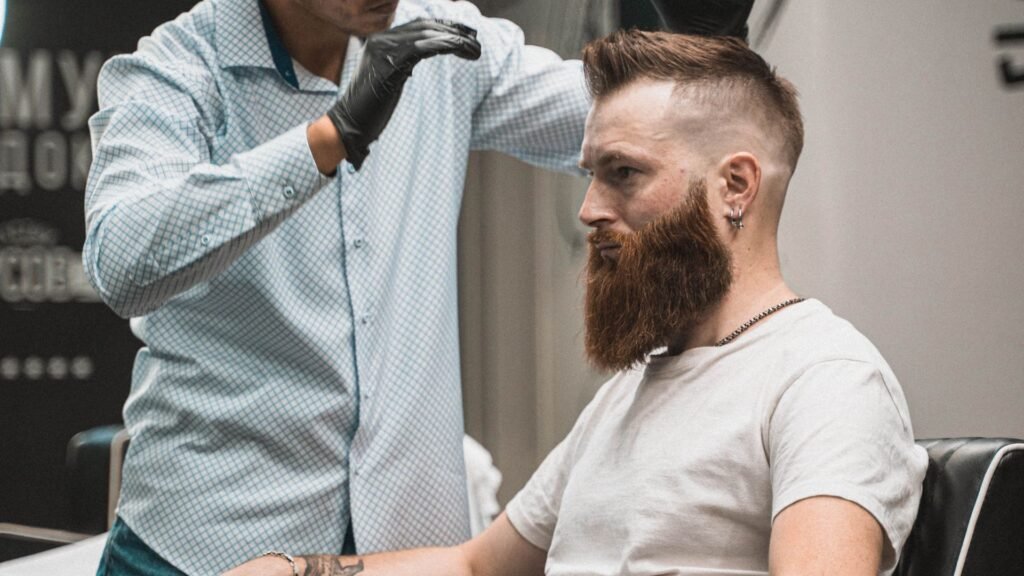
Signs a Trending Cut Is Actually Right for You
If a trending style happens to suit your face shape, works with your natural hair texture without a fight, and matches the maintenance level you’re realistically willing to commit to, there’s no reason to avoid it just because it’s popular. Popularity and personal fit aren’t mutually exclusive, they just aren’t automatically the same thing.
The Confidence Factor
There’s also a psychological piece worth naming honestly. A man who feels sharp and current in a trending cut often carries himself better, and that confidence is part of how a haircut reads to other people. If a trend genuinely makes you feel good and it checks the fit and maintenance boxes, that confidence is a real, legitimate reason to choose it.
Table: Quick Self-Check Before Choosing a Trendy Style
| Question | If Yes | If No |
| Does it suit my face shape? | Good sign | Ask your barber for an adjusted version |
| Does it work with my hair texture? | Good sign | Consider a modified take on the trend |
| Can I realistically maintain it? | Good sign | Consider a lower-maintenance alternative |
| Do I actually like it, or just the idea of it? | Good sign | Sit with the decision a little longer |
Frequently Asked Questions
How do I know what haircut actually suits my face shape?
Stand in front of a mirror and look at the width of your forehead, cheekbones, and jaw relative to the length of your face. A round face benefits from added height and angular lines, a square face benefits from softened edges, and an oval face has the most flexibility. A barber can confirm this in seconds during a consultation, so ask directly rather than guessing.
Why did my haircut look great in the barbershop but bad two days later?
Most cuts are styled with product right after cutting, which can hide flaws or reliance on styling. If a cut needs product and time every single day to look intentional, that’s normal for higher-maintenance styles, but it also means the style depends on your daily routine, not just the haircut itself.
Is it worth paying more for a specialist Haircut to Shave service at a barbershop?
A combined Haircut to Shave service, where the haircut is paired with a straight razor shave and hot towel finish, tends to cost more but gives a more complete, polished result for events, interviews, or simply treating yourself. It’s worth it when you want a full, classic barbershop experience rather than a quick trim.
How often should I get a haircut to maintain a trending style?
Most trending styles, particularly fades and textured crops, need a trim every two to four weeks to hold their shape. Lower-maintenance and timeless cuts can often stretch to six or eight weeks without losing their structure.
Can curly or coily hair pull off the same trends as straight hair?
Yes, but usually with an adjusted cutting technique. A barber experienced with curl patterns will cut with the natural shrinkage and curl direction in mind, which often changes the exact guard lengths and layering compared to how the same style is cut on straight hair.
What should I do if I regret a trendy haircut?
Most haircuts grow out within four to eight weeks, and a skilled barber can often adjust a trending style into something closer to timeless during that regrowth period. Bring your concerns to your next appointment and describe specifically what felt wrong, too short, too much upkeep, doesn’t suit your face, so your barber can correct course.
How do I find a good barbershop near me if I’m new to an area?
Look for a barbershop near me with barbers who ask questions about your face shape, hair type, and lifestyle during the consultation rather than just asking which photo you want to copy. Reviews mentioning consistency over multiple visits are usually a better signal than photos of a single dramatic transformation.
Should I choose a haircut based on my job, my personal style, or current trends?
Ideally all three inform the decision, but if they conflict, prioritize your job and daily maintenance capacity first, since those constraints are the least flexible. Personal style and trend awareness can then guide the details within those boundaries.
Conclusion
After two decades of cutting hair, the pattern is consistent enough that I’d bet on it every time. The men who leave this chair looking sharp for years, not just for one photo, are the ones who picked a cut based on their own face, their own hair, and their own week, and let trends inform rather than dictate that decision. A trending style can absolutely be the right style. It just needs to earn that place the same way any other haircut does, by actually working for you specifically. Next time you sit down in the chair, skip the photo for a minute and start with a conversation instead. Tell your barber about your face, your hair, and your mornings. The haircut that comes out of that conversation will outlast whatever’s trending by the time you’re due for your next trim.