Introduction
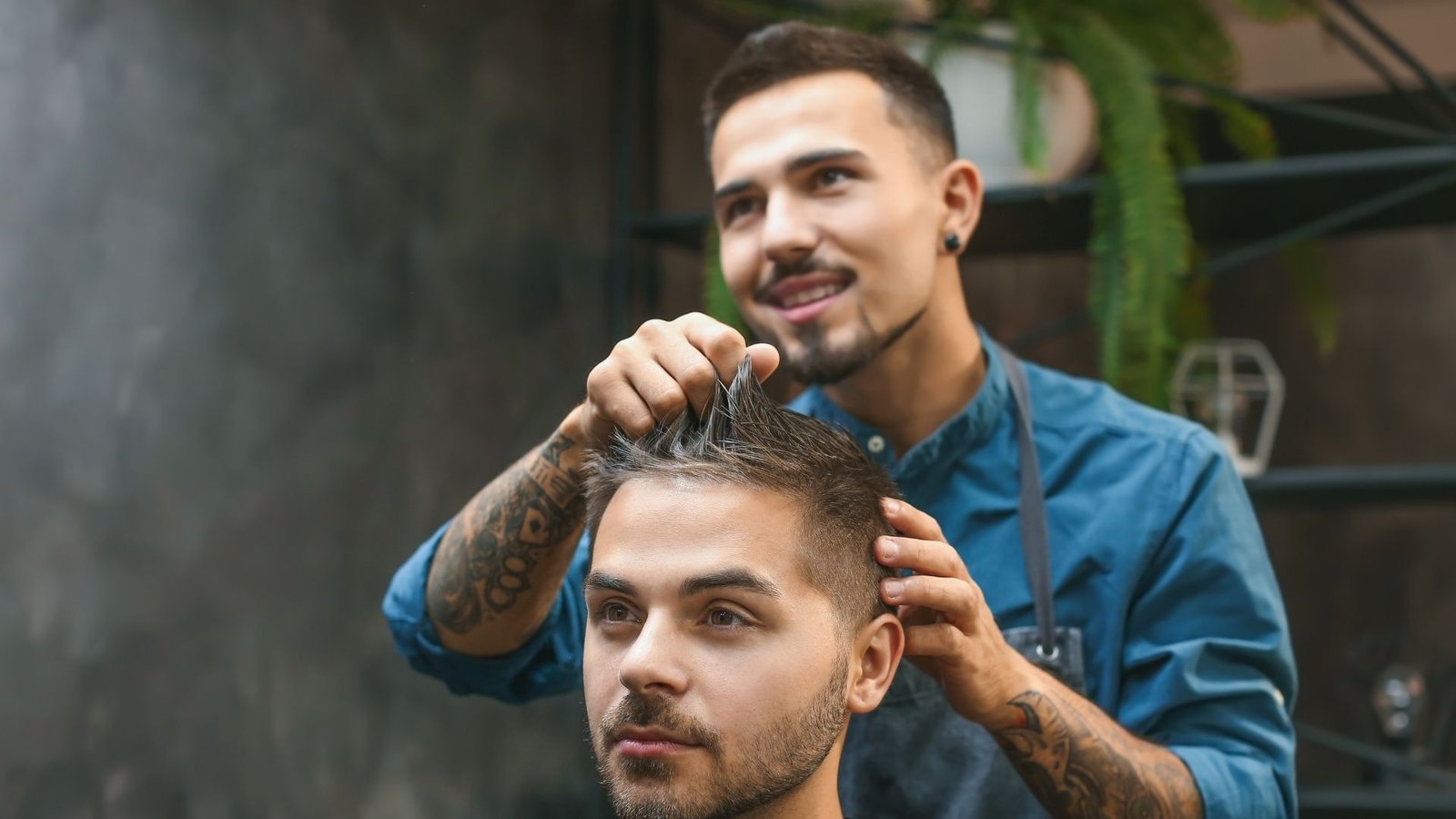
A good haircut starts long before the clippers turn on. It starts with trust, the kind you build with a barber who listens, who remembers how you like your fade, and who tells you the truth when a style won’t work for your hair type. Finding that person, and that shop, takes more than picking the closest storefront with an open chair.
Men walk into barbershops for more than a trim. They walk in for consistency, for a few minutes of conversation, and for the confidence that comes from knowing they will leave looking sharp. When that trust is missing, every visit feels like a gamble. You sit down unsure if you will get the cut you asked for or something you will have to fix in two weeks.
This guide breaks down exactly how to find, vet, and keep a barbershop worth your time and money. We will cover the history behind the barber chair, what trust actually looks like in practice, how to research shops before you book, what to notice the second you walk in, and how to build a relationship that pays off for years. Whether you are booking for yourself, your son, or picking a gift certificate for a friend, this is the playbook.
Historical & Cultural Background of the Barbershop
Where the Modern Barbershop Came From
Barbering is one of the oldest trades in recorded history. Ancient Egyptian barbers used bronze razors as early as 3000 BCE, and barbershops in ancient Greece and Rome became gathering spots where men debated politics and sport while getting a shave. The barber pole, with its red and white stripes, traces back to medieval Europe when barbers also performed bloodletting and minor surgery alongside haircuts. The red represented blood, the white represented bandages.
By the 19th and 20th centuries, the barbershop had shed its surgical roots and become a neighborhood institution. In the United States, Black-owned barbershops in particular became cornerstones of community life, serving as safe spaces for conversation, mentorship, and business long before that role was widely recognized in mainstream culture.
Why the Barbershop Still Matters Today
The barbershop has survived chain salons, at-home clipper kits, and a pandemic that forced closures nationwide. It survived because it offers something a bottle of clippers cannot: skilled hands, a second opinion on your hairline, and a few minutes where someone is focused entirely on you. Understanding this history helps explain why trust matters so much here. You are not just paying for a service. You are stepping into a tradition built on relationships.
What “Trustworthy” Actually Means in a Barbershop Context
Skill, Consistency, and Communication
A trustworthy barbershop delivers on three fronts every time: skill, consistency, and communication. Skill means the barber can execute the cut you want, not just the cut they are comfortable giving. Consistency means your fade looks the same in week six as it did in week one, cut by the same hand or a shop with strong standards across every chair. Communication means your barber asks questions before cutting and tells you honestly if a request will not suit your hair texture or face shape.
Hygiene and Professionalism
Trust also lives in the details you might not think about until something goes wrong. Clean combs, disinfected clippers, fresh razors for every client, and a barber who washes their hands between clients all signal a shop that takes health seriously. According to the National Barber Board standards adopted in most U.S. states, tools must be sanitized between each use, and a trustworthy shop will not treat this as optional.
Table: Signs of a Trustworthy Shop vs. a Risky One
| Category | Trustworthy Shop | Risky Shop |
| Tool hygiene | Sanitizing jars visible, tools wiped between clients | Combs and clippers reused without cleaning |
| Communication | Barber asks about your goals before cutting | Barber starts cutting without discussion |
| Consistency | Same quality cut every visit | Quality varies by day or by barber |
| Pricing | Prices posted or clearly stated upfront | Vague pricing, surprises at checkout |
| Licensing | Barbers visibly licensed, license displayed | No licensing information available |
| Reviews | Majority positive, specific detail in reviews | Sparse, generic, or suspiciously uniform reviews |
| Booking | Easy to book, shows respect for your time | Chronic no-shows or long unexplained waits |
| Aftercare | Offers product advice and maintenance tips | No guidance after the cut |
How to Research and Vet a Barbershop Before You Go
Start With Reviews, But Read Them Critically
Star ratings alone tell you very little. A shop with 4.5 stars and 30 reviews is not automatically better than one with 4.2 stars and 400 reviews. Read the actual text. Look for specific details: mentions of a particular barber’s name, comments about wait times, or notes about how a fade held up after two weeks. Vague five-star reviews with no detail can sometimes be padded, while a mix of glowing and mildly critical reviews often signals authenticity.
Check Licensing and Credentials
In the United States, barbers must hold a state license, which typically requires completing barber school hours and passing a state board exam. You can often verify a barber’s license through your state’s cosmetology or barbering board website. A shop that proudly displays licenses on the wall, or one whose barbers can answer questions about their training without hesitation, is signaling confidence in their credentials.
Ask People You Already Trust
Word of mouth remains one of the most reliable filters available. Ask coworkers, especially ones whose haircuts you already admire, where they go. Ask your gym buddy, your barber-obsessed cousin, or your kid’s baseball coach. A referral from someone whose taste you respect carries more weight than an algorithm-sorted list of nearby shops.
Table: Research Channels Ranked by Reliability
| Research Channel | Reliability Level | Best Use Case |
| Personal referral | High | First choice if available |
| Detailed online reviews | Medium-High | Cross-check against referrals |
| Social media portfolio (Instagram, TikTok) | Medium | Judge specific barber’s skill and style range |
| Star rating alone | Low | Use only as a rough filter |
| Walk-in cold search | Low | Last resort, verify in person |
Look at the Shop’s Social Media Portfolio
Many barbers now post before-and-after photos and short cutting videos on Instagram or TikTok. This is one of the most useful vetting tools available because it shows you actual work, not just claims. Look for a range of hair types and styles in the portfolio, not just one signature look repeated over and over. A barber who only posts fades on straight hair may struggle with curly or coily textures.
Reading the Room, What to Notice When You Walk In
First Impressions That Matter
The moment you step through the door tells you a lot. Notice whether the front desk or first barber greets you promptly. Notice the smell, a clean shop smells like rubbing alcohol and aftershave, not stale towels. Notice the floor, hair should be swept regularly between clients, not piled up from three cuts ago.
Watch How Barbers Treat Current Clients
Before you sit down, watch an ongoing cut if you can. Is the barber engaged, checking angles, using a mirror to show the client progress? Or are they rushing, distracted by their phone, or cutting on autopilot? This five-minute observation window is one of the best free vetting tools you have.
Listen to the Shop’s Rhythm
A well-run shop has an audible rhythm: clippers buzzing, light conversation, the occasional laugh. A shop that feels tense, silent, or chaotic with overbooking is worth a second look before you commit long-term.
How to Evaluate Your Barber Directly
The Consultation Conversation
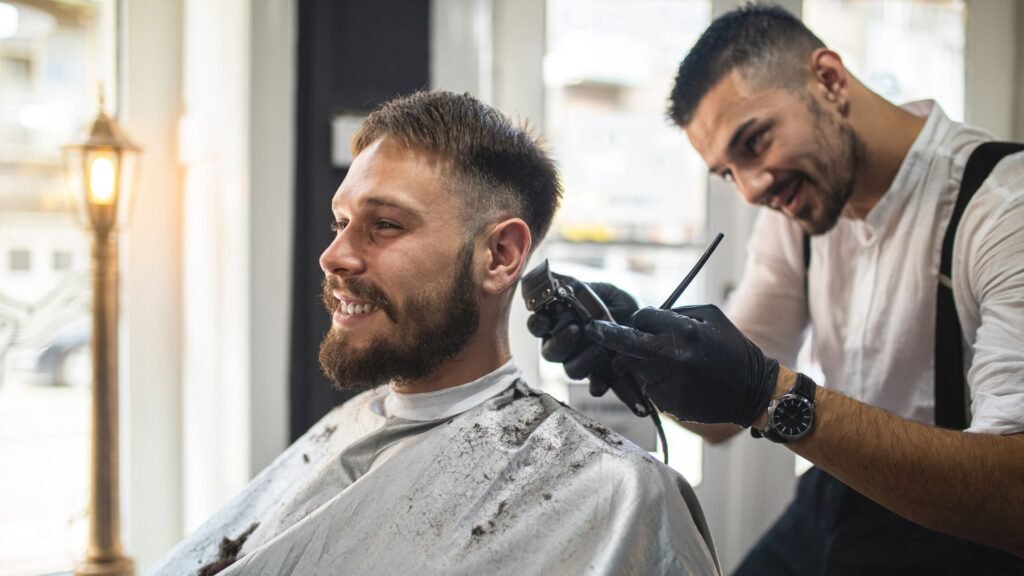
Before any cutting starts, a good barber will ask about your goals. What do you do for work? How much time do you spend styling in the morning? Do you want low maintenance or are you willing to put in effort daily? These questions show the barber is thinking about your lifestyle, not just executing a generic template.
Questions to Ask Your Barber
Consider asking these to gauge experience and honesty:
- How long have you been cutting hair professionally?
- Have you worked with hair like mine before?
- What would you recommend based on my face shape and hair growth pattern?
- How should I maintain this style between visits?
- What products do you recommend for my hair type?
Table: Barber Evaluation Scorecard
| Criteria | What to Look For | Red Flag |
| Consultation | Asks about goals, lifestyle, hair history | Skips straight to cutting |
| Technique | Uses guards correctly, checks symmetry with mirror | Rushes, no mirror checks |
| Honesty | Tells you if a style will not work well | Agrees to everything without pushback |
| Cleanliness | Sanitizes tools in front of you | No visible sanitizing |
| Aftercare advice | Explains how to maintain the cut at home | Sends you out with no guidance |
| Confidence | Explains their reasoning clearly | Vague or dismissive answers |
Services, Pricing & What Fair Value Looks Like
Understanding What You Are Paying For
A haircut’s sharp price reflects more than the number of minutes in the chair. It reflects the barber’s training, the shop’s location and overhead, the quality of products used, and the experience surrounding the service, hot towel, neck shave, styling advice. According to the U.S. Bureau of Labor Statistics, median pay for barbers in the United States was approximately $16.05 per hour as of May 2023, which helps explain why shops in high cost-of-living areas often charge more without necessarily offering better service, and why a bargain-priced cut is not automatically a red flag.
What Fair Pricing Looks Like by Service Type
Table: Typical Service and Price Ranges (U.S. Averages)
| Service | Typical Price Range | Notes |
| Basic haircut | $20 to $45 | Varies heavily by region |
| Haircut with beard trim | $30 to $60 | Combo pricing often discounted |
| Skin fade or design cut | $35 to $70 | Higher due to precision and time |
| Kids haircut | $15 to $30 | Often shorter appointment times |
| Hot towel shave | $25 to $50 | Add-on or standalone service |
| Gray blending or color | $40 to $90 | Depends on product and technique |
Spotting Overpriced or Underpriced Red Flags
A price far below the local average may mean a rushed cut or an inexperienced barber still building a client base, which is not always bad if you are willing to be patient while they learn. A price far above the local average should come with a clear reason, master barber status, premium products, or an especially long, detailed appointment. If neither the shop nor the barber can explain the premium, be cautious.
Common Red Flags to Walk Away From
Behavioral Red Flags
Watch for barbers who seem irritated by questions, who rush through the consultation, or who dismiss your input entirely. A barber who says “trust me” without explaining their reasoning is not necessarily wrong, but it should not be the only answer you get.
Environmental Red Flags
Unsanitized tools, overflowing trash, and a strong smell of mildew are not minor issues. They are direct signals about how seriously the shop treats hygiene, which matters both for your health and your comfort.
Table: Red Flags and What They Usually Mean
| Red Flag | What It Usually Signals |
| Reused, uncleaned tools | Poor hygiene standards |
| No consultation before cutting | Lack of personalization |
| Wildly inconsistent reviews | Inconsistent quality across barbers |
| Pressure to buy add-on products | Commission-driven upselling over care |
| Chronic double-booking and long waits | Poor shop management |
| Barber dismisses your questions | Lack of communication or confidence in skill |
| No visible licensing | Possible unlicensed operation |
Special Considerations, Hair Types, Skin, Kids, and Hair Loss
Curly, Coily, and Textured Hair
Not every barber has equal experience across all hair textures. If you have curly or coily hair, ask directly whether the barber has trained specifically in cutting textured hair, since technique changes significantly compared to straight hair. Look for portfolio photos that match your texture before booking.
Sensitive Skin and Razor Considerations
If you have sensitive skin or a history of ingrown hairs, mention it during the consultation. A trustworthy barber will adjust their razor technique, recommend against certain close shaves, or suggest specific aftercare products like a gentle aftershave balm instead of alcohol-heavy tonics.
Cutting for Kids
Booking for a son or younger family member requires a different kind of trust. Look for shops that specifically advertise kid-friendly service, patience with wiggly clients, and a calm environment. Ask if the shop offers a first-haircut package, many do, and it can make the experience memorable rather than stressful.
Hair Loss and Thinning
For men managing thinning hair or early hair loss, a skilled barber can make a real visual difference through strategic length and texture choices. Look for a barber willing to have an honest conversation about what styles will and will not help, rather than one who avoids the topic altogether.
Table: Special Consideration Quick Reference
| Consideration | What to Ask For | What to Avoid |
| Curly or coily hair | Texture-specific training, dry cutting experience | One-size-fits-all fade techniques |
| Sensitive skin | Gentle razor technique, soothing aftercare | Heavy alcohol tonics without discussion |
| Kids | Patience, kid-friendly environment | Rushed, impatient handling |
| Thinning hair | Honest styling advice for volume and texture | Avoidance of the topic entirely |
Building a Long-Term Relationship With Your Barber
Why Consistency Compounds Over Time
The first cut with a new barber is always a bit of a trial run. By the third or fourth visit, a good barber has learned your hair’s growth pattern, your cowlicks, and your preferences well enough that appointments get faster and results get better. This is why many men stick with one barber for years, sometimes decades, even after moving across town.
How to Communicate Better Over Time
Bring reference photos in the early visits, but as trust builds, you can shift to simpler shorthand: “same as last time” or “little shorter on top.” This shorthand only works because of a relationship built on repeated, honest feedback in both directions.
Tipping and Loyalty Norms
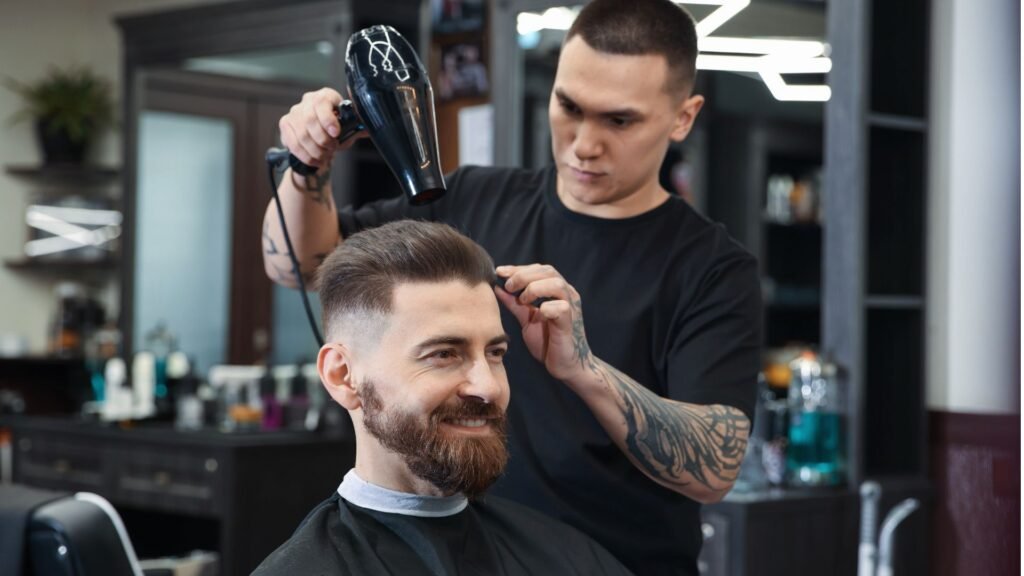
Standard tipping for barbers in the United States generally runs between 15 and 20 percent, similar to other personal service industries, with many regulars tipping toward the higher end for barbers they see consistently. Booking the same time slot regularly, referring friends, and giving direct feedback when something is off are all ways to strengthen the relationship beyond just showing up.
Comparisons & Decision Guides
Table: Barbershop vs. Hair Salon
| Factor | Barbershop | Hair Salon |
| Specialization | Men’s cuts, fades, beard work | Broader range, often color and styling focused |
| Atmosphere | Casual, often social | Varies, sometimes more formal |
| Pricing | Generally lower for basic cuts | Often higher, especially for color services |
| Tools and techniques | Clippers, razors, fade precision | Scissors, layering, chemical services |
| Choose this if | You want fades, beard work, classic cuts | You want color, complex layering, or chemical treatments |
Table: Chain Salon vs. Independent Barbershop
| Factor | Chain Salon | Independent Barbershop |
| Consistency across visits | Varies by stylist on duty | Often stronger if you book the same barber |
| Personal relationship | Limited | Typically stronger over time |
| Pricing | Often lower, standardized | Varies, sometimes premium for skill |
| Booking flexibility | Walk-ins common | Appointments often required for top barbers |
| Choose this if | You need convenience and speed | You want a long-term relationship and consistency |
Table: Walk-In Shop vs. Appointment-Only Shop
| Factor | Walk-In Shop | Appointment-Only Shop |
| Wait times | Unpredictable | Minimal if on time |
| Barber choice | Whoever is available | You choose and build with one barber |
| Best for | Quick, simple cuts | Detailed, customized styles |
Table: Solo Barber vs. Multi-Chair Shop
| Factor | Solo Barber | Multi-Chair Shop |
| Personal attention | Very high | High, but split across clients |
| Availability | Limited to their schedule | More flexible, other barbers as backup |
| Consistency if regular barber unavailable | None, must reschedule | Other barbers can often step in |
Table: New Barber vs. Master Barber
| Factor | New Barber | Master Barber |
| Pricing | Usually lower | Usually premium |
| Speed | Slower, more careful | Faster, refined technique |
| Risk | Higher variability | Lower variability |
| Best for | Budget-conscious clients willing to be patient | Clients wanting guaranteed precision |
Table: In-Shop Barber vs. Mobile Barber
| Factor | In-Shop Barber | Mobile Barber |
| Convenience | Requires travel to shop | Comes to your home or office |
| Equipment | Full range of tools available | Limited to portable kit |
| Pricing | Standard shop rates | Often premium for convenience |
| Best for | Full-service needs, hot towel shaves | Busy schedules, home visits |
Table: Traditional Barbershop vs. Modern Grooming Lounge
| Factor | Traditional Barbershop | Modern Grooming Lounge |
| Atmosphere | Classic, social, no-frills | Upscale, spa-like extras |
| Services | Core cuts, shaves, beard trims | Cuts plus facials, scalp treatments, drinks |
| Pricing | Generally moderate | Often higher due to added services |
| Best for | Classic experience, community feel | Full grooming experience with extras |
Table: Booking Same Barber Every Time vs. Rotating Barbers
| Factor | Same Barber Every Time | Rotating Barbers |
| Consistency | Highest | Variable |
| Flexibility | Lower, dependent on their schedule | Higher, easier to book quickly |
| Best for | Long-term style maintenance | Flexible schedules, less particular styling needs |
Expert Insights & Industry Trends
What Barber Educators Emphasize
Barber schools and continuing education programs increasingly emphasize texture-specific training, reflecting growing demand from clients with curly and coily hair. Many state boards now require continuing education credits for license renewal, which pushes working barbers to stay current with technique.
The Rise of Social Proof in Booking Decisions
Booking platforms like Squire and Booksy have made it easier for clients to see individual barber ratings rather than shop-wide averages, shifting trust-building toward the individual barber rather than the storefront brand. This mirrors a broader trend across service industries where personal reputation increasingly outweighs business branding.
Sustainability and Product Trends
More shops are shifting toward cleaner, sulfate-free products and offering client-specific product recommendations rather than a one-size-fits-all pomade on the shelf. This shift reflects growing client interest in scalp health, not just style.
Real-World Scenarios & Case Examples
Scenario: Moving to a New City
When you move to a new city, start with referrals from coworkers, then narrow down to two or three shops using online reviews and social media portfolios. Book a simple, low-risk cut first, a basic trim rather than a dramatic style change, before committing to a barber for something more involved.
Scenario: Booking for a First Haircut
Parents booking a child’s first haircut should call ahead and ask specifically about experience with young kids. Many shops offer a certificate or small keepsake for a child’s first cut, a nice touch worth asking about in advance.
Scenario: Gift-Buying a Grooming Package
Gift-buyers purchasing a grooming package for a friend or family member should confirm exactly what is included, haircut only, or haircut plus beard trim and hot towel shave, and check whether the gift certificate has an expiration date before purchasing.
Scenario: Recovering From a Bad Haircut
If you have a Bad Haircut, cut goes wrong, most reputable shops will offer a free fix within a week or two. Speak directly with the barber or shop manager, describe specifically what is off, and give them a chance to correct it before writing off the shop entirely.
Frequently Asked Questions
How often should I get a haircut?
Most men benefit from a cut every three to four weeks to maintain a clean fade or shape, though this varies based on hair growth rate and the style you keep. Longer styles can often stretch to five or six weeks between visits.
How much should I tip my barber?
A standard tip in the United States runs between 15 and 20 percent of the total service cost, with many regulars tipping toward the higher end for barbers they see consistently over time.
What is the difference between a barber and a hairstylist?
Barbers are typically trained and licensed specifically in men’s cuts, fades, and beard and razor work, while hairstylists often train more broadly across color, chemical treatments, and a wider range of cutting techniques for all hair types.
How do I know if a barbershop is licensed?
Check your state’s cosmetology or barbering board website, which usually offers a public license lookup tool, or ask the shop directly to see displayed licenses, which reputable shops post visibly.
What should I do if I do not like my haircut?
Speak with the barber or shop manager as soon as possible, ideally within a week or two, and describe specifically what feels off. Most trustworthy shops will offer a free correction.
Is it rude to switch barbers?
No. Finding the right barber sometimes takes a few tries, and most barbers understand that fit matters. A polite, honest conversation or simply booking elsewhere is completely normal.
How much does a haircut typically cost?
Basic haircuts in the United States generally range from $20 to $45, with fades, beard combos, and specialty services often running higher depending on region and barber experience.
Should I bring reference photos?
Yes, especially for your first few visits with a new barber. Reference photos remove ambiguity and help the barber understand exactly what you are picturing.
Can barbers handle curly or coily hair well?
Many can, but not all barbers have equal training in textured hair. Ask directly about their experience and look for portfolio examples matching your hair type before booking.
What is a fair wait time at a barbershop?
For appointment-based shops, you should be seen within 10 to 15 minutes of your scheduled time. For walk-in shops, wait times vary, but a shop that consistently runs an hour or more behind may have a management problem worth noting.
Do I need an appointment or can I walk in?
Both models exist. Appointment-only shops usually mean less unpredictable wait times but require planning ahead. Walk-in shops offer convenience but less control over which barber you get.
How do I find a barber who works well with kids?
Look for shops that specifically advertise kid-friendly service or a first-haircut package, and consider calling ahead to ask about the barber’s patience and experience with younger clients.
What if my regular barber leaves the shop?
Ask the shop where they went, many barbers list their new location on social media, and consider following them if you have built a strong relationship. Otherwise, treat it as a fresh vetting process at the same shop or elsewhere.
Are more expensive barbershops always better?
Not necessarily. Higher prices sometimes reflect premium products, master barber status, or added services like hot towel treatments, but they do not automatically guarantee a better cut. Vet the barber directly rather than relying on price alone.
How do I ask my barber for something without offending them?
Be direct but respectful. Phrases like “can we try it a little shorter on the sides this time” work better than vague criticism. A confident barber will welcome specific feedback.
What products should I ask my barber about?
Ask about pomades, matte clays, or styling creams suited specifically to your hair type and desired finish, along with any scalp care products if you deal with dryness or irritation.
Is it normal for barbershops to upsell products?
Some upselling is normal and can be helpful if the recommendation is genuinely suited to your hair. Be cautious if a barber pushes the same product on every client regardless of hair type or need.
How do I transition to a new barber after years with the same one?
Bring reference photos from your old cuts, explain your hair’s specific quirks, cowlicks, growth patterns, and give the new barber two or three visits before making a final judgment.
Action Plan, Checklists & Closing
Your Step-by-Step Action Plan
- Ask two or three people whose haircuts you admire where they go.
- Cross-check those referrals against detailed online reviews and social media portfolios.
- Verify licensing through your state board if you have any doubt.
- Book a simple, low-risk first cut rather than a dramatic style change.
- Observe hygiene, communication, and consultation quality during your visit.
- Ask direct questions about your hair type, maintenance, and product recommendations.
- Give honest feedback, and give the barber two or three visits before deciding long-term fit.
- Once you find the right barber, book consistently and communicate any changes clearly over time.
Final Checklist Before You Book
- Reviews mention specific barbers by name, not just the shop overall.
- Licensing is visible or verifiable.
- Pricing is clear and matches local averages for the service you want.
- The shop’s social media portfolio matches your hair type and desired style.
- The consultation process feels personal, not rushed.
Conclusion
Finding a barbershop near me that you trust is not about luck. It is about doing a little homework, paying attention during your first visit, and being willing to ask direct questions. The payoff is real: consistent cuts, a barber who knows your hair better than you do, and a few minutes each month that feel less like a chore and more like a routine worth keeping. Once you find that chair, hold onto it. Book regularly, communicate honestly, and let the relationship do the rest.