In the realm of haircare, separating fact from fiction can be challenging. Many long-held beliefs about hair health, products, and styling practices have been passed down through generations, perpetuating myths that may do more harm than good. Whether it’s the belief that frequent trimming speeds up hair growth or that shampooing less results in healthier strands, these misconceptions often leave people confused about the best practices for their hair. By delving into scientific insights and consultations with haircare professionals, we can uncover the truth behind these myths and offer practical advice for achieving healthy, beautiful hair. In this article, we will explore and dispel eight common haircare myths, empowering you with knowledge to make informed decisions on your hair care journey.
Myth 1: Cutting Hair Makes It Grow Faster
A prevalent belief is that cutting hair will make it grow faster. It’s easy to see why this myth persists, as many people notice their hair seems healthier and more vibrant after a trim. However, the truth is that trims, while beneficial for removing split ends and preventing further breakage, do not influence the follicle’s growth rate. Hair grows from the roots, and the pace at which it does so is primarily determined by genetics and other factors like nutrition, health, and hormone levels.
Regular trims ensure that your hair appears thicker and less damaged, maintaining its health and beauty, but the rate of growth remains unchanged. Instead of relying on scissors for faster growth, focusing on a balanced diet, healthy lifestyle, and proper scalp care can be more effective approaches to support hair growth.
Myth 2: Washing Hair Daily is Necessary
Many individuals hold the belief that washing hair daily is a requisite for clean and healthy tresses. In reality, the need for daily washing is often a misconception. Regularly washing hair can strip it of its natural oils, which are essential for maintaining moisture and protecting the hair shaft. This can lead to dryness, increased breakage, and a lackluster appearance. The true requirement for washing hair varies significantly from person to person and is influenced by several factors such as hair type, scalp oil production, and lifestyle.
For instance, individuals with oily scalps might feel the need to wash more frequently to manage oil buildup, while those with curly or dry hair may benefit from washing less often to preserve natural oils. Additionally, lifestyle factors such as exercise routines, exposure to pollutants, and climate can influence washing frequency. Experts often recommend tailoring your hair washing routine based on personal needs rather than adhering to a daily regimen. Understanding your hair’s unique needs and responding accordingly can foster healthier, more resilient hair over time.
Myth 3: Dandruff is Caused by Dry Scalp
Contrary to popular belief, dandruff is often the result of an oily scalp or a yeast-like fungus, not dryness. This persistent myth has led many individuals to mistakenly treat dandruff with moisturizing products, which can sometimes exacerbate the problem. In reality, dandruff is primarily associated with an overgrowth of a fungus called Malassezia, which thrives in oily environments on the scalp. An excess of scalp oil can promote this fungal activity, leading to the formation of dandruff flakes.
Addressing dandruff effectively requires choosing the right shampoo, specifically those formulated with active antifungal ingredients such as zinc pyrithione, selenium sulfide, or ketoconazole, which can help control fungal growth and reduce scalp oiliness. Regular use of such shampoos can significantly manage and alleviate this condition, making it important to incorporate them into a consistent hair care routine. Additionally, understanding the underlying causes of dandruff allows for more targeted treatment and the prevention of potential flare-ups, ensuring a healthier scalp and more comfortable hair care experience.
Myth 4: Haircare Products Work the Same
Assuming all haircare products have the same effect can lead to disappointing results. Each product is meticulously formulated to address different hair types and specific concerns, highlighting the diversity within hair care needs. Factors such as hair texture, thickness, porosity, and whether the hair is colored or chemically treated can significantly influence how well a product performs. For example, a product designed for curly hair often contains rich moisturizing ingredients to define curls and prevent frizz, whereas straight hair might require lighter formulations to avoid unnecessary weight and greasiness. Using a product that is not aligned with your hair type or issue may not only be ineffective but could potentially cause damage over time.
Consulting with a professional at a reputable Barbershop can provide valuable recommendations and insights tailored to individual needs. These professionals possess the expertise to evaluate hair’s unique attributes and suggest products that align with specific requirements. Moreover, they can educate clients on recognizing quality ingredients and understanding what to look for on product labels. This personalized guidance ensures that one can cultivate a hair care regimen that truly supports the health and beauty of their hair, thereby avoiding the all-too-common pitfall of using unsuitable hair care products that fail to meet expectations.
Myth 5: Natural Hair is Unprofessional
The myth that natural hair is unprofessional is rooted in outdated stereotypes that do not align with today’s understanding of individuality and diversity in professional environments. Historically, societal norms have often leaned towards eurocentric beauty standards, which pressured individuals, particularly those of African descent, to conform by altering their natural hair through chemicals or heat. However, this perception has been increasingly challenged, as more people celebrate their natural hair textures in the workplace.
Embracing natural hair textures can not only be professional but also enhance individual style when properly maintained. The key lies in presenting oneself confidently and caring for the hair to ensure it looks healthy and styled. There are numerous natural hairstyles that are both elegant and suitable for professional settings, including twists, braids, and well-defined curls. These styles can be versatile and expressive, reflecting one’s unique personality and heritage. Adopting these styles requires understanding proper care routines and techniques to ensure the hair’s health and vitality.
Moreover, many organizations today recognize the importance of diversity and inclusion, taking strides to embrace various expressions of identity, including natural hair. This shift is part of a broader cultural change that values authenticity and encourages employees to bring their whole selves to work. As society continues to progress, it is essential to debunk the myth of natural hair being unprofessional and to appreciate the rich textures and styles that natural hair offers.
Myth 6: Brushing Hair 100 Times a Day Improves Hair Health
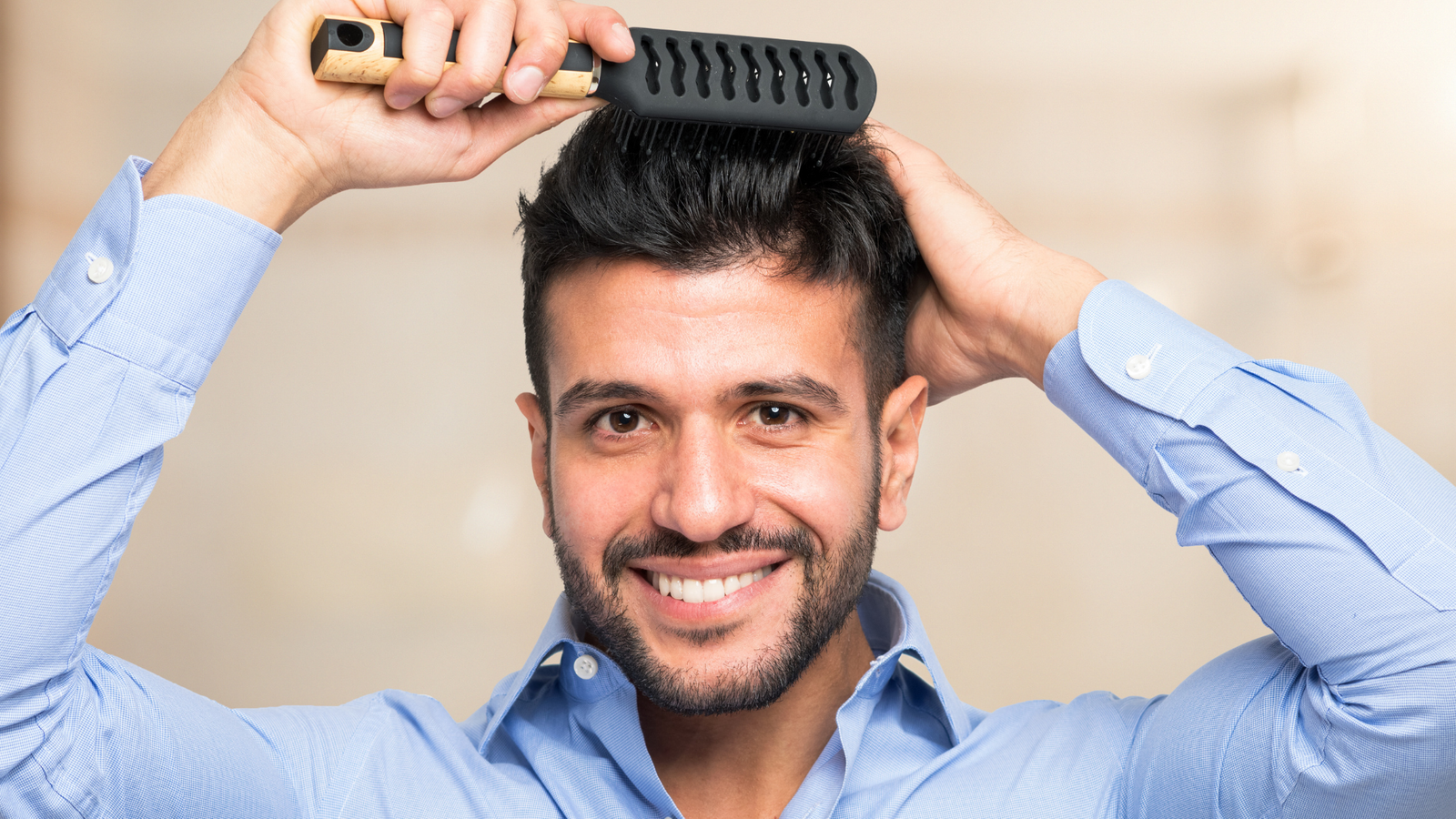
The age-old myth that brushing your hair 100 times a day leads to luscious locks is more fiction than fact and can actually do more harm than good. While the action of brushing can help to distribute the scalp’s natural oils along the length of the hair, providing some shine and reducing the appearance of dryness, excessive brushing can have detrimental effects. Over-brushing can cause significant breakage, especially if the hair is already weak or fragile. Additionally, it can lead to scalp irritation, as the constant motion might irritate or inflame the skin.
To brush hair effectively and maintain its health, it’s crucial to use gentle techniques and appropriate tools. Choose brushes with natural bristles or wide-toothed combs that are less likely to snag or pull on the hair. Start detangling from the ends, working your way upward to minimize stress on the roots. Incorporating a leave-in conditioner or detangling spray can also add slip, making the process smoother and reducing friction. Ultimately, brushing should be part of a holistic hair care routine that includes proper cleansing, conditioning, and occasional trimming to foster healthy hair growth.
Myth 7: Split Ends Can Be Repaired
Some believe in products that claim to “repair” split ends, but the reality is that only trimming split ends can truly remove them. Split ends occur when the protective outer layer of the hair cuticle is damaged, leading the hair fiber to split into two or more strands. While many hair care products on the market promise to seal or repair these troublesome ends, they typically achieve only a temporary cosmetic solution. These products might contain ingredients like silicones or oils that can smooth the hair shaft, giving it the appearance of healthier hair by temporarily bonding the split surfaces together.
However, this effect is short-lived and fade haircuts with regular washing and styling. The most effective way to deal with split ends is by regularly trimming them off, preventing further damage from traveling up the hair shaft, which can weaken the strand and lead to breakage. A healthy diet, proper hydration, and minimizing the use of heat styling tools can also support overall hair health and reduce the frequency of split ends. Therefore, while products can enhance the appearance of hair, they cannot replace the benefits of routine maintenance through trimming.
Myth 8: Frequent Shampooing Strips the Hair
There is a common belief that washing hair too often can strip it of its natural oils, leading to dryness and damage. However, this misconception is not entirely accurate. While shampooing does remove excess dirt, oil, and product buildup from the scalp and hair strands, most shampoos are formulated with ingredients that also replenish moisture.
Choosing a gentle shampoo that suits one’s hair type and using proper techniques (such as massaging only the roots and avoiding harsh scrubbing) can help maintain a healthy balance of oils on the scalp while still effectively cleansing the hair. In fact, frequent shampooing can be beneficial for those with oily scalps or those who use a lot of styling products. It is important to note that everyone’s hair and scalp have different needs, and finding the right shampoo frequency for one’s individual hair type can help maintain healthy, clean hair.
Conclusion
Debunking these myths can lead to healthier hair practices and improved haircare outcomes. Understanding the truths behind common misconceptions empowers individuals to make informed decisions about their hair care routines. By recognizing that products cannot repair split ends and that proper brushing techniques matter, individuals can adopt habits that genuinely contribute to hair health.
Additionally, for those seeking tailored advice and innovative styling solutions, visiting a Barber can be a transformative experience. These professionals offer personalized recommendations that align with one’s hair type and lifestyle, providing top-notch services that enhance both style and hair integrity. By integrating expert guidance with a robust personal care regimen, individuals can achieve their hair goals and maintain vibrant, resilient hair over the long term.