
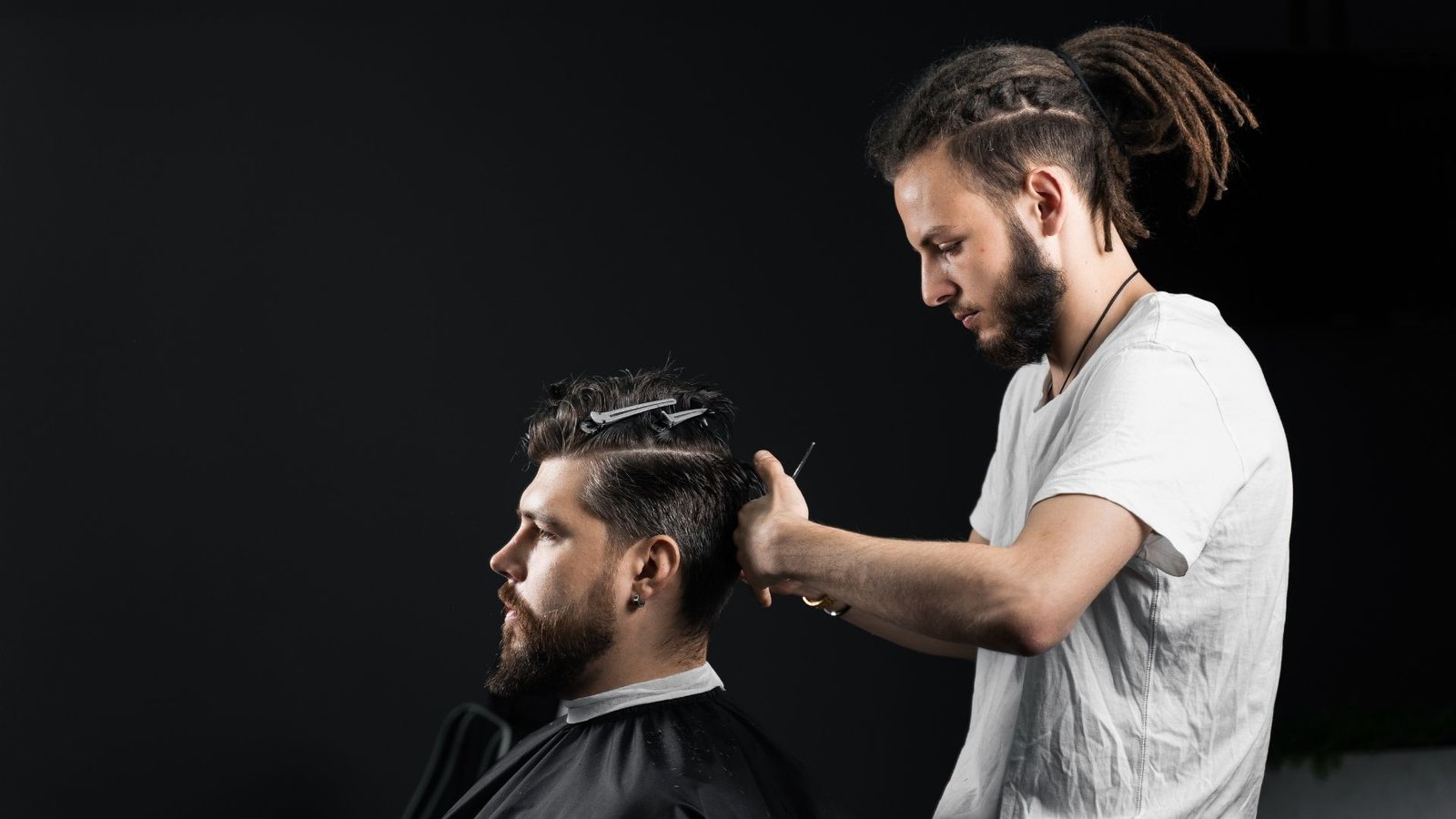
Some men have had the same dentist, the same mechanic, and the same pair of work boots for years. Ask them which of those they’d give up last, and plenty will tell you none of them. It’s their barber.
That kind of loyalty isn’t an accident, and it isn’t only about a sharp fade. It comes from trust, memory, habit, and the quiet comfort of sitting in a chair where nobody needs a long explanation. After more than twenty years behind the chair, I’ve watched boys grow into fathers and fathers bring in their sons, all with the same chair, the same mirror, and the same small talk about the game.
This guide breaks down why men keep coming back. You’ll get the psychology behind it, the hidden cost of switching, the reasons clients leave for good, and what you’re really paying for when you book. You’ll also hear stories from the chair and get a checklist for finding a barber worth sticking with.
The Chair You Keep Coming Back To
Before we get into research and numbers, let’s start where loyalty actually lives: in the first few seconds after you open the door.
That Feeling When You Walk Through the Door
You know the moment. The bell over the door jingles. Clippers buzz from the second chair. Someone’s arguing about a referee’s call from Sunday. The air carries talc, warm towels, a little bay rum, and the sharp clean smell of disinfectant from the blue jar on the counter.
Your barber looks up from the guy he’s finishing, gives you a nod, and says, “Ten minutes, big man.” You grab a seat. You don’t check your phone right away, because you don’t need to. You already know how this goes.
That feeling is the whole story in miniature. It’s familiar. It’s easy. Nothing about the next forty minutes is a gamble. You won’t have to explain your cowlick, your part, or why you hate the neckline squared off. He knows. He’s known for years.
Compare that to walking into a place you’ve never been. You scan the room. You wonder who’s free. You sit down in a stranger’s chair, pull up a photo on your phone, and start talking fast, hoping he hears what you mean and not just what you say. Your shoulders stay tight the whole cut.
The difference between those two experiences is the difference between a customer and a regular. One is a transaction. The other feels a lot like coming home.
Most men can’t put that feeling into words. They’ll just say, “I like my guy.” But underneath that short sentence sits a whole structure of trust, memory, and comfort that took years to build. And once you have it, you don’t trade it away lightly.
The Question Every Barber Eventually Asks Himself
Every barber, at some point, sits in his own empty chair after closing, sweeps the last pile of hair into the dustpan, and wonders why some clients stay for twenty years while others never come back after one visit.
I asked myself that a lot early on. I was fast with the clippers and clean with the razor, and I still lost clients I thought I’d nailed. Meanwhile, an old-timer two chairs down, slower than molasses and fond of long stories about his fishing boat, had a waiting list that ran three weeks out.
It took me years to understand the gap. His cuts were good, but plenty of barbers had good cuts. What he had was something harder to copy. He remembered everything. He asked about your mother’s surgery. He knew which of your kids played shortstop. He never once rushed a man out of his chair to squeeze in the next walk-in.
That’s when it clicked. People don’t stay loyal to scissors. They stay loyal to a person who uses them well and treats them right.
The neighborhood barbershop has always worked this way. It runs on relationships first and haircuts second, even though the haircut is the reason you walk in. Lose sight of that, and no amount of skill keeps the chair full.
What This Guide Will Show You
This isn’t a feel-good piece about how barbers are great guys. Some aren’t. This is a straight look at the real reasons men return, built from decades behind the chair and backed by research on trust, habit, and customer behavior.
Here’s the ground we’ll cover:
- What loyalty really means in a barber’s world, and how it differs from loyalty to a store or a brand.
- The psychology that pulls you back, including habit, familiarity, and the brain’s dislike of risk.
- Trust and consistency, the two pillars every lasting barber relationship stands on.
- The relationship itself, from remembered names to conversations you don’t have anywhere else.
- Community and belonging, and why the shop has served as a gathering place for centuries.
- Skill vs. personality, and which one actually keeps you booking.
- Switching costs and the reasons clients leave, so you understand both sides.
- Price vs. value, generational loyalty, real stories, modern trends, and a final checklist.
Whether you’ve had the same barber since middle school, you just moved and you’re starting over, or you’re a dad trying to find the right chair for your son, you’ll walk away knowing exactly what to look for and how to keep it once you find it.
Let’s start by defining what loyalty actually looks like from behind the chair.
What Loyalty Really Means Behind the Chair
The word “loyalty” gets thrown around by airlines and coffee chains. In a barber’s world, it means something more personal and more fragile.
Regulars, Drifters, and Walk-Ins
Every shop sees three kinds of clients, and any barber can sort them in about five seconds.
Regulars book the same barber, often the same day and time, every few weeks. They don’t look at the menu. They sit down, and the cape goes on. Some of them have their own coffee mug on the shelf.
Drifters like the shop but not any one barber. They take whoever is free. They might be loyal to the location, but if a new place opens closer to their office, they’ll try it without much guilt.
Walk-ins are just passing through. Maybe they’re in town for a wedding or their regular guy is on vacation. Some walk-ins become regulars. Most don’t.
| Factor | Loyal Regular | Casual Customer |
| Who cuts his hair | Same barber every time | Whoever is available |
| Booking habit | Recurring slot, often weeks ahead | Last-minute or walk-in |
| Consultation time | Seconds, if any | Several minutes of explaining |
| Consistency of results | High | Varies visit to visit |
| Tipping pattern | Steady, often generous | Inconsistent |
| Reaction to a price increase | Usually stays | Often shops around |
| Referrals | Sends friends, sons, coworkers | Rarely |
Here’s what matters for you. The regular gets a better haircut, not because the barber plays favorites, but because the barber has data. He’s seen your hair grow out a dozen times. He knows how your crown behaves at week three. The casual customer gets the barber’s best guess. The regular gets the barber’s best work.
Loyalty to the Barber vs. Loyalty to the Shop
This is one of the most important distinctions in the whole conversation, and most men never think about it until their barber changes shops.
| Factor | Loyalty to the Barber | Loyalty to the Shop |
| What you’re attached to | One person’s hands and judgment | Location, vibe, convenience |
| What happens if he leaves | You follow him | You stay and try someone new |
| Strength of the bond | Very strong, personal | Moderate, practical |
| Main driver | Trust and relationship | Habit and convenience |
| Risk | Losing him means starting over | Results can vary barber to barber |
Researchers have actually studied this. Lisa Bove and Lester Johnson published work in the International Journal of Research in Marketing examining what happens when customers form loyalty to one individual service worker rather than the business. Their findings line up with what every barber already knows: when the bond is with the person, clients tend to follow that person, not the sign out front.
I’ve seen it play out more times than I can count. A barber moves across town, and within a month, half his book is driving twenty extra minutes to sit in his new chair. The old shop still has the same leather chairs, the same TV, the same coffee. Doesn’t matter. The man with the clippers left, and the clients went with him.
If you’re the kind of guy who’s loyal to a person, that’s not a weakness. It means you’ve found something worth protecting. Just know that it puts your haircut in one set of hands, so choose those hands carefully.
Why Loyalty Matters to Your Wallet and Your Look
Loyalty isn’t only a warm feeling. It has real payoffs on both sides of the chair.
For the business, the numbers are striking. Frederick Reichheld of Bain & Company found that increasing customer retention by just 5 percent can raise profits anywhere from 25 to 95 percent. And according to research published in the Harvard Business Review, acquiring a new customer can cost five to twenty-five times more than keeping an existing one. That’s why smart barbers fight to keep you. Every regular is worth far more than a stranger.
For you, the payoff shows up in three places:
- Better haircuts. Each visit builds on the last, so the cut gets more dialed in over time.
- Less time and stress. No long explanations, no gambling, no anxious glances at the mirror.
- Priority treatment. Regulars get squeezed in before a wedding, called when a slot opens, and sometimes get a free neck cleanup between visits.
Think of it like a good mechanic. The first time he looks at your truck, he’s learning it. By year five, he hears a rattle and knows exactly which bolt is loose. Same with your hair.
So what’s actually happening in your head that keeps pulling you back to the same chair? That’s where the psychology comes in.
The Psychology of Coming Back
Loyalty feels like a choice, but a lot of it runs on wiring you never think about. Understanding it helps you see why switching feels so uncomfortable.
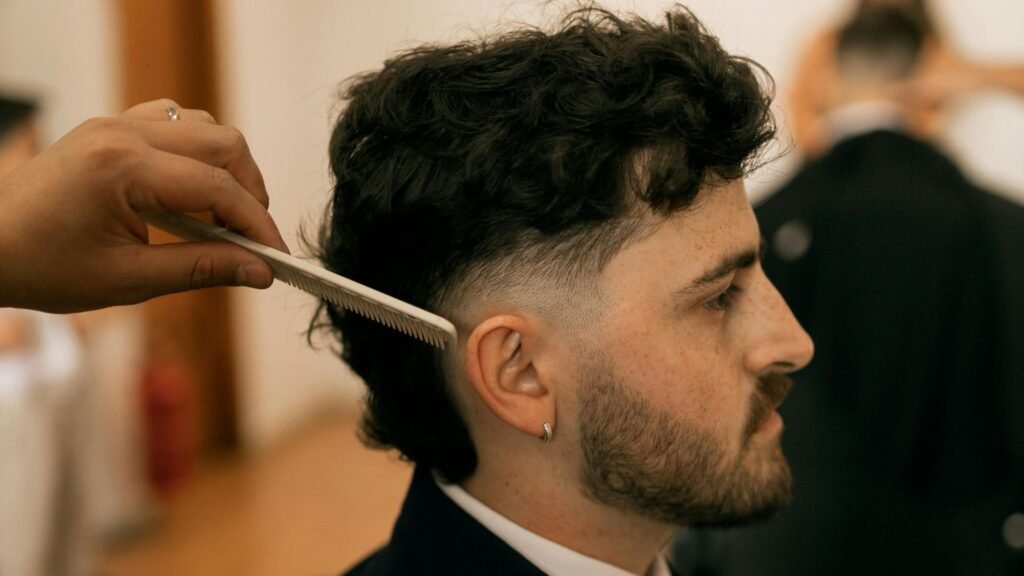
Familiarity Breeds Comfort, Not Contempt
The old saying claims familiarity breeds contempt. In the chair, it’s the opposite.
Back in 1968, psychologist Robert Zajonc published research on what’s now called the mere exposure effect. His experiments showed that people tend to develop a preference for things simply because they’ve been exposed to them repeatedly. Faces, words, shapes, even nonsense symbols. The more you see something, the more you tend to like it, as long as the early experiences weren’t negative.
Apply that to your barber. Every visit adds another layer of exposure: the same face, the same voice, the same jokes, the same routine of hot lather on the back of your neck before the razor finishes the line. Each one nudges your comfort higher.
That’s also why the first visit to a new barber can feel slightly off even when the cut is fine. Nothing went wrong. Your brain just hasn’t logged enough exposure to relax yet. You’re not judging the haircut alone. You’re reacting to unfamiliarity.
Here’s a practical takeaway. If you’re trying out a new barber, don’t judge him on one visit. Give it two or three. The comfort you felt with your old barber took time to build, and the new guy deserves the same runway.
The Hours It Takes to Become Friends
This might be my favorite piece of research about why men stay with one barber.
In 2018, communication researcher Jeffrey Hall of the University of Kansas published a study in the Journal of Social and Personal Relationships estimating how many hours it takes to build a friendship. His findings: roughly 50 hours together to move from acquaintance to casual friend, about 90 hours to become a real friend, and more than 200 hours to become a close friend.
Now do the barber math. Say you get a cut every three weeks and spend about 40 minutes in the chair, plus some time waiting and talking.
| Years With the Same Barber | Approx. Visits | Approx. Hours Together | Relationship Level (Hall’s Estimates) |
| 1 | 17 | 14 | Acquaintance |
| 3 | 51 | 43 | Close to casual friend |
| 5 | 85 | 71 | Casual friend |
| 8 | 136 | 113 | Friend |
| 20 | 340 | 283 | Close friend territory |
Read that last row again. A man who’s sat in the same chair for twenty years has spent more face-to-face time with his barber than with some of his cousins. No wonder walking away feels wrong. You wouldn’t drop a friend over a five-dollar price bump, and most men won’t drop their barber for one either.
It also explains why guys tell their barbers things they don’t tell anyone else. The hours add up quietly, forty minutes at a time, until one day you realize this man knows about your divorce, your promotion, and your kid’s college applications.
Habit, Ritual, and the Autopilot Brain
A big chunk of your life runs on autopilot. Research by Wendy Wood and colleagues at Duke University, published in the Journal of Personality and Social Psychology in 2002, found that roughly 43 percent of everyday behaviors were performed out of habit, usually in the same place, often while people were thinking about something else entirely.
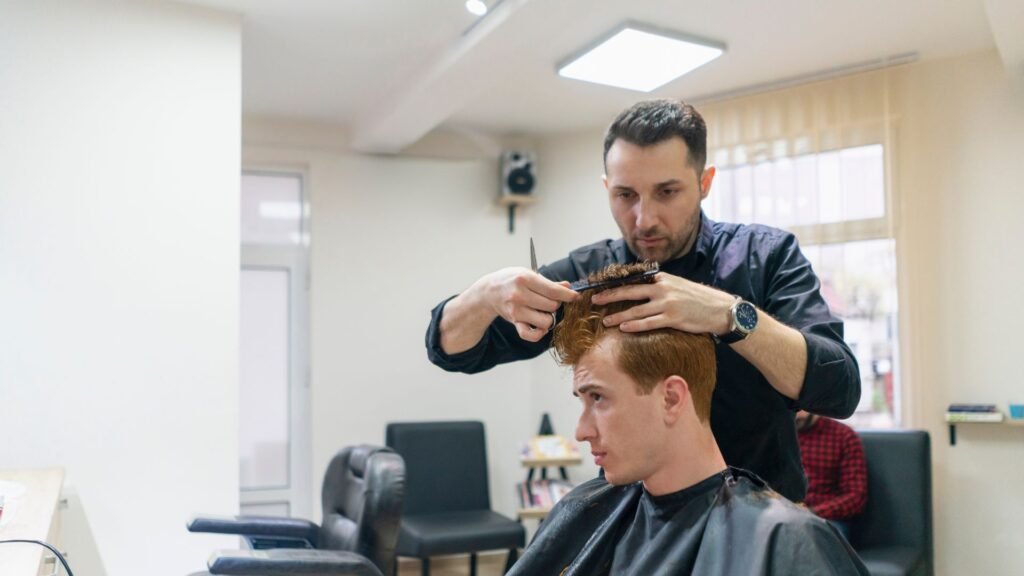
Your haircut is a textbook habit. Same shop, same chair, same Saturday morning slot, same coffee afterward from the diner next door. Once a routine like that settles in, it stops being a decision. You don’t wake up and weigh your options. You just go.
Then there’s ritual, which is habit with meaning attached. The hot towel draped over your face. The cold splash of aftershave that makes you wince and grin at the same time. The brush of talc across your neck. The barber spinning the chair around so you can see the back with the hand mirror. These small, repeated moments carry weight. They mark time. They signal “you’re taken care of.”
Think of a pitcher’s routine on the mound. Same breath, same tug on the cap, same glance at the runner. It’s not superstition so much as a way of settling the mind. A haircut ritual does the same thing for a lot of men. It’s forty minutes where the world gets quiet and somebody else is in charge.
Why Your Brain Hates Gambling on a New Cut
Economists William Samuelson and Richard Zeckhauser coined the term status quo bias in a 1988 paper in the Journal of Risk and Uncertainty. Their research showed that people strongly tend to stick with their current option, even when alternatives might be just as good or better.
Pair that with loss aversion, the well-documented idea from psychologists Daniel Kahneman and Amos Tversky that losses feel more painful than equal gains feel good, and you’ve got a powerful anchor.
Here’s how it plays out in your head:
- The upside of switching is a maybe. Maybe the new guy is a little better. Maybe he’s a little cheaper.
- The downside of switching is vivid. A botched fade. Two weeks of a hat. A wedding photo you’ll see for the rest of your life.
Your brain weighs that bad haircut far more heavily than the possible upgrade. So you stay. And honestly, that instinct usually serves you well. A haircut sits on your head every day, in every meeting, every date, every family photo. Being cautious about who touches it isn’t irrational. It’s smart.
Psychology explains the pull. But psychology alone won’t keep you in a chair if the barber can’t deliver. That’s where trust comes in.
Trust Is Built One Cut at a Time
You can’t buy trust, and you can’t fake it for long. It gets built visit by visit, and it can be lost in a single bad afternoon.
Consistency: The Same Great Cut, Visit After Visit
If you ask a hundred loyal clients why they stay, the most common answer won’t be “he’s the best barber in town.” It’ll be some version of “he gets it right every time.”
That’s consistency, and it beats occasional brilliance. A barber who gives you a 10 one visit and a 6 the next is more stressful than one who gives you a solid 9 every single time. You can plan your life around a 9. You can’t plan around a coin flip.
According to the 2019 Edelman Trust Barometer Special Report, 81 percent of consumers said they need to be able to trust a brand to buy from it. For a barber, “brand” means one person, and trust comes almost entirely from predictable results.
| Consistency Factor | What It Looks Like | Why It Builds Trust |
| Same cut every visit | Guard numbers, lengths, and lines match | No surprises in the mirror |
| Same timing | Appointments start close to on time | Respect for your schedule |
| Same standards | Clean station, sharp blades, fresh towel | Signals care and professionalism |
| Same attitude | Friendly whether busy or slow | You never feel like a burden |
| Same price | No surprise add-ons at the register | No feeling of being worked |
Consistency is why great barbers keep notes, either in a book, an app, or their own sharp memory. They write down the guard on the sides, where the fade starts, how much they took off the top, and which side you part on. Then they repeat it. Precisely. Visit after visit.
It’s not glamorous. It’s craftsmanship. Like a carpenter who measures twice, a consistent barber does the same careful steps every single time, even when he could probably wing it.
Honesty in the Chair
The best thing a barber ever said to a client of mine was “No.”
The young guy wanted a slicked-back look he’d seen online. His hair was fine, thinning slightly at the crown, with a cowlick at the front that would fight that style every morning. The barber could’ve just done it and taken his money. Instead he said, “I’ll cut it if you want, but you’ll hate me in a week. Let me show you something that’ll actually work on your hair.”
That client has been coming back for nine years.
Honesty builds trust faster than flattery. When a barber tells you a style won’t suit your hairline, your face, or your schedule, he’s choosing your long-term satisfaction over his short-term ease. Clients notice that. Maybe not right away, but eventually, and it sticks.
Honest barbers also own their mistakes. Every barber nicks someone eventually or takes a little too much off one side. The ones who say “That’s on me, come back Tuesday and I’ll even it out, no charge” keep clients for life. The ones who get defensive or pretend it’s fine lose them.
If your barber has ever talked you out of something, consider it a good sign. He’s looking out for you, not just the next ticket.
The Small Promises That Add Up
Trust doesn’t come only from the big moments. It comes from small promises kept.
- He said he’d fit you in before your brother’s wedding, and he did, at 7 a.m. on a Saturday.
- He said he’d text if a slot opened up, and he did.
- He said the cut would hold for four weeks, and it did.
- He said he’d remember to keep extra length over your crown next time, and he did.
None of these are dramatic. All of them matter. Each kept promise is a small deposit in what you might call a trust account. Over time, the balance grows big enough that a single off day doesn’t wipe it out.
Fathers understand this better than anyone. You don’t earn your kid’s trust with one big trip to an amusement park. You earn it by showing up to every game you said you’d make, by picking him up when you said you would, by keeping the little promises. Same principle applies behind the chair.
Of all the small promises a barber keeps, the most powerful one is simply remembering who you are.
The Barber Who Remembers Your Name, Your Kids, and Your Cowlick
There’s a reason guys light up when their barber asks about their daughter’s dance recital. Being remembered is one of the strongest pulls in any relationship.
The Mental File Every Good Barber Keeps
Great barbers keep a running file on every regular. Some keep it in a notebook by the register. Some keep it in a booking app. The best keep a good chunk of it in their heads.
| What Gets Remembered | Example | Why It Matters to You |
| Technical details | “Number 2 on the sides, low taper, scissors on top” | Consistent results without explaining |
| Hair quirks | “Double crown, leave weight back there” | Fewer bad hair days |
| Skin notes | “Sensitive neck, no alcohol aftershave” | Comfort and no irritation |
| Life details | “Wife’s name is Maria, son plays travel soccer” | You feel known, not processed |
| Preferences | “Doesn’t like to talk before coffee” | The visit fits your mood |
| Schedule | “Every third Friday, 5:30” | Your slot is protected |
Hearing your own name lands differently than most people realize. A 2006 study by Dylan Carmody and Michael Lewis, published in the journal Brain Research, found that hearing one’s own name activates distinct brain regions compared to hearing other names, regions tied to self-awareness and personal relevance. When your barber greets you by name the second you walk in, that’s not just good manners. Your brain registers it as recognition.
Now stack that with every other remembered detail. Over months and years, it adds up to a powerful message: you matter here.
Being Heard Without Having to Explain
One of the quiet gifts of a long-term barber relationship is not having to talk.
A new client spends the first five minutes explaining: here’s a photo, but my hair’s thicker, and I part on the left, well, sometimes the right, and I don’t want it too short in back because last time… A regular sits down, says “the usual,” and closes his eyes.
That relief is bigger than it sounds. Most men spend their days explaining themselves. To bosses, to clients, to customer service reps who keep transferring them. The barber’s chair might be the one place where someone already understands what they need.
More Than a Haircut: Community and Belonging
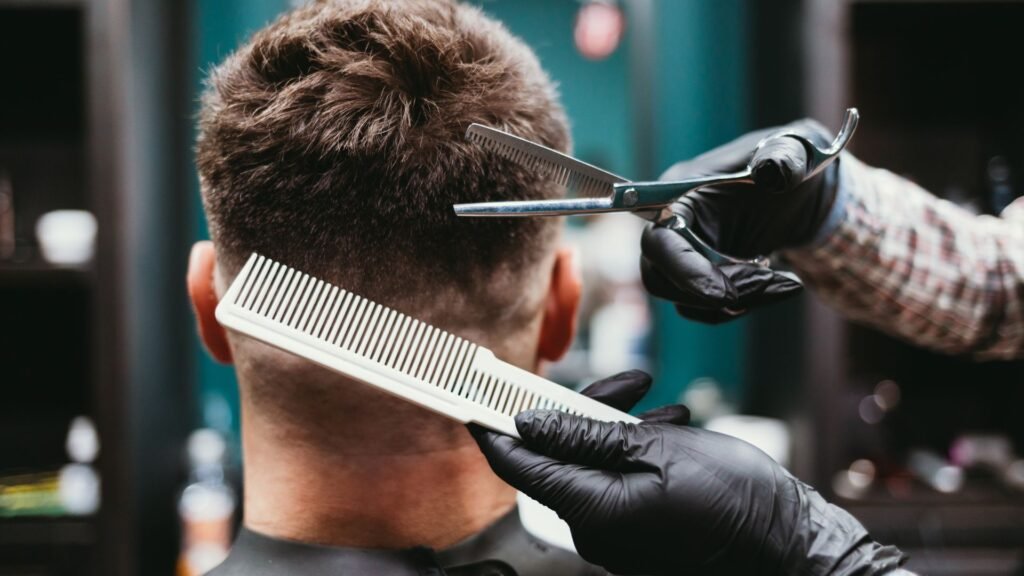
The Shop as the Neighborhood Living Room
A good barber shop is more than just a stop on your to-do list; it’s a place where stories are swapped and each visit feels like catching up with old friends. It’s where life updates happen and the conversations feel as natural as a laugh over coffee.
A Short History of the Shop as a Gathering Place
Barber shops have long been cornerstones of their neighborhoods. From the tight-knit social exchanges of yesteryear to today’s spaces full of camaraderie and connection, these shops have always been about more than just grooming.
Skill vs. Personality: What Really Keeps You in the Chair
The Case for Pure Skill
An immaculate haircut speaks for itself. Precision fades, a seamless blend, and sharp lines—skill is the backbone that earns a barber respect and loyalty. You see the effort in every snip, and your reflection always proves it’s worth it.
The Case for Personality
Skill gets you in the door, but personality makes you stay. A barber who listens, remembers your stories, and makes you feel like more than just a client is someone you’ll come back to—even if it means moving heaven and earth to get their next open slot.
Why the Best Barbers Need Both
The magic is in the balance. A perfect haircut paired with genuine rapport creates trust, comfort, and an experience worth talking about. That combination turns a single visit into a long-term relationship.
The Hidden Cost of Switching Barbers
Starting From Scratch
Changing barbers means undoing years—sometimes even decades—of trust and understanding. You start with hesitation, layering in awkward explanations of what you like and don’t like, putting faith in someone who doesn’t yet know “your cut.”
The Bad Cut Tax
A poorly executed cut isn’t just about looks; it’s about the week you spend waiting for it to grow out, fiddling with hats, and avoiding cameras. The financial cost pales in comparison to the personal regret.
Staying Put vs. Shopping Around
When you stick with a barber who knows your hair, your preferences, and the perfect length on top, you skip the trial and error. Switching may seem tempting, but consistency often outweighs curiosity.
Why Clients Walk Out and Never Come Back
The Rush Job
Nothing breaks trust faster than feeling like a number. If a cut feels rushed, uneven, or careless, it turns into a reminder to find someone who takes pride in their craft.
Feeling Like a Number
Clients leave when they feel like they’re just a name on a booking calendar. Personalized attention and genuine care go a long way in creating loyalty.
Inconsistency, Wait Times, and Broken Trust
A great cut once is fine. A great cut every time is what keeps clients coming back. Unreliable quality, long waits, or missed schedules push people toward the exit faster than any price hike.
Price vs. Value: What You’re Really Paying For
What a Cut Actually Costs
Behind a price tag is hours of practice, years of experience, and tools designed to create the perfect cut. A higher cost often reflects far more than a haircut—it reflects consistency, care, and expertise.
Cheap Cut vs. Trusted Cut Over a Year
A “bargain” cut once a month adds up in both dollars and regret. Over a year, investing in a barber you trust costs less in the long run, leaving you happier with every trim.
Tipping, Loyalty, and the Unspoken Deal
A good tip isn’t just about money; it’s a signal of respect and appreciation for someone who takes their craft seriously. This unspoken deal often forms the foundation of a barber-client relationship built to last.
Loyalty Passed Down: Fathers, Sons, and Generations
The First Haircut and the Certificate on the Fridge
That first snip for a toddler doesn’t just make for adorable photos; it often creates lasting memories and bonds with not just the barber but the shop itself.
When the Son Takes His Dad’s Old Time Slot
Generations of loyalty mean sons grown and following tradition, stepping into their father’s time slot as the barber continues to cut for the family.
Gift-Buyers and the Art of Booking for Someone Else
A haircut can even be a thoughtful gift—arranging an appointment for someone who deserves the care and trust of their barber is more personal than it sounds.
Stories From the Chair
The Man Who Drove Ninety Minutes
Loyalty runs deep when a man is willing to drive over an hour for a trusted barber—proof that convenience will never outshine confidence in the chair.
The Kid Who Grew Up in My Chair
From toddler cuts to job interviews, seeing a client grow through life milestones is the privilege of any barber committed to their craft.
The Client Who Left and Came Back
Sometimes, stepping into other chairs reminds clients why they trusted you in the first place. Often, returning is about finding their way home.
How Shops Earn Loyalty Now
Old-School Handshakes vs. Modern Booking Apps
Whether it’s scheduling through a sleek app or showing up for the handshake, shops that blend tradition with convenience appeal to both nostalgic and modern sensibilities.
Memberships, Rewards, and What Actually Works
Loyalty programs worth sticking with aren’t about gimmicks—they’re about adding real value for clients who plan to return time and time again.
Frequently Asked Questions
What’s the best length for my face shape?
Your barber can help guide you with expert advice here, but as a rule of thumb, round faces often look great with styles that add height, while square faces benefit from softer, textured lengths. A clear conversation before the first snip sets the tone.
Does this cut require a lot of maintenance?
For those balancing packed schedules, low-maintenance styles are key. Ask about how frequently a trim is needed and whether styling products are essential to keep the look fresh.
How often should I come back for a trim?
Hair growth and style play the biggest roles. For clean fades or sharp styles, every 2-4 weeks is common. If your style is more forgiving, you may opt for every 6-8 weeks.
What styling products should I be using?
The right product depends on your hair type, goals, and how much hold or texture you want. Love a matte finish? Opt for a lightweight clay. Need control for thick hair? Your barber might suggest a firmer wax or pomade.
How do I grow out my current haircut?
Your barber can help plan a transition by cleaning up edges and managing awkward stages. Patience and consistent trims turn a grow-out period into a style evolution.
Your Loyalty Checklist and Final Words From the Chair
Consistency. Communication. Respect. These three pillars are at the core of every lasting barber-client relationship. A barber who listens, values your trust, and brings skill to every session makes each appointment more than just a haircut—it’s an experience tailored to you.
Look for a professional who offers client-first service and shows a balance of artistry and attentiveness to your preferences. This type of barber doesn’t just cut hair; they build confidence with every visit, creating a level of trust that keeps you coming back.
The loyalty between barber and client isn’t one-sided. Show up on time, communicate your needs openly, and treat the relationship with respect. Your effort fosters a connection that makes every haircut—or beard trim—seamless and satisfying.
Conclusion
A haircut is so much more than the strands left on the floor. It’s trust built in minutes of honest communication, skill in executing the right style, and a connection crafted over shared conversations. Find a barber who understands your vision and values your loyalty, and every appointment becomes something you look forward to—not just a task but a moment of confidence, relaxation, and self-care. With the right barber, you’re never just getting a cut—you’re investing in yourself.