

A straight razor shave remains popular because it delivers a closer, smoother result than cartridge razors while offering exfoliation, reduced irritation, and a slow, sensory ritual that modern grooming rarely provides. Backed by renewed interest in craftsmanship and community, traditional barbering has grown alongside classic barbershops that blend old-world technique with contemporary service, drawing men of every age back into the chair.
I’ve been standing behind a chair for over twenty years, strop in hand, and I can tell you the straight razor hasn’t survived by accident. It survived because nothing else does what it does. Disposable razors come and go. Subscription blades show up in the mail and pile up in a drawer. But the straight razor, the hot towel, the lather built by hand, that combination keeps men coming back month after month, and it keeps bringing new faces through the door too.
This isn’t nostalgia for nostalgia’s sake. There’s real skin science behind why a single, honed blade outperforms a cartridge stacked with five. There’s a reason fathers bring their sons in for a first shave, and a reason grown men treat themselves to one before a wedding, a job interview, or just a rough week. I want to walk you through all of it: the history, the technique, the cost, and what to expect the first time you sit in the chair.
By the end, you’ll understand exactly why this old tradition refuses to fade, and whether it’s worth booking for yourself.
The Ritual That Never Gets Old
What Makes a Straight Razor Shave Different
A straight razor shave isn’t a quick swipe and rinse. It’s a process, built in layers, where every step prepares your skin for the next. Hot towels open the pores. Warm lather softens the beard. The blade itself, a single flat edge honed to a mirror finish, cuts hair cleanly at the surface rather than tugging it the way multi-blade cartridges do.
The Sensory Experience You Can’t Replicate at Home
There’s a reason you can’t get this at your bathroom sink. The warmth on your face, the scent of the shaving cream, the quiet focus of someone paying attention to your skin and nothing else, it’s a different kind of experience entirely. Most men tell me it’s the fifteen minutes of the week where they’re not checking a phone or thinking about tomorrow’s meeting.
Why Men Keep Coming Back
I’ve had clients who started coming in during college and now bring their own kids. It’s not just about the shave. It’s about having a place where someone knows your face, your skin, your preferences, without you needing to explain it every time. That kind of trust is hard to find anywhere else these days, and once you have it, you don’t want to give it up.
That trust didn’t appear overnight. It’s built on a craft with centuries of history behind it, so let’s go back to where this all started.
A Quick History of the Straight Razor
From Ancient Blades to Barbershop Staple
Shaving tools go back thousands of years, with early versions made from flint, shells, and bronze. The modern straight razor, with its folding handle and fixed steel blade, took shape in 18th century Sheffield, England, where steelmakers began producing blades refined enough for a close, controlled shave.
The Golden Age of Traditional Barbering
By the early 1900s, the barbershop had become a fixture of daily life in nearly every town. Men visited weekly, sometimes more, not just for a shave but for conversation, news, and a sense of belonging. This era shaped much of what a classic barbershop still represents today.
How the Straight Razor Survived the Disposable Era
The 1960s and 70s brought disposable razors and electric shavers, and for a while it looked like the straight razor might disappear from everyday use. But professional barbers kept the craft alive, passing it down through apprenticeships even as home shaving went mass market.
| Era | Approximate Period | Key Development |
| Early tools | Ancient history | Flint, shell, and bronze blades used for grooming |
| Sheffield steel | 1700s | Folding straight razors manufactured at scale |
| Golden age | Early 1900s | Barbershops become social and grooming hubs |
| Disposable boom | 1960s to 1980s | Mass-market razors reduce home straight razor use |
| Modern revival | 2010s to present | Classic barbershops see renewed demand |
That survival wasn’t just about tradition for tradition’s sake. It kept going because the result is genuinely better, and there’s actual science behind that.
The Science Behind a Closer Shave

How a Single Blade Outperforms Multi-Blade Cartridges
Cartridge razors use multiple blades to pull the hair up before cutting, which sounds efficient but actually increases the chance the hair retracts below the skin afterward. A single straight razor blade cuts the hair at skin level in one clean pass, without that repeated tugging.
Skin Exfoliation and What It Does for Your Face
Every pass of a well-honed blade also lifts away dead skin cells sitting on the surface. This exfoliation leaves skin smoother and brighter immediately after a shave, something you simply don’t get from a cartridge razor gliding over the same dead layer of skin.
Reducing Razor Burn, Bumps, and Ingrown Hairs
Dermatology research has consistently linked multi-blade razors to higher rates of pseudofolliculitis barbae, better known as razor bumps, particularly in men with coarse or curly hair. A single blade cutting cleanly at the surface reduces the retraction that causes ingrown hairs in the first place.
Now, I know what you’re thinking: how does this stack up against a safety razor, which also uses a single blade? Let’s break that comparison down properly.
Straight Razor vs. Safety Razor vs. Cartridge: The Real Comparison
Precision and Closeness
A straight razor gives the closest possible shave because the blade sits flat against the skin with full control over angle and pressure. A safety razor comes close behind it, while cartridges, designed for speed over precision, trail both.
Skin Sensitivity and Irritation
Cartridge razors cause the most irritation for sensitive skin due to repeated blade contact and product buildup in the cartridge head. Safety razors and straight razors, using a single clean edge, tend to leave skin calmer.
Cost Over Time
Cartridges feel cheap upfront but add up fast once you’re replacing heads every few weeks. A quality straight razor, maintained properly, can last a lifetime with nothing more than periodic honing.
Environmental Impact
Disposable cartridges generate ongoing plastic waste. Safety razors and straight razors produce far less waste over time, since the blade or handle is reused for years rather than tossed after a handful of shaves.
| Factor | Straight Razor | Safety Razor | Cartridge Razor |
| Closeness of shave | Excellent | Very good | Good |
| Irritation risk | Low (with skill) | Low to moderate | Moderate to high |
| Cost over 5 years | Low after initial investment | Low | High |
| Waste generated | Minimal | Minimal | Significant |
| Skill required | High | Moderate | Low |
Comparisons like this only tell half the story though. To really understand the appeal, you need to know what actually happens once you sit down in a barber’s chair.
What Happens During a Professional Straight Razor Shave
The Hot Towel Prep
Your appointment starts with a steaming towel pressed against your face for several minutes. This softens the beard and opens pores, making the hair far easier to cut cleanly.
Lathering Up with the Right Products
A good lather isn’t squeezed from a can. It’s built by hand with a brush, whipping cream or soap into a dense foam that cushions the skin and lifts the hair away from the face.
The Blade Work
This is where experience matters most. A skilled barber works with the grain of your beard, adjusting blade angle and tension across the jaw, neck, and cheeks, areas that all grow hair in slightly different directions.
Post-Shave Finish and Skin Care
The shave ends with a cool towel to close the pores, followed by balm or aftershave to calm and hydrate the skin. This final step is what separates a great shave from a rushed one.
Every step in that sequence matters, but not every man benefits equally from the service. Let’s talk about who sees the biggest difference.
Who Benefits Most from a Straight Razor Shave
Men with Coarse or Thick Beard Growth
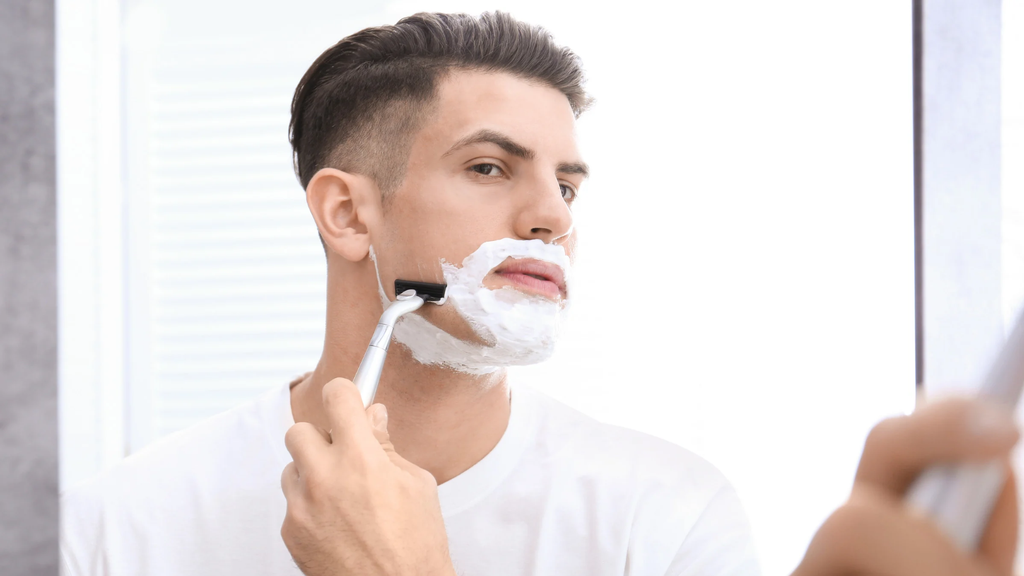
Thicker, coarser hair is exactly what a straight razor handles best, cutting cleanly without the dragging that often causes irritation with multi-blade cartridges.
Dealing with Light Patches and Uneven Growth
Men dealing with Light Patches or uneven growth often find a professional razor shave gives a more even finish, since a trained hand can adjust pressure and angle around sparse or inconsistent areas far better than a standard cartridge can.
Sensitive Skin Types and Mature Men
Older skin tends to be thinner and more reactive, which makes the gentler single-pass technique of a straight razor especially useful. Many of my regulars in their fifties and sixties tell me it’s the only shave that doesn’t leave them red for the rest of the day.
Knowing you’re a good candidate is one thing. Finding someone who can actually deliver that result is the next step, and it matters more than people realize.
Choosing the Right Barber for a Straight Razor Service
What Credentials and Training to Look For
Look for a barber with formal training in straight razor technique, ideally through a licensed barbering program or a documented apprenticeship under an experienced professional.
Questions to Ask Before You Sit in the Chair
Ask how often blades are changed or honed, how long they’ve been performing straight razor shaves, and whether they can walk you through their sanitation process before you ever sit down.
Red Flags to Avoid
Be cautious of anyone who rushes the hot towel step, skips a proper lather, or uses the same blade across multiple clients without replacing or sterilizing it between appointments.
Once you’ve found someone skilled, the products they use matter just as much as their technique.
The Products That Make or Break the Shave
Pre-Shave Oils and Their Role
A thin layer of pre-shave oil adds slip beneath the lather, reducing friction and helping the blade glide without catching on dry patches of skin.
Shaving Creams vs. Soaps vs. Gels
Creams and soaps whipped into a dense lather offer far more cushion and glide than aerosol gels, which tend to dry out quickly and leave less protection against the blade.
Post-Shave Balms, Alums, and Aftershaves
An alum block disinfects and tightens the skin immediately after shaving, while a good balm follows up with hydration to prevent tightness or flaking later in the day.
| Product Type | Purpose | When It’s Used |
| Pre-shave oil | Adds slip, softens hair | Before lathering |
| Shaving cream or soap | Cushions skin, lifts hair | During the shave |
| Alum block | Disinfects, tightens skin | Immediately after shaving |
| Balm or aftershave | Hydrates, calms irritation | Final step |
Good products come at a cost, and that naturally raises the question most new clients ask me first: is any of this actually worth the money?
The Cost of a Traditional Shave: Is It Worth It?
What You’re Actually Paying For
You’re paying for a trained hand, premium products, and time, usually thirty to forty-five minutes of focused attention rather than a two-minute pass at home.
Pricing Breakdown by Service Type
Pricing varies by region and shop, but most straight razor shaves fall within a predictable range depending on what’s included.
| Service | Typical Price Range |
| Basic straight razor shave | $25 to $40 |
| Shave with hot towel and massage | $35 to $55 |
| Luxury shave package with extended treatment | $50 to $80 |
Straight Razor Shave vs. Home Shaving Costs Over a Year
A weekly professional shave can run $1,300 to $2,000 annually, while home cartridge shaving, including replacement heads and products, typically costs $150 to $300 a year. The professional option costs more, but it buys a result and an experience that home shaving simply can’t replicate.
Cost aside, even the best products and pricing won’t save a shave if the technique is off. Let’s cover the mistakes that separate a good barber from a great one.
Common Mistakes and How Good Barbers Avoid Them
Going Against the Grain Too Early
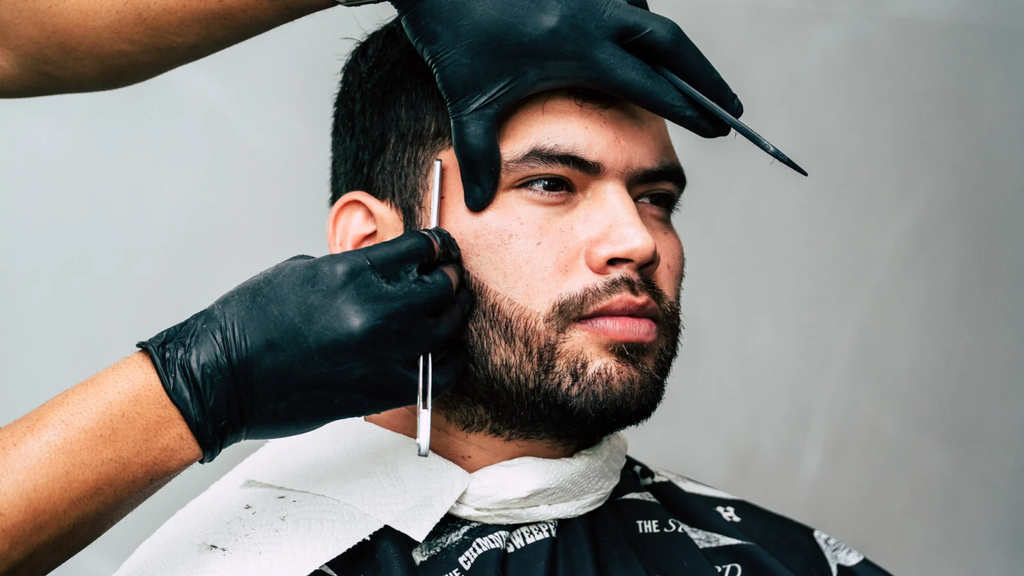
Cutting against the grain before the skin and hair are properly prepped is one of the fastest ways to cause irritation. Experienced barbers work with the grain first, saving against-grain passes for the final, closest finish.
Poor Blade Maintenance and Hygiene
A dull or improperly honed blade drags rather than cuts, increasing nicks and irritation. Good shops hone and strop blades regularly and follow strict sanitation protocols between every client.
Rushing the Prep Work
Skipping or shortening the hot towel step is tempting when a shop is busy, but it’s one of the biggest factors in shave quality. Properly softened hair and skin make every later step easier and safer.
Avoiding these mistakes is part of why skilled barbershops have earned renewed trust, and that trust is a big part of why the whole industry is seeing a cultural comeback.
The Cultural Resurgence of Traditional Barbering
Why Younger Men Are Rediscovering the Barbershop
Younger generations, raised on disposable everything, are increasingly drawn to services that feel intentional and personal. A straight razor shave offers exactly that: undivided attention in a world full of distractions.
The Barbershop as a Community Space
A good barbershop has always been more than a place to get groomed. It’s a space where men of every background, hair type, and style feel welcome, whether they’re regulars who’ve been coming for decades or first-timers bringing their sons in for their first real shave.
Social Media and the Revival of Classic Grooming
Video content showcasing straight razor technique, hot towel prep, and barbershop craftsmanship has introduced the ritual to an entirely new audience, many of whom had never considered a professional shave before seeing it online.
This renewed interest isn’t a passing trend either. The data backs up where the industry is actually headed.
Expert Trends: Where Traditional Barbering Is Headed
Demand Growth and Industry Numbers
According to IBISWorld, the barbershop industry in the United States has shown steady growth over the past decade, driven partly by renewed demand for grooming services that go beyond a basic haircut.
Blending Old Techniques with New Products
Modern barbershops increasingly pair classic straight razor technique with newer formulations, like lightweight pre-shave oils and dermatologist-tested balms, combining tradition with product innovation.
What the Next Generation of Barbers Looks Like
Barbering schools report growing enrollment interest in traditional wet shaving and razor technique, suggesting the next generation of professionals is being trained with these skills rather than letting them fade.
| Trend Indicator | Observation |
| Industry growth | Steady annual growth reported by IBISWorld over the past decade |
| Service demand | Increased requests for hot towel and razor shave packages |
| Training interest | Rising enrollment in traditional wet shaving courses |
With demand growing and skills being passed down, there’s never been a better moment to try it yourself if you haven’t already. Here’s exactly how to do that.
Your First Straight Razor Shave: A Step-by-Step Action Plan
Before You Book the Appointment
Let your beard grow for a day or two beforehand, since slightly longer hair gives the blade more to work with on a first visit. Research a shop with strong reviews specifically for razor shave services, not just haircuts.
What to Do on the Day
Arrive with clean, product-free skin and communicate any sensitivities or past irritation issues before the barber begins. Relax into the chair. Tension in your jaw or neck makes the process harder for everyone.
Aftercare Routine to Lock In the Results
Avoid touching your face unnecessarily for the rest of the day and skip heavy fragranced products for twenty-four hours to let your skin fully settle. A light moisturizer that evening helps maintain the smooth finish.
With all that covered, let’s answer the questions I hear most often from first-timers sitting in the chair.
Frequently Asked Questions About Straight Razor Shaving
Is a straight razor shave safe?
Yes, when performed by a trained professional using proper sanitation and technique. Nicks are rare in experienced hands, and the controlled, single-pass approach generally causes less irritation than home shaving with disposable blades.
How often should I get a straight razor shave?
Most men schedule a professional shave every one to two weeks, though some come weekly for the ritual itself and others save it for special occasions like weddings or job interviews.
Does a straight razor shave hurt?
A properly performed shave shouldn’t hurt at all. Good prep work, including hot towels and quality lather, protects the skin so the blade glides rather than drags.
Can men with sensitive skin get a straight razor shave?
Yes, and sensitive skin often benefits the most, since a single clean pass causes far less friction and irritation than multi-blade cartridges dragging repeatedly over the same area.
How long does a professional straight razor shave take?
A full service typically takes thirty to forty-five minutes, including prep, the shave itself, and post-shave skin care.
What is the difference between a straight razor and a shavette?
A traditional straight razor uses a fixed blade that requires regular honing and stropping, while a shavette holds a disposable blade, offering similar technique with easier maintenance for the person performing the shave.
Is straight razor shaving worth the extra cost?
It’s worth it for anyone who values precision, skin health, and the experience itself over pure convenience. If speed and lowest possible cost matter more to you, home shaving may suit your routine better.
Those questions cover the basics, but there’s one bigger point I want to leave you with.
The Straight Razor Will Always Have a Seat in the Chair
Why This Tradition Endures
This craft has survived world wars, disposable razors, and decades of changing grooming trends, and it’s still here because nothing else replicates the precision, the skin benefit, and the quiet ritual of a proper shave. Technology keeps changing how we live, but some experiences are worth slowing down for.
The Final Word from the Chair
After twenty years behind the chair, I can tell you the appeal was never really about the blade. It’s about the attention, the care, and the fifteen minutes where someone is entirely focused on you. If you’ve never sat in the chair for a proper straight razor shave, find a trusted barber near you and give it a try. Your face, and your week, will thank you for it.