
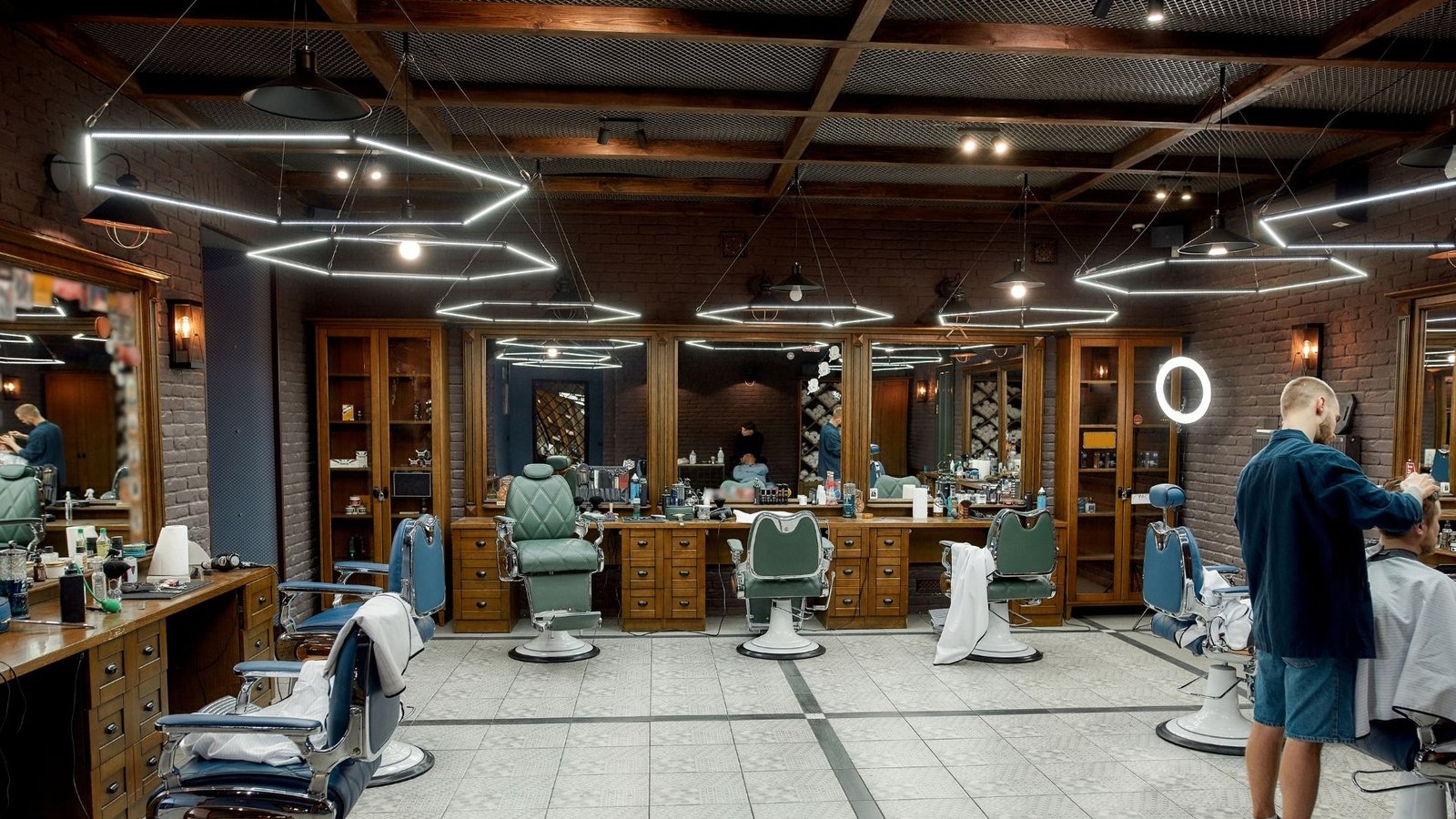
Twenty years behind the chair teaches you something most men never think about: where you sit for your haircut matters almost as much as who’s holding the clippers. Walk into a barbershop and you smell talc, leather, and bay rum. Walk into a salon and you’re greeted with essential oils, soft music, and a menu of services longer than a diner’s breakfast list. Both places can leave you looking sharp. Both can also leave you disappointed if you picked the wrong one for your needs. This guide breaks down the real differences between barbershops and hair salons, covering training, pricing, atmosphere, services, and results, so you walk out the door looking the way you pictured in your head.
Key Takeaways
- Barbershops specialize in short hair, fades, beard work, and traditional services like hot towel shaves. Salons specialize in longer hair, color, chemical treatments, and styling versatility.
- Barbers are licensed differently than cosmetologists, with training focused heavily on clipper work and razor technique.
- Pricing at barbershops tends to run lower for basic cuts, while salons charge more for color and treatment-based services.
- The best choice depends on your hair type, your goals, and whether you want a quick, no-frills haircut or a longer styling experience.
- Many men split the difference by going to a barbershop for maintenance cuts and a salon for occasional color or specialty treatments.
What Is the Difference Between a Barbershop and a Hair Salon?
A barbershop focuses on men’s grooming: haircuts, beard trims, shaves, and fades. A hair salon serves a broader client base and offers services like coloring, perms, extensions, and styling for all hair types and lengths.
How Barbershops Got Their Start
Barbershops go back further than most people realize. In ancient Egypt, barbers held a respected position, often doubling as medical practitioners who performed bloodletting and minor surgery alongside grooming. The modern American barbershop culture took shape in the 19th and 20th centuries, becoming a neighborhood institution where men gathered, talked politics, and got sharp before church or work. That tradition of community still lives in shops today. You sit in the chair, the clippers buzz, and conversation flows the same way it has for generations.
How Hair Salons Evolved Differently
Salons grew out of a different tradition entirely, rooted in high society hairdressing for women in 18th century France. Over time, salons expanded their service menus to include chemical treatments, color work, and styling techniques that required specialized licensing. Today’s salon is less about tradition and more about versatility, catering to a wide range of hair types, lengths, and aesthetic goals.
Table 1: Core Differences at a Glance
| Feature | Barbershop | Hair Salon |
| Primary Clientele | Men, boys | Men, women, all ages |
| Specialty | Short hair, fades, beards | Long hair, color, treatments |
| Tools Commonly Used | Clippers, straight razors | Scissors, color brushes, flat irons |
| Atmosphere | Traditional, masculine | Relaxed, varied by salon |
| Typical Visit Length | 15 to 45 minutes | 45 minutes to 3 hours |
What Training Do Barbers Have Compared to Cosmetologists?
Barbers train specifically in men’s hair, shaving, and beard work, while cosmetologists train broadly across cutting, coloring, chemical treatments, and nail or skin services depending on the state.
State Licensing Requirements
Licensing hours vary significantly by state. According to the National Interstate Council of State Boards of Cosmetology, barber programs typically require between 1,000 and 1,500 hours of training, while cosmetology programs often require 1,500 to 2,100 hours because they cover a wider scope of services.
Table 2: Average Training Hours by Role
| Role | Typical Training Hours | Focus Areas |
| Barber | 1,000 to 1,500 | Clipper cutting, razor shaving, beard design |
| Cosmetologist | 1,500 to 2,100 | Cutting, color, chemical services, styling |
| Master Barber | 1,500+ with apprenticeship | Advanced fades, straight razor shaves, barbershop management |
Why This Difference Matters for Your Haircut
A barber who has spent a decade doing nothing but fades and tapers develops muscle memory that a general stylist might not have. Think of it like a specialist surgeon versus a general practitioner. Both are skilled, but one has repeated a narrow set of techniques thousands of times. If your hair is short and you want crisp lines around the ears and neck, that repetition shows.
Barbershop vs. Salon: Which Is Better for Short Hair?
Barbershops are generally better suited for short hair because barbers train extensively on clippers, fades, and precision line work that salons may not emphasize as heavily.
Why Clipper Skill Is a Barber’s Bread and Butter
A good barber can read the grain of your hair and adjust clipper guard sizes mid-cut without you even noticing. Fades, in particular, require blending multiple guard lengths into a seamless gradient. It’s a skill built through repetition, the same way a free throw shooter grooves their form through thousands of attempts.
When a Salon Still Works for Short Hair
Some salons employ stylists who cross-trained in barbering techniques, particularly in urban areas where unisex salons have grown popular. If your preferred stylist has that background, a salon can deliver comparable results.
Table 3: Short Hair Comparison
| Factor | Barbershop | Salon |
| Fade Precision | Typically stronger | Varies by stylist |
| Speed of Service | Faster | Slower |
| Cost for Basic Cut | Lower | Higher |
| Consistency Visit to Visit | High if same barber | Varies |
Barbershop vs. Salon: Which Is Better for Long Hair or Color?
Salons are better suited for long hair, color, and chemical treatments because stylists train extensively in those techniques and salons typically stock a wider range of color and treatment products.
Why Color Work Requires Specialized Training
Color correction, balayage, and chemical straightening involve chemistry, not just cutting technique. A stylist needs to understand how different hair types react to bleach, dye, and heat to avoid damage. This is a different skill set entirely from clipper work.
Table 4: Long Hair and Color Services Comparison
| Service | Available at Barbershop | Available at Salon |
| Basic Trim | Yes | Yes |
| Full Color | Rarely | Yes |
| Balayage/Highlights | Rarely | Yes |
| Keratin Treatment | Rarely | Yes |
| Perm | Rarely | Yes |
How Much Does a Barbershop Haircut Cost Compared to a Salon?
Barbershop haircuts typically cost less than salon haircuts because the service menu is narrower and the average visit time is shorter.
Table 5: Average Pricing Comparison (U.S. National Averages)
| Service | Barbershop Average Price | Salon Average Price |
| Basic Haircut | $25 to $35 | $45 to $75 |
| Beard Trim | $10 to $20 | $20 to $30 |
| Hot Towel Shave | $25 to $40 | Rarely offered |
| Color Service | Rarely offered | $70 to $200+ |
| Kids Haircut | $15 to $25 | $20 to $35 |
According to the Professional Beauty Association, pricing varies significantly by region, with metropolitan barbershops and salons both charging a premium over rural locations.
Why Price Differences Exist
Salons often carry higher overhead due to the cost of color products, specialized equipment, and longer appointment slots that limit how many clients a stylist can serve in a day. Barbershops run leaner, focusing on volume and quick turnover.
What Is the Atmosphere Like in a Barbershop Versus a Salon?
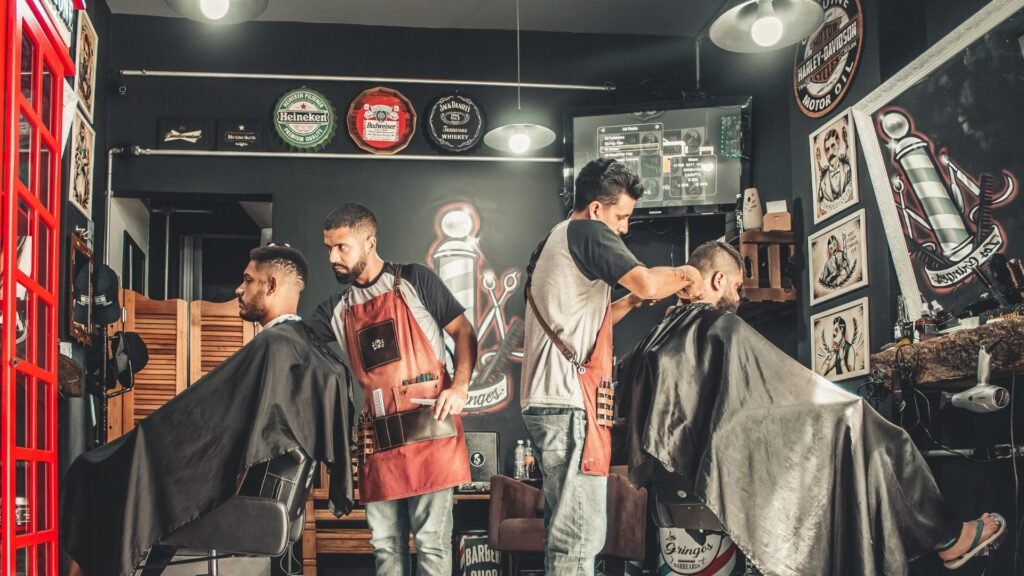
Barbershops tend to have a traditional, masculine, social atmosphere, while salons typically offer a quieter, more relaxed, spa-like environment.
The Social Ritual of the Barbershop
Walk into a traditional shop and you’ll likely hear sports talk, a little trash talk, and the steady buzz of clippers in the background. Barbershops have long served as community gathering spots, a tradition documented extensively in American cultural history, particularly within Black communities where barbershops became centers of mentorship and conversation.
The Calm of the Salon Experience
Salons generally lean toward a more tranquil experience: softer lighting, calming music, and a focus on relaxation. Many include amenities like scalp massages or consultations that take place before any cutting begins.
Table 6: Atmosphere Comparison
| Element | Barbershop | Salon |
| Noise Level | Louder, social | Quieter, calmer |
| Music Style | Sports talk, classic rock, hip hop | Ambient, lounge |
| Typical Decor | Vintage chairs, leather seating | Modern, minimalist |
| Social Interaction | High | Lower |
What Grooming Services Do Barbershops Offer Beyond Haircuts?
Barbershops commonly offer beard trims, hot towel shaves, line-ups, and head shaves, services built around traditional straight razor and clipper techniques.
The Hot Towel Shave Experience
There’s a reason men keep coming back for a hot towel shave. The heat opens the pores, softens the beard, and makes the razor glide smoother. A good barber applies the towel, follows with pre-shave oil, then works the straight razor against the grain in careful, practiced strokes. It’s part skill, part ritual.
Beard Sculpting and Line Work
Beard shaping has become one of the most requested services in modern barbershops. A skilled barber uses clippers, trimmers, and a straight razor to create clean lines along the cheek and neck that frame the face.
Table 7: Common Barbershop Services
| Service | Average Duration | Tools Used |
| Haircut | 20 to 30 minutes | Clippers, scissors |
| Beard Trim | 10 to 15 minutes | Trimmers, scissors |
| Hot Towel Shave | 20 to 30 minutes | Straight razor, hot towel |
| Line-Up | 5 to 10 minutes | Trimmer, edger |
What Styling Services Do Salons Offer Beyond Cutting?
Salons commonly offer color services, chemical treatments, blowouts, extensions, and scalp treatments designed to address a wide range of hair textures and goals.
Color Correction and Custom Blends
Stylists mix color formulas to match or transform a client’s natural shade, a process requiring careful calculation of tone, level, and undertone. This is chemistry applied to artistry.
Table 8: Common Salon Services
| Service | Average Duration | Skill Focus |
| Blowout | 30 to 45 minutes | Heat styling |
| Full Color | 2 to 3 hours | Color chemistry |
| Balayage | 2 to 4 hours | Hand-painted highlighting |
| Keratin Treatment | 2 to 3 hours | Chemical smoothing |
Barbershop vs. Salon: Which Is Better for Kids?
Barbershops are often better for boys’ haircuts because the shorter, simpler styles common among young boys align with a barber’s core skill set, while salons may better suit girls or children with longer hair needing styling versatility.
What Fathers Should Consider
Taking your son in for his first haircut is a milestone. A good barbershop knows how to handle a nervous kid, often with a cartoon playing and a little patience built into the process. It’s less about the complexity of the cut and more about the experience being painless for everyone involved.
Table 9: Kids’ Haircut Considerations
| Factor | Barbershop | Salon |
| Wait Time | Usually shorter | Can be longer |
| Price | Lower | Higher |
| Comfort for Nervous Kids | Generally strong | Varies |
| Styling Versatility | Limited | Broader |
How Do You Choose Between a Barbershop and a Salon for a Special Occasion?
Choose a barbershop for clean, classic looks like weddings or job interviews, and choose a salon if your occasion calls for color, intricate styling, or treatments like keratin smoothing.]
Wedding Day Grooming
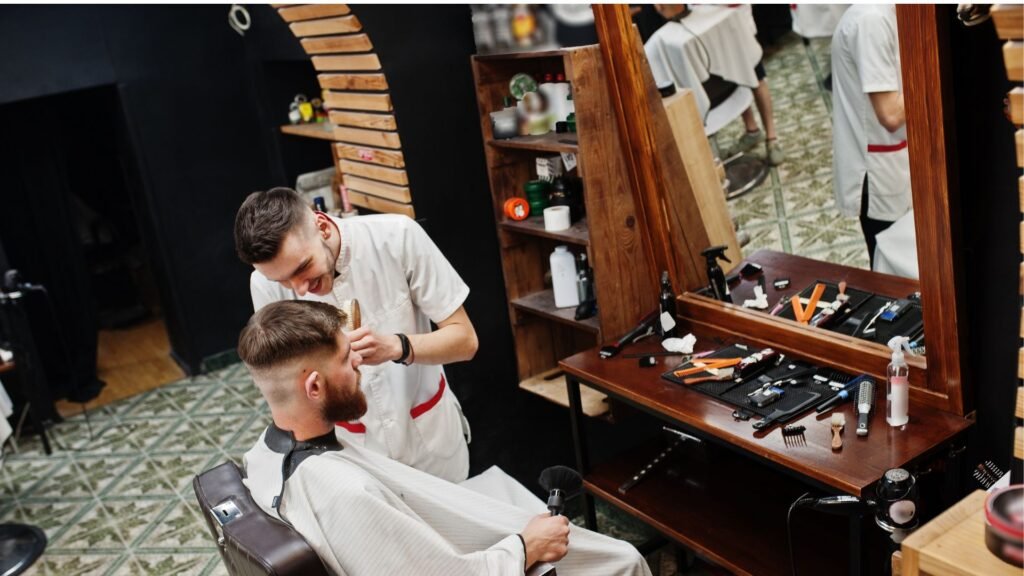
Grooms often book a barbershop appointment the morning of the wedding for a fresh line-up and shave. The ritual itself becomes part of wedding day tradition, calming nerves while sharpening appearance.
Table 10: Occasion-Based Recommendations
| Occasion | Recommended Choice | Reason |
| Job Interview | Barbershop | Clean, professional cut |
| Wedding | Barbershop | Classic look, shave option |
| Prom | Salon or Barbershop | Depends on style complexity |
| Photoshoot requiring color | Salon | Color expertise required |
Barbershop or Salon: Which Smells Better and Why It Matters
Barbershops are known for distinct, masculine fragrances built into the grooming ritual itself, often referred to as Barbershop Scents, including bay rum, talc, and aftershave, while salons typically favor lighter, floral, or neutral fragrances from hair and skin products.
Why Scent Shapes the Experience
Scent triggers memory faster than almost any other sense. That’s why walking into a shop filled with the smell of talc and aftershave instantly feels different than stepping into a salon scented with lavender oil. Both are pleasant. They just signal different experiences before you even sit in the chair.
How Do You Find a Good Barbershop or Salon Near You?
Finding a reliable barbershop or salon comes down to checking reviews, asking for recommendations, and visiting in person to gauge cleanliness and professionalism before booking.
What to Look for During a Walk-In Visit
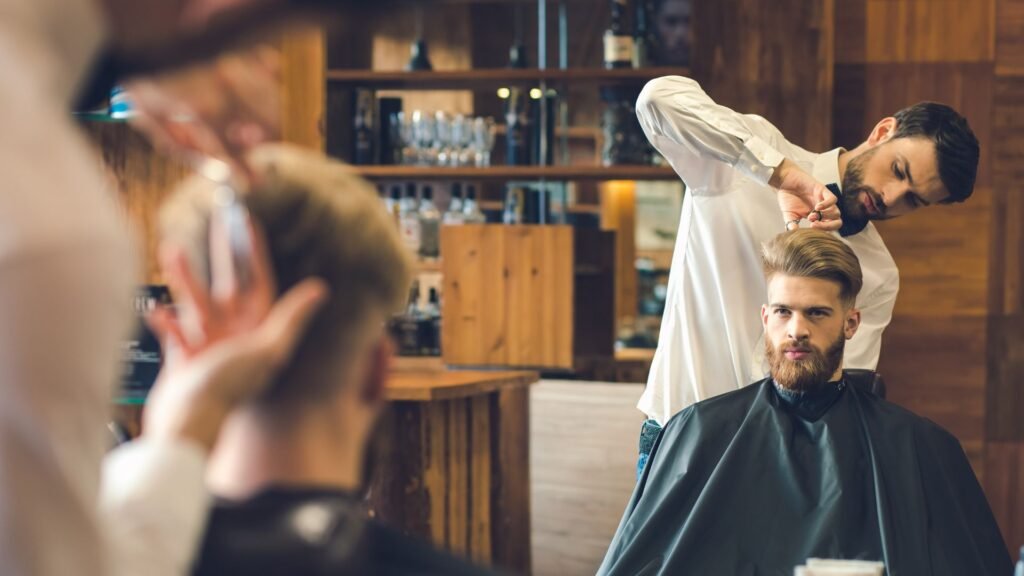
Pay attention to how clean the tools look, whether the barber or stylist asks questions about your preferences, and how confident they seem explaining their process. A quick search for a haircut near me will turn up dozens of options, but the right fit comes down to consultation and trust, not just proximity.
Table 11: Red Flags vs. Green Flags When Choosing a Shop
| Green Flag | Red Flag |
| Clean, sanitized tools | Visible rust or grime on tools |
| Consultation before cutting | No questions asked before starting |
| Consistent online reviews | Wildly inconsistent reviews |
| Willingness to show portfolio | Refusal to show past work |
Frequently Asked Questions
Is it cheaper to get a haircut at a barbershop or a salon?
Barbershops are typically cheaper for basic haircuts, with national averages running $25 to $35 compared to $45 to $75 at salons, largely because salon services involve more time and higher-cost products.
Can a barber color my hair?
Most barbers do not offer color services since their training focuses on cutting and shaving rather than chemical color work. Salons are better equipped for color due to specialized training and product inventory.
Do salons offer beard trims?
Some salons offer beard trims, but barbershops generally provide more precise beard shaping since barbers train specifically in razor and clipper techniques for facial hair.
Why do barbershops smell different from salons?
Barbershops traditionally use products like talc, bay rum, and aftershave that create distinct Barbershop Scents, while salons often favor lighter, floral, or neutral fragrances tied to hair care products.
Is a barbershop or salon better for a child’s first haircut?
Barbershops are often better suited for boys’ first haircuts due to shorter styles and experience handling nervous kids, while salons may be a better fit for children needing longer hair styled.
How long does a typical barbershop visit take compared to a salon visit?
A barbershop visit usually takes 15 to 45 minutes, while a salon visit can range from 45 minutes to several hours depending on the service, especially for color or chemical treatments.
Should I tip at a barbershop the same as a salon?
Tipping norms are similar at both, generally ranging from 15 to 20 percent of the total service cost, though some clients tip more for specialty services like hot towel shaves or color corrections.
Can I get a fade at a salon?
Some salons employ stylists cross-trained in barbering techniques who can execute a quality fade, but barbershops generally offer more consistent results due to concentrated clipper training.
What should I ask before booking at a new barbershop or salon?
Ask about the stylist or barber’s experience with your specific hair type, request to see examples of past work, and confirm pricing for the exact service you want before sitting down.
Final Thoughts: Picking the Right Chair for You
There’s no universal winner between a barbershop and a salon. The right choice depends on your hair, your goals, and the kind of experience you want walking through the door. If you want speed, tradition, and precision fading, a barbershop earns its keep. If you want color, chemical treatments, or styling versatility, a salon’s broader toolkit serves you better. Plenty of men use both, treating the barbershop as their go-to for maintenance and the salon as their stop for anything requiring color or specialty work. Know what you need before you sit down, and you’ll walk out satisfied every time.