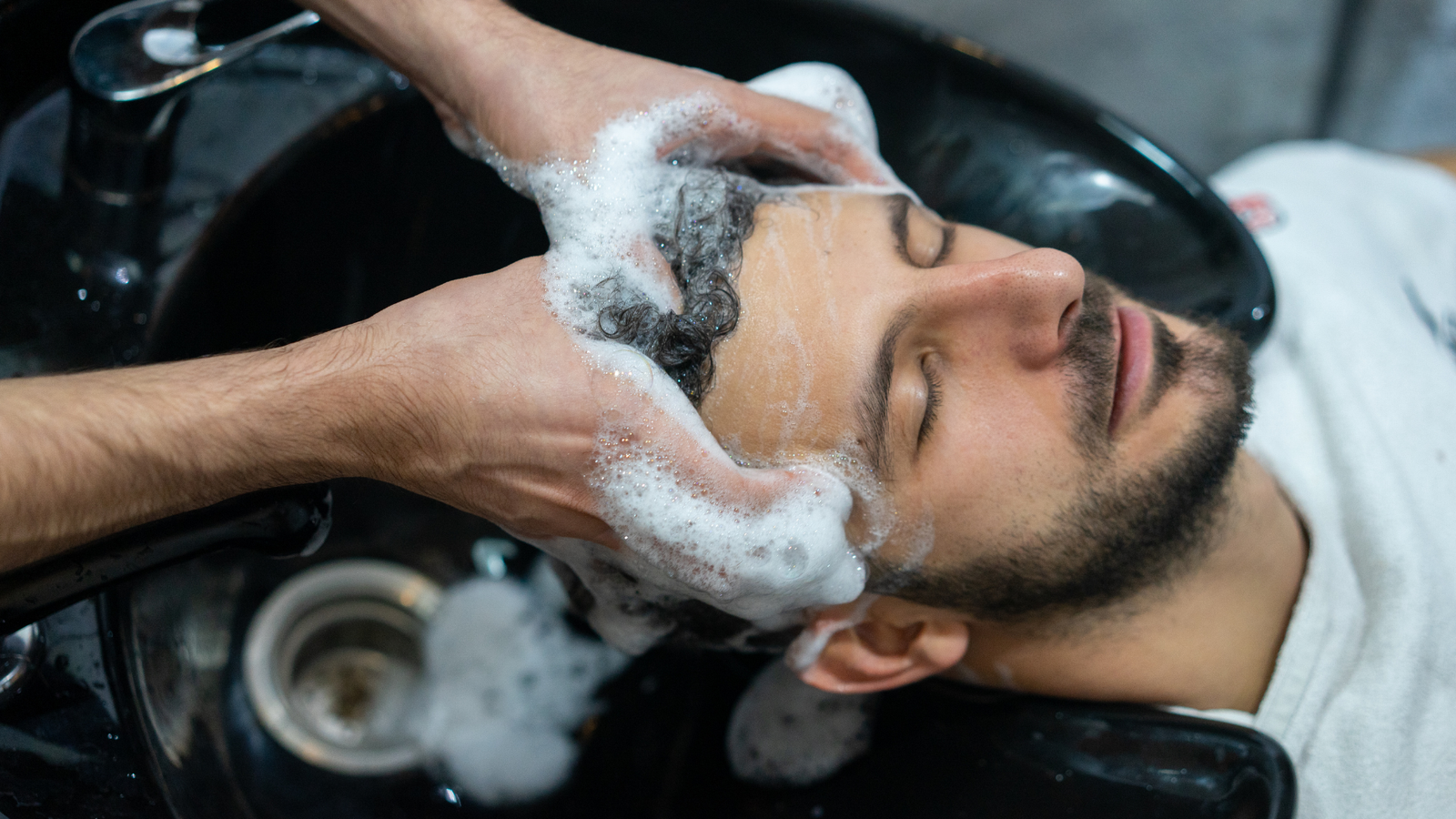
Walk into any good shop and you’ll notice something before you even sit in the chair: the smell of talc, the low buzz of clippers warming up, maybe a hot towel steaming on a rack near the sink. That atmosphere isn’t an accident. It’s built around getting your hair into the right condition for a clean, precise cut. And one of the most common questions guys ask, whether they’re booking their first appointment or their fiftieth, is simple: should you wash your hair before you go? The answer depends on your hair type, the style you want, and how your barber likes to work. This guide breaks down exactly when to wash, when to skip it, and what your hair should feel like the moment you sit down.
Key Takeaways
- Day-old hair with a light wash the night before gives most barbers the ideal texture to work with, since hair that’s too clean can be slippery and hard to control.
- Wet cutting suits fine, straight hair, while dry cutting works better for curly, coily, or textured hair because it shows exactly how the hair falls and behaves.
- Product buildup, excess oil, and dirty scalp conditions can dull your scissors and clippers, so a wash within 24 to 48 hours before your appointment is generally best practice.
- Kids, color-treated hair, and curly hair each have their own washing rules that differ from the standard advice.
- A quick pre-haircut checklist, covering washing, drying, and product use, can save you an awkward conversation in the chair and get you a better result.
Why Hair Washing Timing Matters for Every Haircut
The Barber’s Perspective on Clean vs. Dirty Hair
Ask any working barber what frustrates them most, and slick, over-washed hair often makes the list. Hair that’s been stripped of its natural oils that same morning tends to slide around under the comb, making it harder to see exactly how each section falls. On the flip side, hair that hasn’t been washed in a week carries oil, sweat, and product residue that can clog clippers and dull scissor blades faster than they should wear down. Timing your wash isn’t about vanity. It’s about giving your barber a fair shot at doing their best work.
How Wash Timing Affects the Final Look
A haircut isn’t just about removing length. It’s about how the hair sits once it’s cut, and that depends heavily on its natural texture at the time of cutting. Hair washed too recently often looks flatter and can spring into a different shape once your natural oils redistribute over the following day or two. This is why some cuts look slightly different the morning after your appointment than they did walking out of the shop. Your barber is cutting the hair you bring them, in the state it’s in, not the state it’ll settle into three days later.
The Myth of “Dirtier Is Always Better”
There’s a popular idea floating around that you should never wash your hair before a cut, full stop. It’s not entirely wrong, but it’s incomplete. A day or two of natural oil buildup can genuinely help with grip and visibility of texture. However, hair that’s gone unwashed for a week or more often becomes greasy enough to weigh down and mat, which actually makes it harder to read. The real rule isn’t “dirty is better.” It’s “recently washed but not freshly stripped” that tends to give the most workable canvas.
Getting this balance right sets the stage for everything else your barber does in the chair, which is why the actual biology behind clean versus dirty hair is worth understanding.
The Science Behind Clean vs. Dirty Hair for Cutting
What Natural Oils Do to Hair Texture
Your scalp produces sebum, a natural oil that coats each strand and adds weight, shine, and a bit of grip. Within 24 to 48 hours of washing, sebum has redistributed enough to give hair a more true-to-life texture without making it greasy. This is the window many stylists and barbers consider ideal. Hair in this state clumps together slightly, which actually helps a trained eye see natural partings, cowlicks, and growth patterns more clearly than squeaky-clean, freshly rinsed hair does.
How Cleanliness Affects Scissor and Clipper Performance
Dirty hair, especially hair loaded with heavy styling products like wax, pomade, or dry shampoo, can leave a sticky film on scissor blades and clipper guards. Over time, this buildup dulls the cutting edge and forces the tool to tug rather than glide through hair, which is uncomfortable for you and rough on the equipment. Clean, well-maintained hair lets blades move smoothly, and it’s part of why many shops will ask if you’ve washed recently before your appointment even begins.
The Role of Static and Moisture in Precision Cutting
Bone-dry, freshly washed hair, particularly if it’s fine or thin, can carry static electricity that makes strands fly up and stick out unpredictably. This makes precision work like fading or textured layering more difficult. A very slight amount of natural moisture and oil helps hair lie down and behave, which is one more reason barbers often prefer hair that’s a day removed from a full wash rather than hours removed from one.
Understanding the science is one thing. Knowing exactly when to plan your wash around your appointment is the practical question most guys actually want answered.
Should You Wash Your Hair the Night Before or the Morning Of?
The Case for Washing the Night Before
Washing the evening before your appointment is the timing most frequently recommended across the industry. It gives your scalp roughly 12 to 16 hours to redistribute natural oils, so you arrive with clean hair that isn’t stripped or overly slick. You also walk in without wet spots, product residue, or that “just showered” static that can throw off a cut. For most straight and wavy hair types, this timing hits the sweet spot between clean and workable.
The Case for Washing the Morning Of
Some guys prefer a same-day wash, particularly if they have very oily scalps or if their appointment is later in the day after a workout or long shift. If you do wash the morning of, try to do it several hours before your appointment rather than right before you walk out the door. This gives your hair time to dry fully and settle, so you’re not showing up dripping wet or with hair still clinging together from moisture.
What Most Barbers Actually Recommend
When you ask professionals directly, the most consistent advice is a wash within 24 hours of your appointment, ideally the night before. This avoids both extremes: the greasy buildup of a week-old wash and the slick, stripped feel of hair washed an hour ago. If you’re unsure, a quick text or call to your shop ahead of time can clear it up, since some barbers have specific preferences based on how they like to work.
While timing your wash correctly helps, showing up with soaking wet hair creates its own set of problems that are worth understanding on their own.
What Happens If You Show Up With Freshly Washed, Wet Hair?

Why Wet Hair Can Mislead the Cutting Process
Wet hair looks longer, lies flatter, and clumps together in ways that don’t reflect how it will actually sit once dry. A barber cutting purely on wet hair, especially for textured or layered styles, risks cutting too short because the hair springs up or shrinks once it dries. This is a common reason guys leave the chair happy with a wet cut, only to be surprised by a shorter, different-looking style once they towel off and style it at home.
The Shrinkage Problem in Curly and Wavy Hair
Curly and coily hair can shrink anywhere from 20 to 75 percent in visible length once it dries, depending on the curl pattern. That’s a massive difference, and it’s why many curl specialists insist on cutting curly hair dry, or at minimum, checking the shape once it’s dried partway through the appointment. Cutting curly hair while soaking wet without accounting for shrinkage is one of the most common causes of an uneven or overly short result.
When Wet Hair Is Actually the Right Call
Wet cutting isn’t always the wrong move. For fine, straight hair, especially when a barber is doing detailed scissor work or a classic blunt cut, wet hair can actually make it easier to achieve clean, even lines. The key is knowing which cutting method suits your hair type, which is exactly the distinction covered next.
Dry Cutting vs. Wet Cutting: What’s the Difference?
How Dry Cutting Works and Who It’s Best For
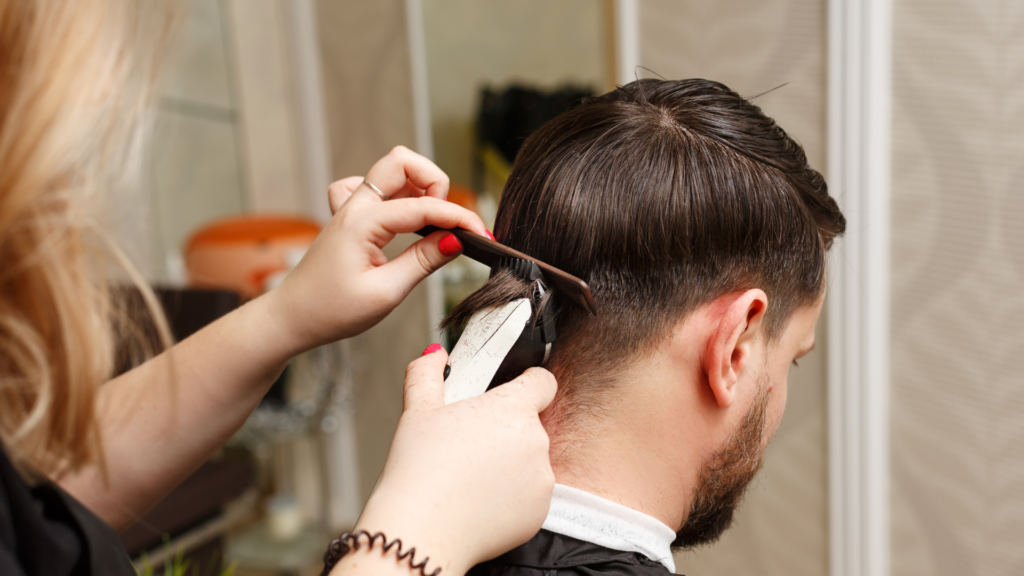
Dry cutting means shaping the hair while it’s completely dry, allowing the barber to see the exact fall, movement, and shrinkage of each section in real time. This method is especially popular for curly, coily, and highly textured hair, since it removes the guesswork around how much the hair will shrink or spring once wet hair dries. Many modern curl-focused stylists cut exclusively dry for this reason.
How Wet Cutting Works and Who It’s Best For
Wet cutting is the traditional approach most people picture: hair combed flat and cut while damp, often using scissors for precision work. It works especially well on straight or slightly wavy hair, where there’s minimal shrinkage between wet and dry states. Wet cutting also allows a barber to create very clean, blunt lines that can be harder to achieve on dry hair.
Comparing the Two Techniques Side by Side
| Factor | Dry Cutting | Wet Cutting |
| Best for hair type | Curly, coily, highly textured | Straight, fine, slightly wavy |
| Accuracy of final length | Shows true fall and shrinkage | Can appear longer than final dry result |
| Common tools | Scissors, sometimes clippers | Scissors, combs, sectioning clips |
| Risk of over-cutting | Lower for textured hair | Higher for curly or coily hair |
| Typical use case | Curl shaping, texture work | Classic cuts, blunt lines, tapers |
Once you understand the cutting method that suits your hair, the next logical step is figuring out how your specific hair type should influence your washing routine.
How Different Hair Types Change the Washing Rule
Straight and Fine Hair
Straight, fine hair tends to show oil buildup quickly, sometimes within a day of washing. For this hair type, a wash the night before an appointment is usually ideal, since fine hair washed too far in advance can look limp and greasy in the chair. Fine hair also benefits most from wet cutting, since there’s little difference between its wet and dry length.
Wavy and Curly Hair
Wavy and curly hair holds onto moisture and oil longer than straight hair, and it’s more prone to frizz when over-washed. A wash one to two days before your appointment, paired with a leave-in conditioner, often gives the healthiest, most representative texture. If your barber cuts curls dry, make sure your curls are styled the way you normally wear them, not freshly washed and unstyled, so the natural pattern is visible.
Thick, Coarse, and Coily Hair
Thick and coily hair types can go longer between washes without looking oily, sometimes three to five days, since natural oils have a harder time traveling down thicker strands. For these hair types, arriving with your usual routine intact, rather than a special pre-appointment wash, often gives your barber the truest sense of how your hair naturally behaves day to day.
Hair type is only part of the picture. What’s sitting on top of your hair, in the form of product and buildup, matters just as much.
What About Product Buildup, Oils, and Scalp Health?
How Styling Products Affect a Haircut
Heavy waxes, pomades, and gels can coat individual strands and make hair look thicker or thinner than it actually is, which throws off a barber’s read on density and texture. If you use a lot of product daily, it’s worth washing thoroughly within a day or two of your appointment so your barber is working with your real hair, not a styled version of it.
Reading Your Scalp Before You Book
A flaky, irritated, or excessively oily scalp isn’t just a cosmetic issue. It can affect how comfortable a haircut feels and how well certain tools, like clippers used for a skin fade, glide against your scalp. If you’re dealing with dandruff or scalp buildup, a gentle clarifying wash before your appointment can make the whole experience more comfortable for you and easier for your barber.
The Case for a Pre-Cut Clarifying Wash
A clarifying shampoo, used once every week or two rather than daily, strips away product buildup, hard water mineral deposits, and excess oil without over-drying hair. Using one the night before a haircut, followed by a light conditioner, can give you the cleanest possible starting point without the slickness of a same-day wash. Many shops now sell their own version of this kind of wash, sometimes bundled with grooming lines under names like Barbershop Scents, designed specifically to prep hair the way a barber prefers.
While your at-home routine matters, plenty of shops handle the washing step for you as part of the appointment itself, and that ritual has a history worth knowing.
The Barbershop Ritual: Why Some Shops Wash Your Hair For You
The History of the Shampoo Station in Barbering
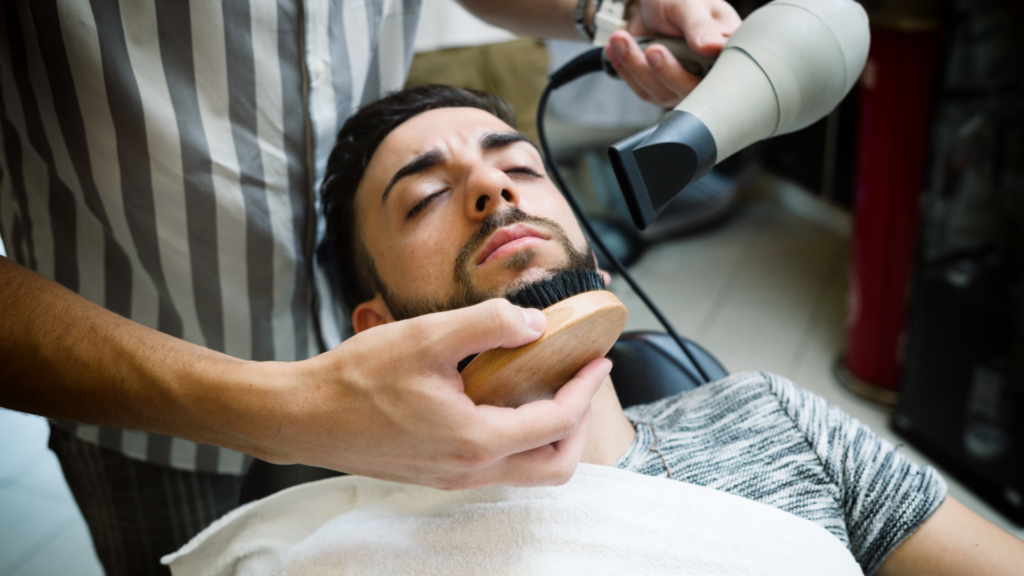
The shampoo station has been part of the barbershop experience for well over a century, evolving from simple basin washes to today’s reclining chairs with built-in neck rests and warm water systems. Traditional barbershops built their reputations not just on cuts but on the full experience, including a proper wash, a hot towel, and often a straight razor shave around the neckline to finish the job. That ritual survives today because it works, both practically and as a moment of relaxation before the real cutting begins.
What a Barber Learns From Washing Your Hair
When a barber washes your hair themselves, they get direct, hands-on information about your scalp condition, hair density, and how your hair falls when wet versus how it naturally sits. This is genuinely useful data that shapes decisions they’ll make once you’re in the chair. It’s not just pampering, though it certainly feels that way with warm water and a good scalp massage.
The Sensory Experience and Why It Matters
There’s a reason people describe a great barbershop visit in sensory terms: the smell of shaving cream, the warmth of a towel against your neck, the satisfying click of steel scissors opening and closing. This atmosphere isn’t just tradition for tradition’s sake. A relaxed client sits still, holds his head at a natural angle, and generally makes for an easier, more accurate haircut. The ritual and the result are more connected than most people realize.
Not every client fits the standard advice, though, and a few groups have washing rules of their own worth calling out specifically.
Special Cases: Kids, Curly Hair, and Color-Treated Hair
Washing Rules for Kids’ Haircuts
Kids’ hair is often finer and thinner than adult hair, and children are usually less tolerant of sitting still through a long, involved routine. A simple wash the night before, without heavy conditioner or product, usually gives a barber a clean, easy-to-manage canvas without adding the extra step of a shampoo at the shop, which can sometimes overwhelm younger kids.
Washing Rules for Curly and Textured Hair
As covered earlier, curly and coily hair shrinks significantly when it dries, so showing up with your curls in their natural, everyday state, rather than freshly washed and undefined, usually gives the most accurate cutting experience. If your curls are normally styled with a specific product, wearing that same routine to your appointment helps your barber see exactly what you’re working with day to day.
Washing Rules for Color-Treated or Chemically Processed Hair
Color-treated, bleached, or chemically relaxed hair is more porous and fragile than untreated hair, and over-washing can strip color faster or increase breakage risk. For these hair types, stretching the wash to two or three days before an appointment, using a sulfate-free and color-safe shampoo, protects both the hair’s integrity and its color vibrancy while still arriving reasonably clean.
With all these variables covered, it helps to have one simple, repeatable checklist you can run through before any haircut, regardless of hair type.
Your Pre-Haircut Checklist: What To Do the Day Of
The Night Before Routine
Wash your hair with your regular shampoo, and consider a lightweight conditioner if your hair tends toward dryness. Avoid heavy leave-in products or oils that could weigh hair down or leave residue. Let your hair air dry or blow dry it as you normally would, since arriving with your usual, everyday texture is generally more useful to a barber than arriving freshly showered.
The Morning Of Routine
On the day of your appointment, skip a second wash unless your scalp is genuinely oily by nature. A light comb-through or your usual styling routine is fine, but avoid loading up on new products you don’t normally use, since that can change how your hair looks and behaves compared to your regular day-to-day appearance.
What To Bring Up With Your Barber Before They Start
Mention any relevant details before the cutting starts: when you last washed, whether you have a sensitive scalp, any skin conditions, or specific concerns about length and shrinkage if you have curly or coily hair. A quick thirty-second conversation at the start of your appointment can prevent miscommunication and help your barber tailor the cut to exactly how your hair behaves, not just how it looks in that moment.
Frequently Asked Questions
Is it bad to wash your hair right before a haircut?
Washing immediately before your appointment isn’t disastrous, but it can leave hair slick, static-prone, and harder to read accurately. If possible, wash the night before instead so your hair has time to settle into its natural texture.
How many days should you go without washing before a haircut?
For most hair types, one to two days without washing strikes the right balance between clean and workable. Thicker or coilier hair types can often go three to five days without issue, since oil travels more slowly down coarser strands.
Should curly hair be washed before a haircut?
Yes, but it should be styled the way you normally wear it rather than freshly washed and left undefined. Many curl specialists prefer to cut hair dry and in its natural, everyday pattern to accurately account for shrinkage.
Does dirty hair make a haircut harder?
Extremely dirty or product-laden hair can clog clippers and dull scissors over time, and it can also mask your hair’s true texture and density. A day or two of natural oil is helpful, but a week or more of buildup usually isn’t.
Why do some barbers wash your hair before cutting it?
Washing at the shop lets a barber directly assess your scalp condition and hair behavior when wet, and it’s part of a long-standing barbershop tradition that also includes hot towels and finishing touches like a straight razor shave.
Can wet hair make a haircut turn out shorter than expected?
Yes, especially for curly or wavy hair, which can shrink significantly as it dries. If your barber cuts primarily on wet hair without accounting for this, the finished result can end up shorter than intended once it fully dries.
Should you condition your hair before a haircut?
A light conditioner the night before is generally fine and can even help reduce static and frizz. Avoid heavy, deep-conditioning treatments right before your appointment, since overly soft or slippery hair can be harder to cut precisely.
Conclusion
The honest answer to “when should you wash your hair before a haircut” isn’t a single universal rule. It’s a decision shaped by your hair type, the cutting method your barber prefers, and how your scalp naturally behaves day to day. For most guys with straight or wavy hair, a wash the night before hits the mark. For curly, coily, or color-treated hair, stretching that window out and communicating clearly with your barber matters more than hitting an exact number of hours. The next time you book an appointment, run through the checklist above, and don’t be afraid to ask your barber directly what they prefer. It’s a small step that leads to a noticeably better cut.