
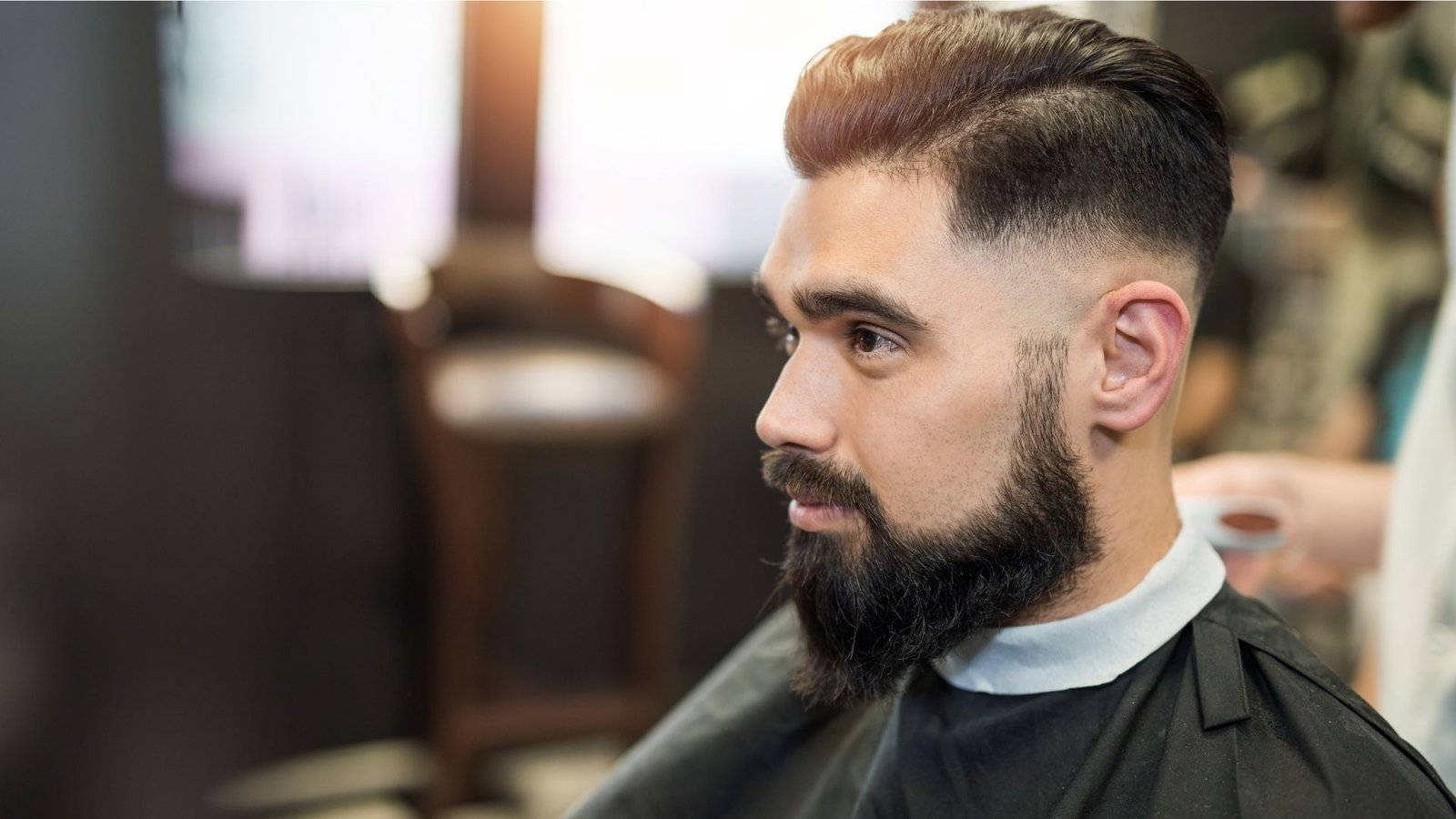
Quick answer: You maintain a fresh line up between appointments by using the right tools (a T-blade trimmer, not a full-size clipper), touching up only your natural hairline every 5 to 7 days, moisturizing the skin daily to prevent bumps, and knowing when a touch up job is beyond your bathroom mirror. Hair type, growth rate, and lifestyle all shape how often you’ll need to step in.
I’ve been standing behind a chair for over twenty years now. I’ve seen every hairline walk through that door, sharp ones, blown out ones, and the ones where a guy tried to fix his own edges with a disposable razor and a prayer. The talc dust still hangs in the air of my shop most afternoons, clippers buzzing in the background, hot towels steaming on the rack. That’s my world, and I’ve learned a few things about what keeps a line up looking fresh long after you’ve left my chair.
A line up isn’t just a haircut detail. It’s the frame around your face. When it’s crisp, everything about your look reads sharp, put together, intentional. When it grows out and blurs at the edges, the whole cut starts to look tired, even if the top is still perfect. That’s the part most guys don’t understand until they’ve lived it.
This guide is everything I tell my regulars when they ask how to stretch the time between visits without looking like they’ve given up. We’ll cover the tools worth owning, the technique that actually works, the skin care nobody talks about enough, and the honest math on when a touch up at home makes sense versus when you should just book the appointment. No fluff, no gimmicks, just what works.
What a Line Up Actually Is (And Why It Fades So Fast)
The Anatomy of a Line Up Haircut
A line up, sometimes called an edge up, is the sharp, defined border a barber cuts along the hairline, typically around the forehead, temples, and sideburns. It’s the difference between a haircut that just ends and one that looks finished. The line itself is usually created with a T-blade trimmer or straight razor, following the natural shape of your hairline while cleaning up any stray hairs that fall outside that shape.
What makes a line up distinct from the rest of the cut is precision. We’re not blending or fading here. We’re drawing a boundary. The sharper and straighter that boundary, the crisper the whole look reads. That’s why even guys with a basic fade or a simple crop still get a line up. It’s the finishing touch, the same way a tailor presses a suit before it leaves the shop.
Why Hair Growth Ruins Your Edges First
Here’s something most guys never think about until I explain it in the chair: your hairline grows out before the rest of your cut even looks shaggy. That’s because the line up is cut so close and so precise that even a millimeter of regrowth is visible. A fade can drift a little and still look intentional. A line up cannot. Once those baby hairs start poking past the edge, the whole thing looks soft and undefined.
This is simple biology, not bad luck. The hair along your temples and forehead grows at roughly the same rate as the rest of your scalp, but because it was cut so tight in the first place, that growth becomes visible within days rather than weeks. According to the American Academy of Dermatology, the average scalp hair grows about half an inch per month. That may not sound like much, but along a razor sharp line, even a few days of growth is enough to soften the edge and make it look like you’re overdue.
The Science of Hair Growth Cycles and Edge Density
Every hair on your head is cycling through three phases: anagen (growth), catagen (transition), and telogen (resting and shedding). At any given time, most of your scalp hair, roughly 85 to 90 percent according to dermatological research, sits in the anagen growth phase. That’s why hair along your edges doesn’t just look longer day to day, it also gets denser as dormant follicles cycle back into active growth.
This matters for line up maintenance because it means your edge isn’t just growing longer, it’s also filling back in. Those fine, wispy hairs that show up 4 to 5 days after a cut aren’t stray hairs that got missed. They’re new growth cycling in. Understanding this helps you set realistic expectations. You’re not trying to stop growth, you’re managing it.
How Long a Fresh Line Up Really Lasts
Hair Growth Rates by Hair Type
Not all hair grows or reveals regrowth the same way. Straight hair tends to show regrowth fastest because there’s no curl pattern to disguise it. Curly and coily hair can sometimes mask a few extra days of growth because the curl pattern obscures the new hair before it becomes visible at the root.
| Hair Type | Average Growth Rate | Line Up Visibility Window |
| Straight | 0.5 inch/month | 3 to 5 days |
| Wavy | 0.5 inch/month | 4 to 6 days |
| Curly | 0.4 to 0.5 inch/month | 5 to 8 days |
| Coily/4C | 0.3 to 0.4 inch/month | 7 to 10 days |
These are averages, not guarantees. Genetics, hormones, age, and even the season can shift your personal growth rate. But this gives you a baseline for setting your own maintenance schedule.
Lifestyle Factors That Speed Up Fade
It’s not just hair growth that wears down a line up. Sweat, friction, and grooming habits all play a role. Guys who work out daily, wear hats regularly, or sleep on rough pillowcases tend to see their edges soften faster, partly from actual hair growth and partly from the hairline getting rubbed and disturbed. Frequent face touching, shaving nearby, and even skin dryness can make a sharp edge look less defined even before significant regrowth happens.
Stress and diet matter too. Poor sleep and high stress levels have been linked to disrupted hair growth cycles, though the science here is still developing. What I can tell you from two decades of cutting hair is that guys going through rough patches in life often show up with hairlines that look different, patchier, slower to fill in, more irregular.
How to Read When Your Line Up Needs Attention
You don’t need a mirror obsession to know when it’s time. Run your fingers along your hairline. If you feel stubble outside the original line, that’s your first sign. Visually, look for a soft, fuzzy border instead of a crisp one. Another tell is when your line up starts to look uneven, one side sharper than the other, because growth rates can vary slightly across your own head.
The Right Tools for At Home Edge Maintenance
Trimmers vs Clippers: What You Actually Need
This is the most common mistake I see. Guys buy a full-size clipper thinking it’ll do everything, then wonder why their line up looks chewed up instead of sharp. Clippers are built for bulk cutting, blending, and fading larger sections of hair. They’re not designed for the fine, close precision work a line up demands.
| Feature | Clippers | Trimmers |
| Primary use | Bulk cutting, fading | Detail work, edges, lines |
| Blade size | Wider | Narrower, often T-blade |
| Precision | Moderate | High |
| Best for line ups | No | Yes |
| Best for full haircuts | Yes | No |
If you’re only maintaining edges between appointments, a quality trimmer is the tool you need. Save the clipper purchase for guys who are cutting their own hair entirely, which is a different conversation altogether.
T-Blade Trimmers and Why They Matter for Line Ups
A T-blade trimmer has an exposed cutting edge on both sides of the blade, letting you get flush against the skin for a sharp, clean line. This is standard equipment in every professional shop for a reason. Standard trimmer blades, by comparison, are often guarded on one side, which limits how close and precise you can get.
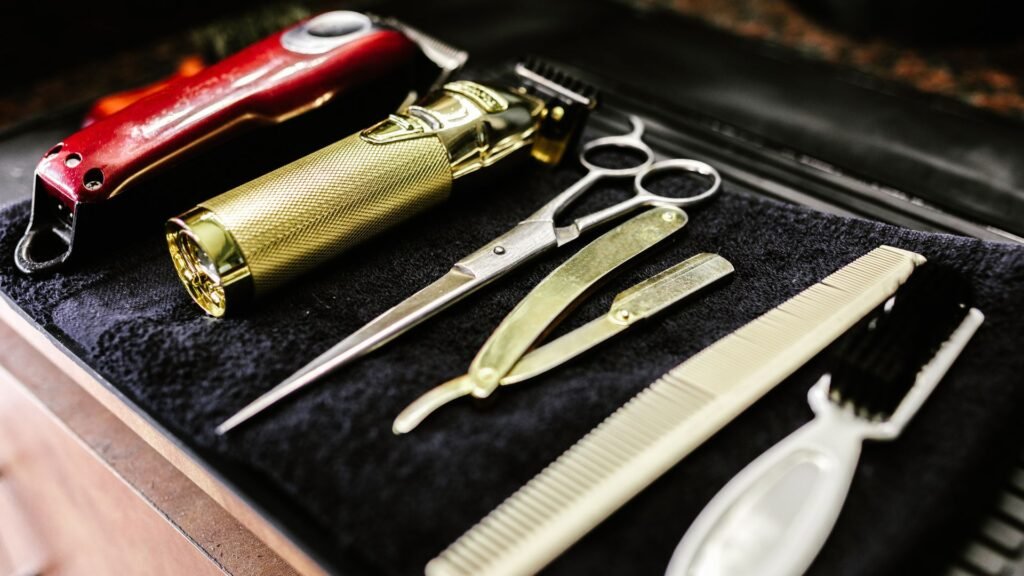
For at home use, look for a T-blade trimmer with adjustable blade tension and a strong motor. Cheap trimmers with weak motors tend to pull hair instead of cutting cleanly, which leads to irritation and uneven lines. This is one area where spending a bit more up front saves you frustration and skin problems down the line.
Razors, Guards, and Precision Tools Breakdown
Some guys prefer a straight razor or a safety razor for the final edge, especially along the front hairline where an extra sharp finish is desired. Razors give the cleanest possible line but come with a steeper learning curve and higher risk of nicks if you’re not experienced. Guards, on the other hand, are useful for guys who want a slightly softer edge or who are still building confidence with a trimmer.
| Tool | Precision | Skill Required | Risk of Irritation |
| T-blade trimmer | High | Moderate | Low to moderate |
| Straight razor | Very high | High | Moderate to high |
| Guarded trimmer | Moderate | Low | Low |
| Disposable razor | Low | Low | High |
My advice for beginners is always the same: start with a T-blade trimmer, get comfortable with the motion, and only move toward a razor once you’ve built confidence and a steady hand.
Tool Maintenance and Hygiene
Your trimmer needs care just like your hairline does. Blades dull with use, and a dull blade pulls hair rather than slicing it cleanly, which is a fast track to razor bumps and irritation. Clean the blade after every use with a small brush to remove hair debris, apply blade oil regularly to keep it running smoothly, and disinfect with a barbicide solution or alcohol wipe to prevent bacterial buildup.
| Maintenance Task | Frequency |
| Clean blade of hair debris | After every use |
| Oil blade | Every 2 to 3 uses |
| Disinfect with alcohol or barbicide | Weekly |
| Replace blade | Every 6 to 12 months with regular use |
Skipping this maintenance is how guys end up with irritated skin and trimmers that stop cutting cleanly within a few months.
Step-by-Step: How to Touch Up Your Own Line Up at Home
Preparing Your Skin and Hair Before Trimming
Never trim on dry, unprepped skin. Wash your face and hairline first to remove oil and product buildup. Dry hair cuts differently than damp hair, and for line ups specifically, dry hair is actually preferred because damp hair can shift the visible hairline and lead to an uneven cut. Let your hair air dry completely, then comb it into its natural resting position before you pick up the trimmer.
Mapping Your Natural Hairline Before You Cut
This is where most self-inflicted mistakes happen. Guys get impatient and start trimming before they’ve actually identified where their natural hairline sits. Use a comb to trace your existing line up from your last barbershop visit. Do not try to create a new shape or move the line forward or back. Your job here is maintenance, not redesign. Leave shape changes to your barber.
The Actual Trimming Technique for Edges and Temples
Hold the trimmer at a slight angle, almost flat against the skin, and use short, controlled strokes rather than long sweeping motions. Work in small sections. Start at the center of your forehead and move outward toward the temples, following the curve you’ve already mapped. Go slow. You can always trim more, but you can’t put hair back once it’s gone.
For temples specifically, follow the natural angle of the hair growth rather than cutting a straight horizontal line, which tends to look unnatural. Blend slightly into the sideburn area rather than leaving a harsh stop.
Cleaning Up the Neckline
The neckline is the second most neglected area after the front hairline. Use a mirror setup (a handheld mirror facing a wall mirror works well) to see the back of your neck clearly. Trim along the natural taper your barber created, staying conservative. Most guys don’t need to touch the neckline more than once between full barbershop visits, since it grows in less noticeably than the front hairline.
Common Mistakes Beginners Make and How to Avoid Them
The most common mistakes I see are over trimming, using too much pressure, and rushing the process. Over trimming happens when guys keep going back over the same spot trying to make it “perfect,” which usually just makes the line thinner and less defined. Too much pressure with the trimmer can nick the skin or create an uneven cut.
| Mistake | Why It Happens | Fix |
| Over trimming | Chasing perfection | Trim once, step back, assess before touching up again |
| Crooked lines | Rushing or poor angle | Use a mirror at eye level, go slow |
| Skin irritation | Dull blade or too much pressure | Maintain blade, use light pressure |
| Wrong shape | Trying to redesign the line | Only maintain the existing shape |
Skin Care and Scalp Health Between Appointments
Why the Skin Under Your Line Up Matters
A sharp line up means nothing if the skin underneath is irritated, bumpy, or inflamed. The skin along your hairline and temples takes a lot of abuse between the clippers, the trimmers, and daily friction from hats or sweat. Taking care of that skin is just as important as the cut itself.
Razor Bumps, Ingrown Hairs, and How to Prevent Them
Razor bumps happen when a cut hair curls back into the skin as it regrows, triggering inflammation. This is especially common for guys with curly or coily hair. Prevention starts with cutting in the direction of hair growth, keeping your blade sharp, and avoiding overly close cuts along sensitive areas.
If you already deal with ingrown hairs, using a gentle exfoliating scrub two to three times a week can help clear dead skin that traps hairs. Avoid picking at bumps, which almost always makes things worse and can lead to scarring.
Moisturizing and Exfoliating Your Hairline
Dry skin along the hairline makes irritation worse and can even make your line up Haircuts look less crisp because flaky skin distorts the visual edge. A light, non-comedogenic moisturizer applied daily keeps the skin supple. Exfoliating once or twice a week removes dead skin buildup without over-stripping natural oils.
Products That Help vs Products That Hurt
| Helps | Hurts |
| Alcohol-free aftershave balm | High-alcohol aftershave splash |
| Fragrance-free moisturizer | Heavy fragrance lotions on sensitive skin |
| Gentle exfoliating scrub | Harsh physical scrubs with large granules |
| Non-comedogenic products | Heavy pore-clogging oils |
The Best Products for Maintaining a Sharp Line Up
Edge Control Products: Gels, Pomades, and Waxes Compared
| Product | Hold | Shine | Best For |
| Gel | High | High | Straight to wavy hair, sharp defined edges |
| Pomade | Medium to high | Medium to high | Classic looks, slicked styles |
| Wax | Medium | Low to medium | Textured styles, matte finish |
Gels tend to give the crispest edge definition, which is why many barbers reach for them right after a line up. Pomades offer a more classic, groomed finish with slightly less rigid hold. Waxes work best for guys who want texture rather than a slicked down look.
Aftershave Balms and Bump Prevention Serums
Aftershave balms with soothing ingredients like aloe vera or witch hazel help calm skin after trimming without the sting of alcohol-based products. Bump prevention serums, often containing salicylic acid or glycolic acid in low concentrations, help keep pores clear and reduce the chance of ingrown hairs forming along the hairline.
Ingredient Breakdowns: What to Look for and What to Avoid
| Look For | Avoid |
| Aloe vera | High concentration alcohol |
| Witch hazel | Synthetic fragrance overload |
| Salicylic acid (low %) | Harsh sulfates |
| Glycerin | Petroleum-heavy formulas for daily use |
Budget vs Premium Product Comparison
| Category | Budget Option | Premium Option | Real Difference |
| Trimmer | $30 to $50 | $150 to $250 | Motor strength, blade durability |
| Edge gel | $5 to $10 | $20 to $30 | Ingredient quality, hold consistency |
| Aftershave | $8 to $12 | $25 to $40 | Skin soothing ingredients, fragrance quality |
Budget products can absolutely get the job done for casual maintenance. Premium products tend to shine in consistency and skin comfort over long term daily use.
Hair Type Matters: Maintenance Strategies by Texture
Straight Hair and Line Up Upkeep
Straight hair shows regrowth fastest and benefits from more frequent light touch ups, often every 4 to 5 days, using a light touch with the trimmer since there’s little curl to disguise mistakes.
Wavy and Curly Hair Edge Care
Wavy and curly hair has a bit more forgiveness since the texture naturally blurs sharp lines slightly, but it also requires more careful attention to ingrown hair prevention due to the curl pattern.
Coily and 4C Hair: Special Considerations for Line Ups
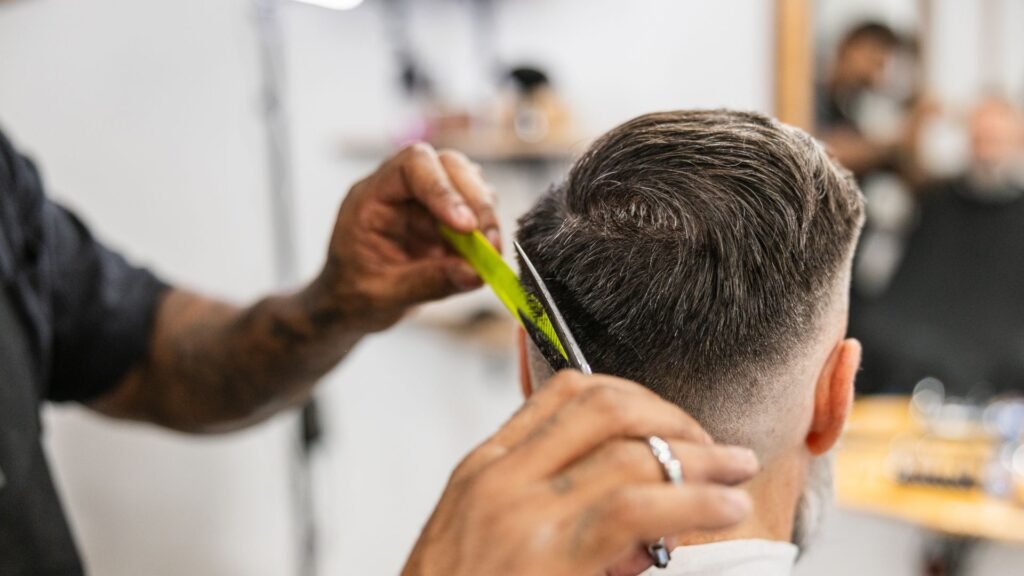
Coily and 4C hair is more prone to razor bumps and ingrown hairs, so trimming technique and skin care matter even more here. Many barbers recommend cutting slightly less close along the edge and prioritizing skin care between visits.
Mixed Textures and Blended Hairlines
Guys with mixed texture hair, common in multiracial hair types, often need a blended approach, adjusting technique across different sections of the same hairline rather than treating it as one uniform texture.
| Hair Type | Recommended Touch Up Frequency | Key Focus |
| Straight | Every 4 to 5 days | Precision |
| Wavy | Every 5 to 6 days | Balance |
| Curly | Every 6 to 8 days | Ingrown prevention |
| Coily/4C | Every 7 to 10 days | Skin care |
The Cost of Keeping Your Line Up Fresh
Barbershop Touch Up Pricing Across the US
| Region | Average Touch Up Price |
| Northeast | $15 to $25 |
| South | $10 to $20 |
| Midwest | $10 to $18 |
| West Coast | $15 to $30 |
Prices vary by shop reputation and city, but these ranges reflect typical touch up pricing at most standard barbershops.
At Home Tool Investment vs Long Term Barbershop Costs
| Approach | Upfront Cost | Cost Over 1 Year |
| At home trimmer setup | $50 to $150 | $50 to $150 (one time) |
| Weekly barbershop touch ups | $0 upfront | $780 to $1,560 |
The math clearly favors at home maintenance for guys touching up frequently, though it doesn’t replace the value of a full barbershop cut and shape up periodically.
When It Is Worth Paying for Professional Maintenance
At home maintenance works well for simple upkeep between visits, but reshaping, correcting an uneven line, or dealing with significant skin issues is always worth a professional visit. Trying to fix a botched line up yourself often turns a small problem into a bigger one.
How Often Should You Be Visiting the Barbershop?
Visit Frequency by Hair Type and Style
Most guys benefit from a full barbershop visit every 2 to 4 weeks, with at home touch ups filling the gaps in between. Sharper, more detailed styles tend to need more frequent professional visits than looser, more textured cuts.
Signs You Have Waited Too Long
If your line up Haircut has completely blurred, if your fade has grown out into one uniform length, or if your neckline is noticeably shaggy, it’s time to book an appointment rather than attempt a full correction at home.
Building a Maintenance Schedule With Your Barber
Talk to your barber about your lifestyle and hair growth rate. A good barber will help you build a realistic schedule rather than pushing you toward more visits than you actually need.
Mistakes That Wreck Your Line Up Between Visits
Over Trimming and Crooked Lines
Chasing perfection with repeated trims almost always backfires, thinning out the line and creating unevenness.
Skipping Moisturizer and Causing Skin Damage
Dry, irritated skin undermines even the sharpest cut and makes future trims more uncomfortable.
Using the Wrong Tools for Your Hair Type
A tool that works well for straight hair might cause irritation for coily hair, and vice versa. Match your tools to your texture.
Ignoring the Neckline
A sharp front hairline paired with a shaggy neckline looks unfinished. Don’t neglect the back just because it’s harder to see.
Expert Barbershop Tips and Insider Tricks
What Professional Barbers Do That Clients Don’t
Professional barbers use consistent angles, sharp blades, and proper lighting every single time. At home, most guys skip proper lighting, which is one of the biggest reasons DIY line ups turn out crooked.
Industry Trends in Line Up Styles and Edge Work
Sharper, more geometric line ups have become increasingly popular alongside skin fades, with many clients requesting cleaner, straighter edges rather than rounded natural hairlines.

How to Communicate Your Maintenance Needs to Your Barber
Be specific. Tell your barber how often you plan to touch up at home so they can shape your line with that in mind, sometimes adjusting slightly to make at home maintenance easier for you.
Building Your Complete Line Up Maintenance Routine
Daily Habits for Edge Longevity
| Habit | Purpose |
| Moisturize hairline | Prevent dryness and irritation |
| Avoid excessive touching | Reduce friction and oil transfer |
| Gentle cleansing | Remove sweat and product buildup |
Weekly Touch Up Checklist
| Task | Frequency |
| Trim edges | Every 5 to 7 days |
| Exfoliate hairline | 1 to 2 times |
| Clean and oil trimmer | Weekly |
Monthly Reset With Your Barber
| Task | Frequency |
| Full haircut and line up reset | Every 3 to 4 weeks |
| Discuss maintenance schedule | Each visit |
FAQ: Everything You Wanted to Ask About Line Up Maintenance
How often should I touch up my line up at home?
Most guys should touch up every 5 to 7 days, though straight hair may need attention closer to every 4 days, and coily hair can often stretch to 7 to 10 days.
Can I use a regular clipper instead of a trimmer for my line up?
A standard clipper is not built for the precision a line up requires. A T-blade trimmer gives a much cleaner, closer result along the hairline.
Why do I get razor bumps after trimming my own edges?
Razor bumps usually result from a dull blade, cutting too close, or cutting against the direction of hair growth. Keeping your blade sharp and using proper technique reduces this significantly.
Is it bad to trim my line up every single day?
Yes. Daily trimming leads to over trimming, which thins out the line and increases the risk of irritation. Stick to a schedule based on your actual growth rate.
What is the best product to keep my line up looking sharp longer?
A quality edge gel provides the sharpest, longest-lasting definition, though pomades and waxes work well for guys wanting a softer finish.
How much does it cost to maintain a line up at a barbershop versus at home?
Weekly barbershop touch ups can cost $780 to $1,560 per year, while a quality at home trimmer setup typically costs $50 to $150 as a one time investment.
Should I ask my barber for advice on at home maintenance?
Absolutely. A good barber can shape your line up with home maintenance in mind and offer specific guidance suited to your hair type and growth rate.
How do I know if I have waited too long between barbershop visits?
If your line up has fully blurred, your fade has grown into a uniform length, or your neckline is noticeably overgrown, it’s time to book an appointment.
Conclusion
Maintaining a fresh line up between appointments comes down to understanding your own hair, using the right tools, and respecting the skin underneath the cut. It’s not about becoming your own full time barber. It’s about extending the life of a great cut with a light, informed touch. Every guy who’s sat in my chair for twenty years and counting has learned the same lesson eventually: consistency beats perfection. A steady, realistic maintenance routine will always outperform sporadic attempts to fix a badly grown out line. Build the habit, respect the process, and your edges will stay sharp long after you’ve left the shop. And when in doubt, there’s no shame in looking up a barber near me and letting a professional handle the reset. That’s what we’re here for.