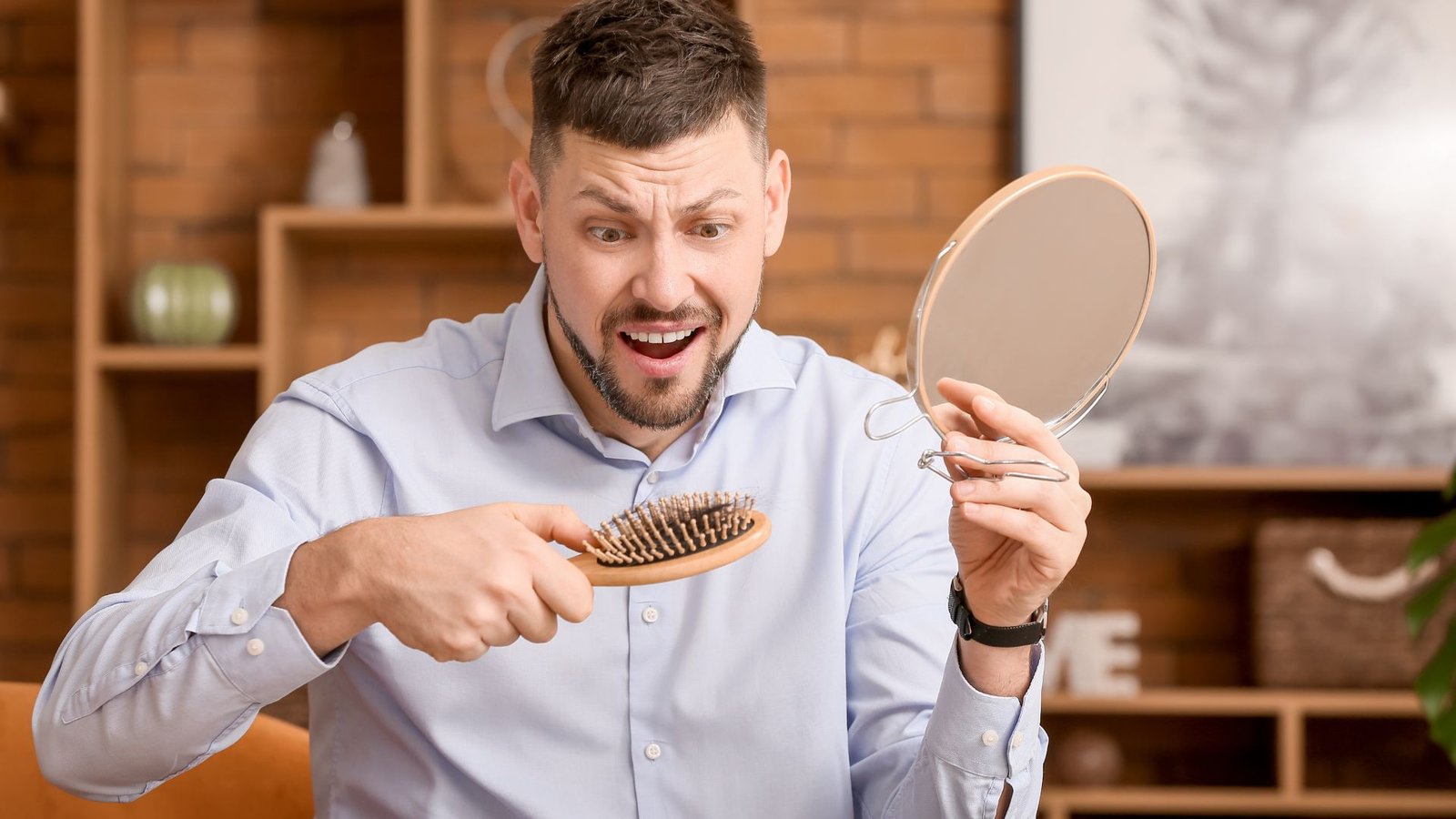
Hair breakage can be a frustrating issue, especially when trying to maintain a polished and healthy look. This common problem can arise due to various factors such as over-styling, heat damage, inadequate nourishment, or environmental stresses. Luckily, with the right care routine and lifestyle adjustments, it’s possible to restore and even strengthen your hair. Incorporating nourishing hair products, being mindful of styling techniques, and adopting a balanced diet are just a few steps towards achieving resilient locks. Here are some straightforward tips designed to help you prevent hair breakage, ensuring your hair remains vibrant and healthy.
1. Use a Gentle Shampoo
Choosing the right shampoo is crucial for maintaining healthy hair and reducing breakage. A gentle, sulfate-free shampoo is highly recommended because it cleanses the hair without stripping away the natural oils that keep your hair nourished and soft. Sulfates, which are common in many traditional shampoos, can be too harsh for some hair types, leading to dryness and brittleness, which in turn can cause breakage. By opting for a sulfate-free formula, you ensure that your scalp retains its protective barrier and moisture, resulting in healthier strands. Additionally, gentle shampoos often contain nourishing ingredients like natural oils and vitamins that further enhance hair strength and resilience. Regular use of these milder options can promote improved hair texture over time, helping you maintain vibrant and sleek locks.
2. Condition Regularly
Conditioners play a vital role in enhancing hair moisture and providing essential protection to the hair shaft. After every shampoo wash, applying a high-quality conditioner is key to maintaining hair hydration, making it less susceptible to breakage. A good conditioner works by smoothing the hair cuticle, which helps to lock in moisture and protect against external damage. It replenishes lost oils and nutrients that are stripped away during the washing process.
To maximize its benefits, apply the conditioner from mid-length to the tips of your hair, avoiding the scalp, which can make the roots appear greasy. Leave it in for at least a few minutes before rinsing thoroughly with cool water to seal the hair cuticle, trapping moisture inside. Regular conditioning not only detangles the hair but also improves its manageability, softness, and overall health. By incorporating this step into your haircare routine consistently, you will notice stronger, more vibrant hair that is less prone to frizz and dreaded breakage.
3. Reduce Heat Styling
Limiting the use of heat styling tools, such as blow dryers and flat irons, is crucial for maintaining the health and integrity of your hair. Frequent exposure to high temperatures can weaken hair follicles, leading to dryness, brittleness, and eventually, breakage. To mitigate these effects, try to embrace air-drying whenever possible, allowing your hair to dry naturally to preserve its moisture and strength. If styling is necessary, always begin by applying a heat protectant spray, which acts as a barrier, reducing thermal damage by coating the hair shaft and locking in moisture.
Look for products rich in silicones or proteins that can amplify protective benefits. Additionally, when using heat tools, opt for the lowest effective temperature setting and limit the duration of heat exposure. Investing in tools with advanced heat control and ceramic plates can also help distribute heat more evenly, minimizing direct damage. By consciously reducing heat styling and adopting protective measures, you can maintain healthier, more resilient hair, promoting long-term shine and elasticity.
4. Opt for a Wide-Tooth Comb
Using a wide-tooth comb is a simple yet effective way to minimize hair breakage and maintain healthy locks. The design of these combs, featuring widely spaced teeth, significantly reduces the pulling and tangling commonly caused by finer-toothed options. This makes them especially beneficial for individuals with thick, curly, or textured hair that is more susceptible to knots and tangles. When detangling, it’s crucial to begin combing at the ends of your hair and gradually work your way upwards toward the roots.
This method gently unwinds knots without exerting unnecessary stress on the hair shaft, helping to prevent split ends and maintaining the natural alignment of hair strands. Patience is key, as forcing the comb through tangled hair can lead to breakage. By incorporating a wide-tooth comb into your daily hair care routine, you can enjoy smoother, more manageable hair while minimizing damage and preserving its overall health.
5. Avoid Tight Hairstyles
Tight ponytails and buns, while stylish and convenient, can be detrimental to the health of your hair over time. These snugly pulled hairstyles place excessive tension on the hair follicles, which can lead to breakage at the roots and contribute to a condition known as traction alopecia. To protect your hair and scalp, consider opting for looser, more stylish look that allow your hair some freedom. Braids, loose buns, and low ponytails are excellent alternatives that distribute pressure more evenly across the scalp, reducing the risk of stress-induced damage. Additionally, using soft hair ties or scrunchies can further minimize friction and breakage, compared to traditional elastic bands. By prioritizing hair-friendly styles and accessories, you can maintain the integrity and health of your hair follicles, ensuring fuller and more resilient tresses over time.
6. Protect Hair During Sleep
During sleep, protecting your hair is essential to maintaining its health and preventing damage. One effective way to do this is by using a silk or satin pillowcase. These materials significantly reduce friction compared to cotton, which can cause hair to become tangled and lead to breakage. The smooth surface of silk and satin allows hair to glide over the pillowcase, maintaining hair’s moisture and reducing frizz.
Alternatively, you can wrap your hair in a silk scarf before bed to achieve similar protective benefits. Tying your hair with a silk scarf keeps it securely in place, limiting movement and friction. This method is especially beneficial for curly or textured hair types, which are more prone to tangling. By incorporating a silk or satin pillowcase or using a silk scarf into your nightly routine, you can effectively minimize breakage and maintain the natural shine and smoothness of your hair.
7. Trim Regularly
Regular trims are a crucial aspect of maintaining healthy hair and preventing extensive damage over time. Split ends develop when the protective outer layer of the hair strand, known as the cuticle, becomes weakened or damaged. If left untrimmed, these split ends can move up the hair shaft, leading to further breakage and a frizzy, unhealthy appearance. Scheduling regular trims every 6 to 8 weeks can effectively remove these damaged ends before they have a chance to compromise the overall integrity of your hair.
To ensure the best results, it’s important to visit a qualified barber who understands the specific needs of your hair type. A professional barber, with expertise in cutting techniques and hair health, can offer personalized advice and trims tailored to your individual style and hair goals. By entrusting your trims to an expert, you can maintain the natural strength and aesthetics of your hair, keeping it looking fresh and revitalized. Regular trims not only contribute to healthier hair but also help in maintaining a polished, well-groomed appearance that can complement your overall look and feel.
8. Stay Hydrated
Drinking plenty of water is fundamental to keeping both the body and hair hydrated. Proper hydration supports various bodily functions and is particularly essential for maintaining healthy, resilient hair. When the body is well-hydrated, the scalp remains moisturized, creating an optimal environment for hair growth. Water aids in transporting essential nutrients and vitamins to the hair cells, promoting strength and elasticity in every strand. Dehydration, on the other hand, can lead to dry, brittle hair, increasing the likelihood of breakage and split ends. Integrating enough fluids into your daily routine helps preserve the natural shine and softness of your hair while boosting its overall health. Aim for at least 8 glasses of water a day, and consider increasing this intake during hot weather or if you engage in physical activities that may lead to additional fluid loss. Inculcating a habit of staying hydrated not only elevates your hair’s condition but also enhances your overall well-being, keeping your body and hair feeling rejuvenated.
9. Increase Protein Intake
Hair is predominantly made up of a protein called keratin, which underscores the importance of incorporating a protein-rich diet for healthy hair. Regular consumption of sufficient protein provides the building blocks necessary for hair growth and fortification. Foods high in protein such as eggs, fish, and nuts are excellent choices to strengthen hair from the inside out. Eggs, in particular, boast an impressive array of essential nutrients, including biotin and B vitamins, which support hair’s strength and growth.
Fish, especially fatty varieties like salmon, are laden with omega-3 fatty acids and proteins that not only nourish the scalp but also add luster to the hair. Nuts and seeds, like almonds and walnuts, are nutritional powerhouses providing a blend of proteins and healthy fats crucial for maintaining hair health. Including these foods in your diet can help combat hair loss, enhance thickness, and improve overall texture, making your hair more resilient to environmental and styling damages. A well-balanced protein intake contributes significantly to a robust hair structure, ensuring your locks remain vibrant and thriving.
10. Use Natural Oils
Natural oils such as coconut, argan, or olive oil offer a variety of benefits for hair care, providing nourishment and an extra layer of protection against damage. Coconut oil is particularly renowned for its ability to penetrate the hair shaft, thanks to its unique fatty acid structure. This ability allows it to deeply moisturize and condition hair, reducing protein loss and preventing dryness. Regular application of coconut oil can leave your hair feeling softer and looking shinier.
Argan oil, often referred to as “liquid gold,” is rich in essential nutrients like vitamin E, fatty acids, and antioxidants. These compounds help to repair damage, tame frizz, and boost shine, making it an ideal choice for those dealing with dull or unruly hair. Applying a small amount of argan oil to the ends can effectively seal moisture into the hair shaft, offering protection against environmental stressors and heat damage.
Olive oil, a staple in many kitchens, is just as beneficial for your hair. Known for its emollient properties, olive oil can smooth the hair cuticle and enhance elasticity, helping to prevent breakage and split ends. A light coating on your hair’s ends not only keeps it moisturized but also shields it from daily wear and tear.
To incorporate these oils into your hair care routine, simply warm a small amount between your palms and apply it to the ends of your hair after washing or whenever your hair feels dry. This simple step can lead to healthier, more resilient hair that radiates a natural glow.
11. Limit Chemical Treatments
Frequent coloring or chemical treatments can significantly weaken hair over time. The chemicals used in these processes, such as bleach, ammonia, and peroxide, strip the hair of its natural oils and proteins, leading to a dry, brittle texture. To maintain the integrity of your hair, it’s crucial to space out these treatments as much as possible. Instead of opting for a chemical treatment every few weeks, consider extending the interval between treatments to allow your hair ample time to recover and regain its strength.
Additionally, it is important to incorporate products specifically designed to restore moisture and repair the damage caused by chemical processes. Look for hair care products enriched with hydrating ingredients like keratin, ceramides, and natural oils. These can help replenish lost moisture, improve elasticity, and create a protective barrier against further environmental or styling damage. When selecting a hair mask or deep conditioner, choose formulas that focus on protein and hydration to nourish and repair your hair, ensuring it remains healthy and resilient despite any chemical treatments.
Conclusion
Implementing these tips can significantly enhance the health and strength of your hair, reducing the risk of breakage and damage. By boosting your hair care regimen with nourishing natural oils, minimizing chemical treatments, and using products formulated to restore and protect your hair, you’ll achieve noticeable improvements in hair texture, shine, and resilience. For those seeking additional guidance or personalized advice, visiting a trusted barbershop can be highly beneficial. Professional stylists have the expertise to assess your unique hair needs and recommend tailored solutions. They can provide insights on the most suitable products and techniques to maintain your hair’s vitality, ensuring it remains healthy and vibrant. By combining professional advice with diligent at-home care, you can enjoy the confidence that comes with strong, beautiful hair.