
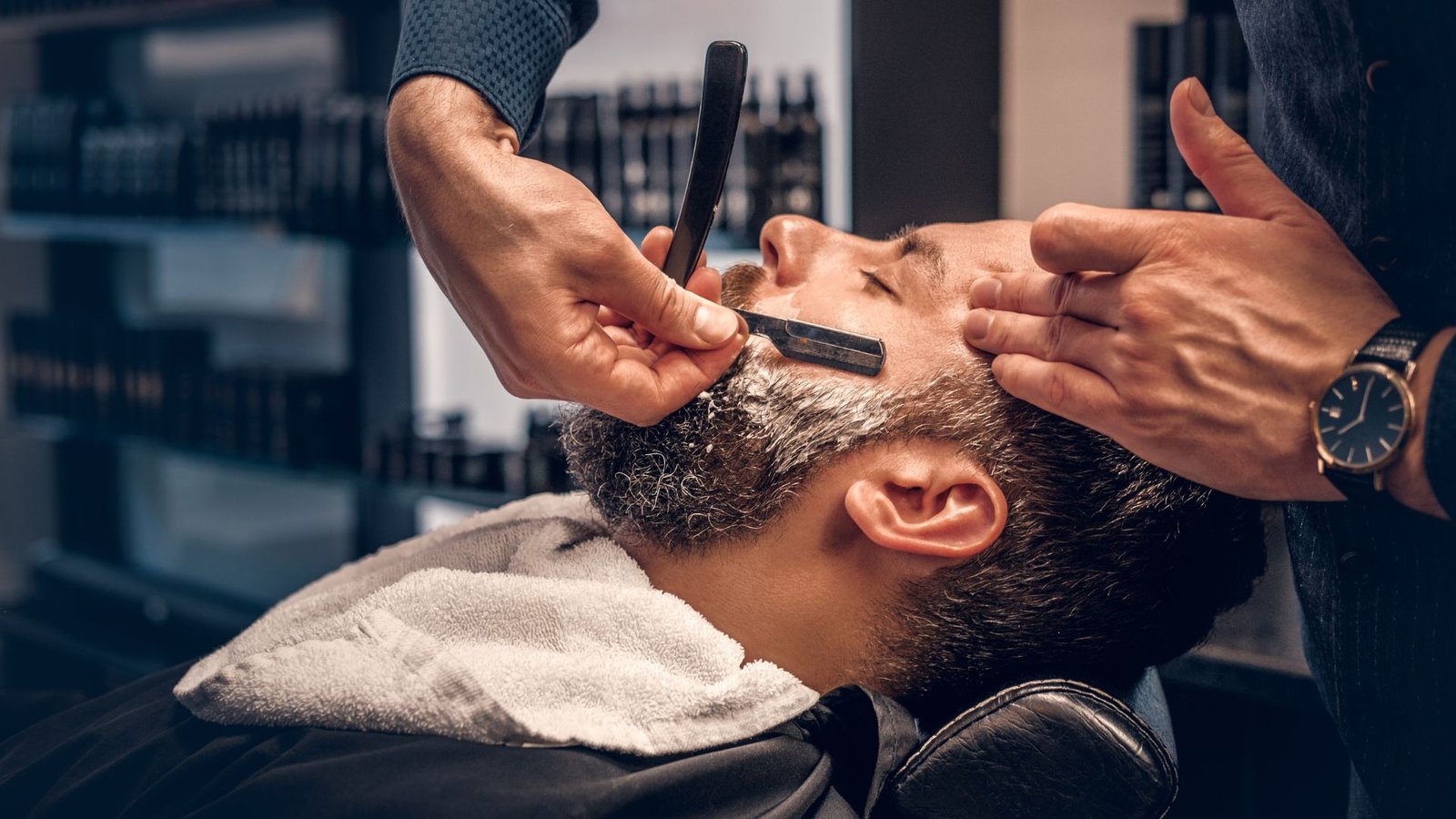
Ensuring a smooth and close shave with a razor is an art that demands a combination of the right technique and thorough preparation. This begins with selecting a high-quality razor that matches your skin type and facial hair density, as the right tool forms the foundation of an effective shave. Pre-shave preparation is crucial—soften your facial hair by washing your face with warm water or applying a warm towel for a few minutes. This small step can greatly reduce the risk of cuts and irritation by making the hair easier to cut. Equally essential is using a quality shaving cream or gel, which creates a protective barrier that allows the razor to glide effortlessly over the skin, significantly minimizing tugging.
Many people make the mistake of applying too much pressure or using a dull blade, both of which can lead to nicks, razor burn, and uneven results. To remedy this, regularly replace your razor blade and rely on short, gentle strokes in the direction of hair growth to reduce irritation. Finally, post-shave care should not be neglected. Rinse with cold water to close the pores, and follow up with a soothing aftershave balm to keep the skin nourished and comfortable. By adhering to these detailed preparation and shaving techniques, you can achieve a consistently smooth shave while maintaining healthy skin.
1. Skipping Skin Preparation
Before shaving, it’s vital to prepare the skin properly. This involves a few essential steps that can make a significant difference in the quality of your shave. First, cleansing the face helps to remove any dirt, oil, and debris that might clog the razor, leading to a dull blade and an uneven shave. Using a gentle facial cleanser suited to your skin type ensures that your skin is clean without stripping away necessary moisture. This is especially important in places like Phoenix, where the climate can be extremely dry.
Such conditions can exacerbate skin irritation, which makes pre-shave hydration crucial. Hydrating the skin not only softens facial hair to make it easier to shave but also creates a smoother surface, reducing the risk of friction and razor burn. Incorporating a high-quality moisturizer or pre-shave oil into your routine can provide that much-needed hydration, preparing your skin for a comfortable and effective shaving experience. Skipping these steps might save time in the short run but can result in longer-term damage and discomfort to the skin.
2. Using a Dull Razor
Using a dull razor is one of the most common mistakes that can lead to an unsatisfactory shaving experience. A dull blade not only struggles to cut hair efficiently but also requires more pressure, which can cause irritation, razor burn, and an increased risk of nicks and cuts. The key to a smooth and safe shave is ensuring that your razor blades are sharp and in optimal condition.
Sharp blades glide through facial hair with minimal effort, reducing the need for repetitive strokes over the same area—a common practice that increases the likelihood of skin irritation. Regularly replacing your razor blades is crucial. Experts recommend changing the blade every 5 to 10 shaves, though this can vary depending on hair thickness and the quality of the blade.
Signs that indicate it’s time for a new blade include a tugging sensation during shaving and noticing redness or discomfort post-shave. Maintaining sharp razor blades not only enhances the comfort of the razor shave but also protects the skin from undue harm, leading to a healthier, smoother complexion overall. Investing in quality blades and staying vigilant about their condition can dramatically improve your shaving routine and skin health.
3. Shaving Against the Grain
Shaving against the grain is a common temptation for those seeking an ultra-close finish. However, this method often leads to more harm than good, causing significant skin irritation and increasing the likelihood of developing ingrown hairs. When you shave against the grain, the blade cuts the hair beneath the skin level, which can cause the hair to grow back improperly, leading to painful, raised bumps. Instead, it is advisable to always shave in the direction that your hair naturally grows—this is known as shaving with the grain. By doing so, you achieve a smoother, more comfortable shave that reduces irritation and protects the skin from unnecessary damage. For a truly close shave without the risk, make sure your skin is adequately prepped, your blade is sharp, and consider doing multiple passes, starting with the grain and gradually working to a more cross-grain approach as needed.
4. Applying Too Much Pressure
Applying too much pressure while shaving may seem like a surefire way to ensure a thorough shave, but it often results in more cuts and irritation instead. When excessive force is applied, the razor blade digs into the skin, increasing the risk of nicks, cuts, and abrasion. A lightweight, gentle approach allows the razor to glide smoothly over the skin, capitalizing on the blade’s sharpness rather than force.
This technique not only fosters a more comfortable shaving experience but also promotes healthier skin by minimizing the trauma that can lead to redness and irritation. A good razor with sharp blades should require minimal effort to remove hair efficiently. Remember, achieving a smooth result is more about technique and maintaining proper blade condition than it is about applying downward pressure. Let the razor do the heavy lifting while you maintain a gentle hand for a safe, effective shave.
5. Neglecting Sensitive Areas
Areas like the neck and chin are more prone to cuts due to their distinct contours, making them particularly challenging to shave without care. It’s important to approach these regions with gentleness and precision to avoid nicks and irritation. Start by ensuring that the skin is properly moistened and softened, possibly using a warm towel or a pre-shaving oil to prepare the area. When shaving, angle the razor to follow the natural shape of the neck and chin, utilizing small, controlled strokes. This method allows for greater control and adaptability around curves and dips.
Additionally, maintain a light touch, letting the razor do the work rather than forcing it against the skin. Pay attention to the grain of the hair in these areas, as it may grow in different directions, requiring a more mindful technique. Rinse the blade frequently to prevent clogging, and consider reapplying shaving cream if necessary for added lubrication. After shaving, soothe the skin with a gentle aftershave balm or lotion to help minimize any potential irritation or redness in these delicate spots. By being mindful and patient, you can achieve a comfortable and effective shave, even in the most sensitive areas.
6. Not Using Shaving Cream
Dry shaving can wreak havoc on your skin, leading to irritation, redness, and razor burn. A good shaving cream or gel is essential as it provides necessary lubrication and reduces friction between the blade and your skin. The presence of shaving cream not only softens the hair, making it easier to cut but also creates a protective barrier that allows the razor to glide smoothly over the surface. This barrier minimizes the risk of cuts and nicks and ensures a close, comfortable shave.
Additionally, shaving creams often contain moisturizing and soothing ingredients, such as aloe vera or essential oils, that can help to hydrate the skin and reduce inflammation. When applying shaving cream, ensure a generous amount is spread evenly across the area you plan to shave, and allow it a moment to settle and soften the hair before beginning. This practice prepares both your skin and facial hair, enhancing the overall experience.
Moreover, opting for creams or gels specifically designed for sensitive skin can provide added relief and protection, especially if you’re prone to post-shave irritation. By integrating a quality shaving cream into your routine, you’ll not only improve the efficacy of your shave but also contribute to the long-term health and smoothness of your skin.
7. Rushing the Shave
Taking your time while shaving is crucial to achieving a safe and effective result. Rushing through the process increases the risk of making mistakes that can lead to cuts, nicks, and uneven hair removal. These mishaps are not only painful but can also cause unsightly marks and ingrown hairs. Allocating a few extra minutes to your routine allows for a more mindful approach, ensuring that you’re using the right techniques and following the natural grain of your hair. A careful shave involves slow, deliberate strokes, which not only improve the closeness of the shave but also minimize skin irritation. By prioritizing patience over speed, you enhance both the quality and safety of your shaving experience.
8. Ignoring Post-Shave Care
After shaving, attending to your skin’s needs with proper post-shave care is essential, especially in environments with dry climates like Phoenix. The act of shaving can leave your skin vulnerable by removing its natural oils, making it more susceptible to irritation and dryness. Applying a quality aftershave or moisturizer serves dual purposes: it soothes any inflammation and replenishes moisture lost during the shave.
Products with calming ingredients, like chamomile or vitamin E, can further aid in reducing redness and keeping the skin feeling refreshed. An effective aftershave routine also involves a gentle patting motion rather than rubbing, which can aggravate freshly shaved skin. By investing in good post-shave care, you not only nourish your skin but also help maintain a smooth, healthy complexion over time.
9. Overusing a Single Razor
Relying on a single razor for too long without replacement poses several risks to both your skin and overall health. As a blade becomes dull, it requires more pressure to effectively shave hair, increasing the chances of cuts and nicks. These minor injuries can become gateways for bacteria, leading to infections, especially if the razor is not adequately sanitized between uses. Furthermore, an old blade can cause razor burn, resulting in red, irritated bumps across the skin after shaving.
To maintain a clean and safe shave, it’s crucial to dispose of blades responsibly and switch to a new one as soon as you notice any signs of dullness. Depending on the frequency of your shaving routine, this may mean replacing your razor every five to seven shaves to ensure optimal performance. Consider opting for razors with built-in indicators that signal when it’s time for a new blade. By attentively managing your razor’s usage and adhering to a replacement schedule, you not only protect your skin from unnecessary harm but also promote a more effective and comfortable shaving experience.
10. Shaving Over Breakouts
Avoid shaving directly over acne or breakouts, as this can aggravate the condition, leading to increased irritation and potential scarring. When you shave over inflamed areas, you risk breaking open pimples, which can introduce bacteria into underlying layers of the skin, causing infection or further inflammation. To shave effectively while managing breakouts, begin by softening the hair and skin with warm water or a warm towel to open the pores. Apply a quality shaving gel or cream designed for sensitive skin to minimize friction.
Use a clean, sharp razor to gently glide over unaffected areas, taking care to navigate around visible breakouts. If unavoidable, use light strokes and minimal pressure directly over acne-prone zones. Post-shave, apply a gentle, alcohol-free aftershave balm that contains soothing ingredients like aloe vera or witch hazel. This helps reduce redness and irritation without clogging pores. By exercising caution and choosing the right products, you can maintain a consistent shaving routine without exacerbating skin issues.
11. Choosing Inappropriate Tools
Selecting the right tools is crucial for achieving a comfortable and effective shave. Using incorrect tools and techniques can greatly impact the results and even harm your skin. For instance, a dull razor blade can cause tugging and pulling, leading to irritation, nicks, and an uneven shave. Similarly, using a shaving cream or gel that does not suit your skin type might result in dryness or breakouts. It’s important to invest in high-quality shaving products that cater to your individual needs, such as razors with multiple blades for a closer shave or hypoallergenic creams for sensitive skin.
Additionally, proper shaving techniques cannot be overlooked. Holding the razor at the wrong angle or applying too much pressure can lead to cuts and burns. It’s advisable to shave in the direction of hair growth to minimize irritation. When it comes to achieving the perfect shave, especially in a place with challenging climatic conditions like Phoenix, seeking the expertise of a trained barber can make a significant difference. A professional barber has the experience and skill to handle various skin types and shaving challenges, ensuring a closer shave while minimizing the risk of skin problems. They use specialized tools and techniques that can enhance your shaving experience, leaving you with smoother, healthier skin.
Conclusion
For those new to shaving or seeking to refine their methods, consulting a professional barber in Phoenix can be immensely beneficial. A local barber brings an understanding of the specific challenges posed by the climate, offering personalized advice on techniques and products that best suit your skin type and lifestyle. By investing in high-quality shaving tools and embracing proper techniques, you can dramatically improve your shaving experience. A skilled barber can guide you on the importance of using a sharp, appropriate razor, selecting the right shaving cream, and maintaining the ideal pressure and angle during a shave. With expert guidance, you’ll be equipped to achieve a flawless razor shave, reducing the risk of common pitfalls like irritation, nicks, and dryness, ultimately leaving your skin smooth and healthy.