Growing out your hair can be an exciting but often challenging journey. Whether you’re recovering from a recent haircut or aiming for a long, flowing mane, it’s important to nurture your locks with care and patience. The process requires a blend of strategic styling and healthy hair habits tailored to your unique needs. In this guide, we offer 15 practical tips to help you transition smoothly and gracefully through each stage of hair growth. With expert advice from a renowned barbershop in Phoenix, these recommendations will empower you to maintain the vitality and beauty of your hair as it reaches new lengths.
1. Regular Trims
Contrary to what one might think, regular trims play a pivotal role in the hair growth process. It might seem counterintuitive to cut your hair when trying to grow it out, but scheduling trims every 6-8 weeks is essential for maintaining overall hair health. Trimming removes damaged or split ends, preventing them from traveling further up the hair shaft, which can cause breakage and hinder growth. By keeping the ends of your hair healthy, you create a stronger foundation for new hair growth, ultimately allowing your locks to grow longer and appear more voluminous. A consistent trimming routine not only helps to preserve the hair’s integrity but also contributes to a more polished and manageable appearance throughout the growing process.
2. Nourish from Within
Nutrition plays a vital role in hair health and ensuring that you provide your body with the right nutrients can significantly impact the length and strength of your hair. Incorporating protein-rich foods into your diet is essential since hair is primarily composed of a protein called keratin. Foods such as lean meats, eggs, and legumes provide the building blocks necessary for creating this fundamental protein.
Additionally, omega-3 fatty acids, found in fish like salmon and walnuts, are known for promoting a healthy scalp, which creates an optimal environment for hair growth. A variety of vitamins and minerals, including Vitamin A, C, D, E, Zinc, and Iron, also support hair health and can be found in fruits, vegetables, and whole grains. Ensuring a balanced diet rich in these nutrients provides your body with the tools it needs to support robust hair growth from the inside out, contributing to a lustrous and resilient mane as you grow out your locks.
3. Use the Right Products
Selecting the appropriate shampoos and conditioners tailored to your specific hair type and needs is critical in fostering healthy hair growth. Different hair types, such as curly, straight, fine, or thick, have unique requirements that can be addressed with specially formulated products. For instance, curly hair often benefits from moisturizing products that prevent frizz, while fine hair may require lightweight formulas that add volume without weighing down the strands.
One essential factor to consider when choosing hair care products is the inclusion of sulfates. Sulfate-free products are recommended for maintaining the hair’s natural moisture balance, as sulfates can strip the hair of essential oils, leading to dryness and increased breakage. By preserving moisture, sulfate-free shampoos and conditioners help keep the hair shaft resilient and less prone to damage, which is crucial for promoting hair growth.
In addition to selecting the right cleansing and conditioning products, incorporating leave-in conditioners, serums, or hair masks that provide additional nourishment and protection can further support hair health. These treatments often contain ingredients like argan oil, shea butter, and keratin that strengthen the hair and improve its overall texture. By choosing products that cater to the unique needs of your hair, you create an optimal environment for growth, allowing your locks to flourish with vitality and shine.
4. Be Gentle with Wet Hair
Wet hair is particularly vulnerable to damage due to its increased elasticity and tendency to stretch, which can lead to breakage. To minimize harm and promote healthy growth, it is crucial to handle your hair with care during this delicate state. Begin by using a wide-tooth comb to gently detangle your strands, starting from the ends and gradually working your way up to the roots. This method helps prevent unnecessary pulling and snapping, safeguarding the hair’s integrity.
Additionally, instead of rubbing your hair with a towel, which can create friction and cause the cuticles to lift, opt for gently blotting or squeezing out excess moisture. Consider using a microfiber towel or an old cotton t-shirt, as these materials are softer and less likely to rough up the hair shaft than traditional terry cloth towels. By treating your wet hair with this extra level of gentleness, you reduce the risk of damage, preserve the hair’s natural strength, and contribute to a healthier, more resilient mane over time.
5. Protect from Heat
Heat styling tools, such as flat irons, curling wands, and hair dryers, have become staples in achieving various hairstyles, but they can be particularly damaging if used excessively or improperly. The high temperatures from these tools can weaken hair strands, leading to dryness, split ends, and breakage. To minimize the adverse effects of heat styling, it is essential to incorporate protective measures into your routine.
Firstly, consider reducing the frequency of heat styling sessions to give your hair a chance to recover and maintain its natural moisture balance. When you do use styling tools, always start with the lowest heat setting that achieves the desired result. This approach limits the amount of heat exposure and potential damage to your hair.
Before applying any heat, generously spritz your hair with a heat protectant spray. These sprays are formulated to create a protective barrier on your hair, reducing moisture loss and the impact of high temperatures. Look for products enriched with nourishing agents like vitamins and silicones that add an extra layer of defense and promote shine.
Furthermore, ensure that you evenly distribute the heat protectant across all sections of your hair for comprehensive coverage. By adopting these heat styling practices, you safeguard your hair’s integrity, maintain a healthier appearance, and enjoy the versatility of styling without compromising on hair health.
6. Try a Scalp Massage
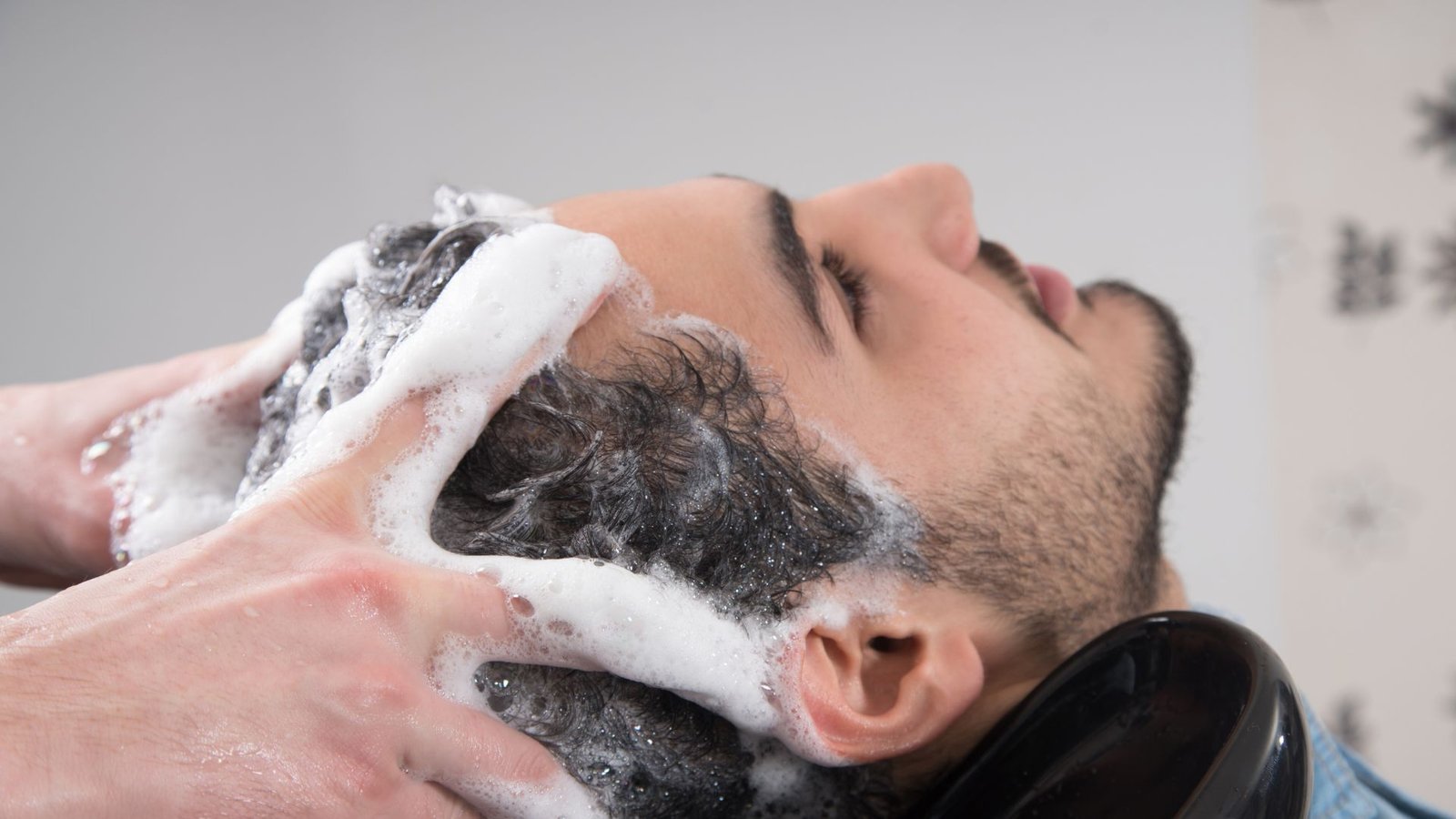
A soothing scalp massage is not only a relaxing experience but also a beneficial one for promoting hair growth. By stimulating blood circulation, a scalp massage enhances the delivery of essential nutrients and oxygen to hair follicles, which can lead to healthier, fuller hair. To perform an effective scalp massage, use your fingertips to apply gentle but firm pressure. Start at the base of your scalp and move your fingertips in small, circular motions. Progress slowly towards the crown of your head, ensuring that you cover each area thoroughly.
Aim to spend at least five to ten minutes massaging your scalp, ideally a few times a week, to experience the maximum benefits. Consider using a nourishing hair oil, like coconut or jojoba oil, during your massage to add an extra layer of nourishment and moisture. Regular scalp massages not only support hair growth but also provide a calming ritual that can reduce stress and promote relaxation. By incorporating this practice into your hair care routine, you can foster a healthier scalp environment conducive to hair growth and overall hair health.
7. Embrace Natural Hairstyles
Allowing hair to air dry naturally is a gentle practice that significantly reduces the risk of heat-induced damage, leading to healthier hair growth over time. By opting for natural hairstyles, you minimize the use of heated tools like blow dryers, flat irons, and curling wands, which can strip the hair of its natural moisture and lead to brittleness and breakage. Embracing natural hair textures encourages the hair to remain strong and vibrant, while also providing an opportunity to explore a variety of styles that complement your hair’s inherent beauty.
Experiment with braids, twists, updos, or leave your hair down to show off its natural flair. Each style allows you to express creativity while nurturing your hair’s health. For individuals with curly or wavy hair, scrunching or using a diffuser attachment on a low heat setting can enhance the natural pattern without causing harm. Straight-haired individuals might try pinning or rolling sections of damp hair to create waves or curls as it dries.
Supplement your styling routine with the use of moisturizing products such as leave-in conditioners, creams, or serums to define and add luster to your natural hair. This not only helps to maintain the hair but also encourages healthier and more resilient strands. By integrating natural hairstyles into your routine, you allow your hair to flourish in its most authentic state while promoting overall hair health.
8. Stay Hydrated
Hydration is fundamental for healthy hair growth, as water plays an essential role in supporting hair health and overall bodily functions. Drinking plenty of water aids in maintaining the moisture balance within the hair shaft, preventing dryness and brittleness that can lead to breakage. Proper hydration ensures that nutrients are efficiently delivered to hair follicles, promoting robust and vibrant hair growth. Moreover, water helps flush out toxins from the body, which could otherwise hinder hair growth and health.
To optimize hair growth, it is recommended to consume at least eight glasses of water daily, adjusting for individual needs and levels of physical activity. Hydrating with water is also beneficial for the scalp, aiding in the reduction of issues such as dryness or dandruff that may affect hair growth. In addition to drinking water, incorporating hydrating foods like fruits and vegetables into your diet can further support your hair’s hydration needs. By prioritizing hydration, you create an optimal environment for your hair to grow healthy and strong.
9. Reduce Stress
High stress levels can adversely affect hair growth, primarily due to the imbalance it creates within the body’s systems. When stressed, the body produces elevated levels of cortisol and other stress hormones, which can disrupt the normal hair growth cycle and potentially lead to hair loss or thinning. This physiological response is known as telogen effluvium, where stress pushes hair follicles into a resting phase, causing hair to fall out more easily.
To counteract these effects and promote healthier hair growth, it is essential to incorporate relaxation techniques into your daily routine. Practices such as yoga and meditation have been shown to be particularly effective in managing stress levels. Yoga combines physical postures, breathing exercises, and meditation, which together help to reduce stress and improve overall well-being. Regular practice can enhance circulation and increase the supply of oxygen and nutrients to the scalp, supporting healthier hair growth.
Meditation, on the other hand, involves focusing the mind and reaching a state of calmness and clarity. It can be practiced anywhere and requires minimal time commitment, making it an accessible stress-management tool. By practicing meditation regularly, you can lower cortisol levels and promote a sense of relaxation and mental clarity.
Additionally, engaging in activities that you enjoy, maintaining a healthy diet, getting adequate sleep, and staying active further contribute to lowering stress levels and supporting hair health. By making a concerted effort to reduce stress, you can create a balanced environment in which your hair is more likely to grow strong and resilient.
10. Avoid Tight Hairstyles
Wearing tight hairstyles, such as ponytails, braids, buns, or cornrows, too frequently can cause significant stress on your hair and scalp. The constant tension from these styles can lead to a form of hair loss known as traction alopecia, where the hair roots are damaged over time, resulting in hair thinning or even permanent hair loss. Persistent pulling can cause the hair shafts to break, making your hair appear frizzy and with no volume in your hair.
To prevent these adverse effects, it’s crucial to opt for looser hairstyles that minimize stress on the hair roots. Use hair ties that do not tangle or tug at the hair, and give your hair a break by alternating with down or loose styles. Additionally, it’s beneficial to let your hair down while sleeping to reduce unnecessary tension. By making these mindful choices, you can help maintain the integrity and strength of your hair, promoting healthy, resilient growth.
11. Use Silk Pillowcases
Silk pillowcases are a luxurious addition to your haircare routine that offer tangible benefits beyond their smooth texture. Unlike cotton or other fabrics, silk significantly reduces friction between your hair and the pillowcase, minimizing hair breakage and tangling as you move during the night. This gentler surface is particularly advantageous for individuals with curly or fine hair, which are prone to damage.
Additionally, silk helps maintain the hair’s natural oils, preventing the drying effect that can occur with more absorbent materials. By retaining moisture, silk pillowcases contribute to smooth, shiny hair, and can even help extend the life of your blowouts or styling efforts. Investing in silk pillowcases is a simple yet effective way to enhance the health and appearance of your hair, ensuring you wake up with hair that’s more manageable and resilient.
12. Consider Hair Supplements
Hair supplements are formulated to provide essential nutrients that may support and enhance hair health, focusing on delivering vital vitamins and minerals that are often hard to attain in sufficient quantities from diet alone. Common ingredients found in these supplements include biotin, vitamin E, zinc, and omega-3 fatty acids, all of which play crucial roles in promoting hair growth and maintaining healthy hair follicles. Biotin, in particular, is known for strengthening hair and improving its keratin infrastructure, while nutrients like vitamin E and omega-3s provide antioxidant and anti-inflammatory benefits that can protect the scalp and hair strands from environmental stresses.
Before adding hair supplements to your routine, it’s important to consult a healthcare professional. They can assess your individual health needs, potential deficiencies, and any underlying conditions that could be affecting your hair health, ensuring you choose the right supplement and dosage for optimal results. Additionally, a professional consultation can prevent interactions with other medications or conditions you may have. Taking this step ensures that you approach hair supplementation in a safe and effective manner, ultimately contributing to stronger, healthier hair from within.
13. Limit Chemical Treatments
Chemical treatments such as dyeing, perming, and relaxing can have detrimental effects on hair health if overused. These processes often involve harsh chemicals that can strip the hair of its natural oils, leading to dryness, brittleness, and breakage. The hair shaft can become porous and fragile, making it more susceptible to damage from other styling practices, environmental factors, and even everyday wear and tear. Limiting the frequency of such treatments is crucial to maintaining hair integrity and vitality, particularly during growth phases when hair is more vulnerable.
When chemical treatments are applied too often, the cumulative damage can be significant, reducing the hair’s elasticity and resilience. By spacing out these procedures and allowing sufficient time for recovery, you give your hair the opportunity to replenish and repair itself naturally. Additionally, incorporating deep conditioning treatments and utilizing sulfate-free, nourishing hair care products can help fortify and protect the hair between chemical processes.
For those who frequently rely on chemical treatments, considering less damaging alternatives, such as temporary hair colors or heat-free styling methods, can also be beneficial. It’s important to prioritize gentle handling and to be mindful of the overall health of your hair, choosing treatments and routines that support long-term strength and manageability.
14. Visit a Barbershop in Phoenix
Visiting a barbershop provides you with access to experienced professionals who can deliver personalized advice and tailored styling techniques to aid in your hair’s growing-out process. Barbers in Phoenix are equipped with local knowledge about trends, hair types, and the climate’s impact on hair health, making their insights particularly valuable. They are adept at crafting styles that can transition smoothly as your hair grows, ensuring you look stylish at every stage of hair growth.
Moreover, a professional barber can recommend suitable cuts and trims that encourage healthy growth without sacrificing your desired length. Regular visits help to maintain clean lines and remove split ends, which can prevent breakage and enhance overall hair appearance. They may also suggest hair care products that are ideal for your specific needs, whether it’s hydration to combat dry desert air or protection against UV damage. Engaging in ongoing consultations with a trusted barber promotes an understanding of how to nurture your hair, equipping you with the confidence to manage changes and enjoy the growing journey.
15. Be Patient
Growing out hair takes time, often requiring months or even years to achieve the desired length. Patience is a vital part of this journey, as the process can be slow and sometimes frustrating.
Understanding that hair grows, on average, about half an inch per month, can set realistic expectations and help cultivate patience. During this time, it can be beneficial to focus on nurturing your hair’s health rather than fixating solely on its length. Persistence in maintaining a healthy hair care routine, which includes regular trims to prevent split ends and breakage, can ensure that each inch gained is healthy and strong.
Additionally, emphasizing a balanced diet rich in vitamins and minerals known to support hair health and growth, such as biotin, zinc, and omega-3 fatty acids, can significantly aid the process. Utilizing protective hairstyles can minimize damage and stress on the hair, allowing it to thrive during the grow-out phase. By combining patience with these strategies, you can achieve not just the desired length, but also maintain the integrity and vitality of your hair over time.
Conclusion
By incorporating these practices into a routine, growing hair out gracefully becomes an achievable goal. Consult a trusted barber for additional guidance tailored to personal hair needs.