
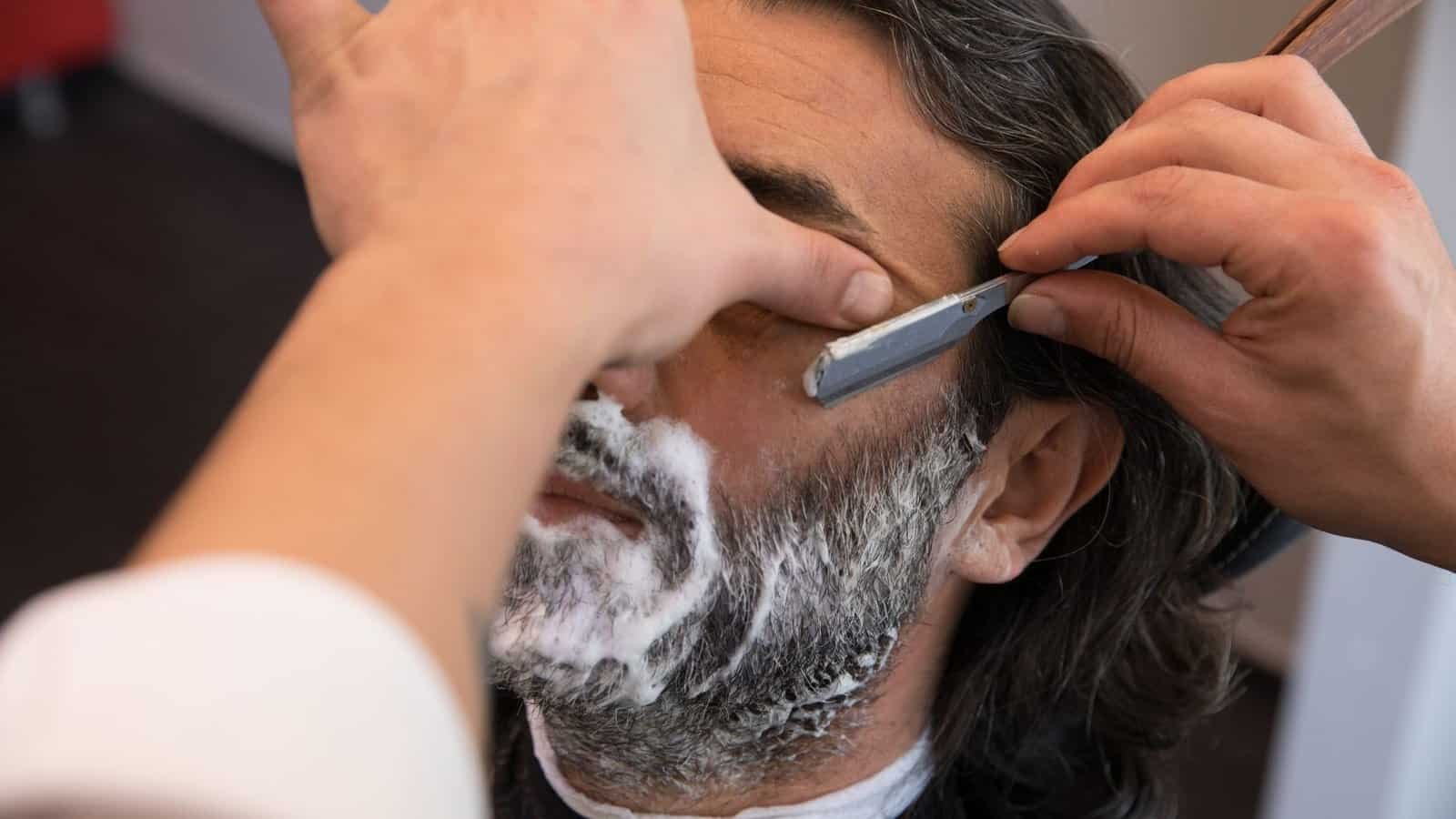
Achieving the perfect shave requires not only precision but also the right blend of techniques and tools designed to cater to various skin types and preferences. Start by preparing your face with a warm towel or a hot shower to open up the pores, softening the beard hair for a smoother glide. Invest in a high-quality razor that suits your skin’s sensitivity and the thickness of your facial hair, as this helps in reducing razor burn and ingrown hairs.
Using a rich, hydrating shaving cream or gel is crucial, as it provides a protective layer and aids in minimizing friction. Shaving with the grain of your hair and maintaining consistent strokes can further reduce irritation. After shaving, soothe your skin with a gentle, alcohol-free aftershave balm to lock in moisture and leave your face feeling refreshed. For those in Phoenix looking to master a great shave, applying these proven secrets will not only enhance the shaving experience but also ensure every shave is an exercise in self-care and sophistication.
1.Prepare the Skin
The foundation of a great shave lies in adequately preparing your skin, and this process begins by warming it up. Start with a hot shower, or alternatively, place a warm towel over your face. The heat and moisture work wonders by opening up the pores, which not only softens facial hair but also makes it more pliable. This preparatory step is crucial for achieving a closer shave, as it reduces the resistance between the razor and the skin.
Softer hair is less likely to cause friction and tugging during the shave, thus minimizing the risk of nicks and cuts. Moreover, open pores allow for a smoother razor glide, significantly enhancing the overall shaving experience by making it more comfortable and efficient. Incorporating this easy yet effective step into men’s shaving routine ensures that your skin remains protected and your shave is of the highest quality.
2.Select the Right Razor
Choosing the right razor is an essential component in achieving a superior shave. It’s important to select a quality razor that suits both your skin and hair type to ensure optimal results. A double-edge safety razor, in particular, comes highly recommended by expert barbers for its precision and ability to provide a close razor shave without undue irritation. Unlike disposable razors, a double-edge safety razor offers the advantage of interchangeable blades, allowing for a consistently sharp and smooth shaving experience.
This type of razor is designed to evenly distribute pressure across its surface, minimizing the risk of cuts and ingrown hairs, which are common with multi-blade models. Additionally, the weight and balance of a safety razor enable greater control, allowing you to navigate facial contours with ease. When selecting your razor, pay attention to the handle’s grip and weight as well, ensuring it feels comfortable in your hand. This choice greatly influences the overall quality of your shave, making it a worthy investment in your grooming regimen.
3. Use a Quality Shaving Cream
Investing in a rich, lathering shaving cream or gel is crucial for achieving a comfortable and close shave. High-quality shaving creams are designed to provide excellent lubrication, which is essential for the razor to glide smoothly across the skin. This lubrication reduces friction and helps prevent irritation, razor burns, and cuts. When selecting a shaving cream, look for ingredients that hydrate and protect the skin, such as aloe vera, glycerin, and essential oils, which can soothe and nourish while providing a cushioning effect.
A luxurious lather also acts as a barrier and softener, allowing the razor to cut through hair with minimal resistance for a clean shave. The pleasing aroma of a quality shaving cream can enhance the overall grooming experience, leaving your skin feeling fresh and revitalized. Applying the cream with a shaving brush can further enhance lathering, ensuring an even application that prepares every inch of your skin for a smooth shave. Incorporating such products into your shaving routine is a worthwhile investment in both comfort and skin health.
4. Apply Pre-Shave Oil
Consider using pre-shave oil to further reduce friction and protect the skin from razor burn. Applying pre-shave oil creates an additional protective layer between your skin and the razor, which is especially beneficial for those with sensitive skin or coarse hair. These oils are typically composed of nourishing ingredients like jojoba oil, almond oil, or grape seed oil, which are known for their hydrating and soothing properties. When you massage pre-shave oil into your skin before applying shaving cream, it helps to soften facial hair and enhances the razor’s glide, minimizing the chances of nicks and cuts.
This extra barrier provided by pre-shave oil not only safeguards against irritation but also helps lock in moisture, leaving your skin feeling more supple and less prone to post-shave dryness. To maximize the benefits, take a moment to work the oil into your skin using gentle, circular motions, allowing it to penetrate and condition the hairs for a more efficient shave. Incorporating pre-shave oil into your grooming routine can make a noticeable difference, providing a smoother shaving experience and contributing to healthier, more resilient skin.
5. Shave with the Grain
Always shaving in the direction of hair growth is essential to minimize the risk of in-grown hairs and cuts. This technique allows the razor to glide smoothly over the contours of your skin, reducing irritation and helping prevent unsightly and uncomfortable razor bumps. Begin by using slow, gentle strokes, letting the weight of the razor do the work without applying undue pressure. Shaving with the grain ensures that the hair is cut at a shallower angle, which decreases the likelihood of it curling back into the skin.
For those seeking a smooth shave, consider reapplying a layer of shaving cream after the initial pass. Once re-lathered, you can carefully shave across or slightly against the grain, but this should be done with caution. This method requires a careful approach to avoid irritation and should be reserved for areas where the hair is less coarse or the skin is less sensitive. Use short, light strokes, and ensure your blade is sharp and clean to avoid tugging or pulling at the hairs. By maintaining a steady, gentle technique, you can achieve a smoother result while still protecting your skin’s integrity.
6. Rinse the Razor Frequently
Rinsing the razor blade frequently is a crucial step in achieving an effective and comfortable shave. After every two or three strokes, make it a habit to rinse the blade under hot water. This practice helps remove hair and shaving cream buildup that can accumulate quickly, potentially obstructing the razor’s ability to cut smoothly. Allowing debris to linger on the blade can increase the likelihood of nicks, as the razor won’t glide as easily across the skin.
Additionally, a clean blade is less prone to breeding bacteria, which can lead to infections or skin irritation. By frequently rinsing your razor, you also maintain the sharpness and longevity of the blade, ensuring each pass is as effective as possible. Make sure the running water is at a high enough pressure to properly clear away residue, leaving the blade ready and unobstructed for the next stroke. This simple yet effective step is vital to maintaining healthy and irritation-free skin.
7. Maintain a Light Touch
Pressing too hard with the razor can lead to undesirable consequences such as skin irritation and cuts, which are often the bane of any shaving routine. The key to avoiding these issues lies in maintaining a light touch and allowing the razor to do the bulk of the work. A razor with a sharp blade is designed to glide effortlessly across the skin, efficiently cutting hair without the need for excessive pressure. Applying too much force can cause the blade to dig into the skin rather than skim across its surface, increasing the risk of nicks and irritation.
As you shave, focus on keeping your hand relaxed and use only the weight of the razor to guide your strokes. This approach not only minimizes the chances of inadvertently damaging your skin but also encourages a more precise and controlled shave. To enhance this technique, ensure that your razor is in optimal condition; a dull or clogged blade requires more pressure to function and increases the risk of irritation. By developing a steady, gentle hand and trusting in the quality of your tools, you can achieve a smooth, clean shave while safeguarding your skin’s health and appearance.
8. Avoid Repeated Strokes
Repeatedly passing the razor over the same area of skin can significantly increase the likelihood of irritation, redness, and even cuts. Each stroke of the razor not only removes hair but also strips away a thin layer of dead skin cells. When you shave the same spot multiple times, you’re risking the removal of too many layers of skin, which can lead to discomfort and a burning sensation commonly known as razor burn. To minimize this risk, ensure your razor blade is sharp and free from obstructions so that it effectively removes hair in a single pass.
Prepping your skin properly before shaving by using a high-quality shaving cream or gel can also provide a smoother surface, helping the razor glide effortlessly. If certain areas require additional attention, reapply shaving cream to offer another layer of protection and lubrication before proceeding. By taking these precautions, you can achieve a closer shave without compromising the health and appearance of your skin.
9. Finish with a Cold Rinse
Closing the pores and soothing the skin post-shave is crucial for maintaining skin health and preventing irritations. Rinsing your face with cold water after shaving effectively achieves this by causing the pores to constrict, reducing the likelihood of bacteria or debris entering and causing breakouts. The cold rinse also helps to reduce inflammation and soothe any nicks or irritation, offering immediate relief from the stress shaving places on the skin.
Additionally, the tightening effect of cold water can help maintain skin firmness, making the face appear more refreshed and toned. To maximize these benefits, gently splash cold water onto your face or use a clean, cold, wet towel to pat the skin softly. Follow up with an alcohol-free aftershave or moisturizer to lock in hydration and reinforce the skin’s barrier. This simple step is not only rejuvenating but also integral to a comprehensive skincare routine that supports long-term skin health.
10. Apply an Aftershave Balm
Using a high-quality aftershave balm or lotion is a vital step in your post-shave routine, as it serves to both soothe and moisturize the skin after the act of shaving, which can sometimes be harsh on the epidermis. Selecting a balm or lotion that is suitable for your specific skin type—be it sensitive or regular—ensures that you are delivering the best care possible to your skin. These products are formulated to calm irritation, reduce redness, and replenish moisture lost during shaving, effectively restoring balance to the skin.
Aftershave balms often include beneficial ingredients such as aloe vera, which has natural healing properties, or vitamin E, known for its powerful hydrating and antioxidant effects. When applying, gently massage the balm or lotion into the skin in circular motions to ensure even distribution and maximum absorption. This not only enhances skin comfort immediately but also supports healthy skin rejuvenation over time. Incorporating a quality aftershave balm into your skincare regimen is a simple yet effective way to promote a soft, hydrated complexion, while further preventing any potential irritation or ingrown hairs.
11. Clean the Razor Thoroughly
Proper maintenance of your razor is essential for achieving a close and comfortable shave while extending the lifespan of your blade. After each use, thoroughly cleaning and drying your razor is crucial in maintaining blade sharpness and preventing bacteria buildup. Begin by rinsing the razor under warm running water, allowing the water to wash away any shaving cream, hair, or skin cells trapped between the blades. For razors with multiple blades, a gentle tap on the sink edge can help dislodge persistent debris.
Next, consider using a soft brush or an old toothbrush to scrub between the blades gently, ensuring that all residue is removed. This helps prevent clogging and maintains the razor’s efficiency. Once clean, dry the razor thoroughly by patting it with a clean towel, or allow it to air dry in a well-ventilated area. Moisture left on the razor can lead to rust and degraded sharpness over time.
Finally, store your razor in a dry location, preferably in an upright position or a designated stand, to further minimize moisture exposure. Regularly cleaning and properly storing your razor not only ensures optimal performance but also reduces the likelihood of skin irritation and infection from bacteria or fungi. By incorporating these practices into your grooming routine, you ensure each shave is hygienic and effective, preserving your skin’s health.
12. Replace Blades Regularly
Regularly replacing razor blades is crucial for maintaining a clean and close shave, while simultaneously minimizing the risk of irritation, nicks, and cuts. As blades become dull over time, they lose their efficiency in cutting hair smoothly, which can lead to increased friction and pulling on the skin—resulting in discomfort and potential injury.
Depending on the thickness of your hair and frequency of shaving, it’s advisable to change the blades after every 5 to 7 shaves or as soon as the blade feels dull. Sharp, new blades glide effortlessly over the skin, ensuring a smooth shave with minimal effort. Keeping a stock of replacement blades on hand ensures you can easily switch them out as needed, maintaining consistent shaving quality.
13. Treat Razor Burn Promptly
Razor burn can occur as a result of shaving with dull blades or applying too much pressure, leading to red, irritated skin. It’s essential to treat razor burn promptly to soothe any discomfort and prevent further irritation. Applying Aloe Vera gel is highly effective due to its natural anti-inflammatory properties that quickly calm and cool the skin.
Alternatively, a soothing ointment designed for sensitive skin can provide relief and aid in reducing redness. These treatments ensure the skin tone normalizes within a few hours, allowing your skin to return to its healthy condition. Additionally, refraining from shaving over the affected area until completely healed is key to avoiding exacerbating the irritation. By promptly addressing razor burn, you ensure your skin remains as smooth and blemish-free as possible.
14. Exfoliate Regularly
Exfoliating the skin a couple of times a week is a crucial step in maintaining a healthy and vibrant complexion. This practice involves the removal of dead skin cells from the surface of your skin, which can accumulate over time and lead to a dull appearance.
By exfoliating regularly, you not only enhance the texture and tone of your skin but also prevent common shaving issues, such as ingrown hairs. Ingrown hairs occur when hair grows back into the skin, often as a result of clogged pores or dead skin buildup. Regular exfoliation prevents these conditions by keeping the pores clear and allowing hair to grow freely.
Additionally, exfoliation promotes skin renewal and can improve the absorption of moisturizers and other skincare products, maximizing their benefits. Opting for a gentle exfoliating scrub or a chemical exfoliant with ingredients like salicylic acid can be particularly effective, ensuring your skin remains smooth, soft, and ready for a close and comfortable shave.
15. Consult a Local Expert
For personalized advice, visiting a knowledgeable barber can provide valuable tips and recommendations tailored to individual skincare needs. A professional barber possesses a deep understanding of various skin types and the challenges each may face. Their expertise can guide you in selecting the right shaving techniques, products, and routines that cater specifically to your skin’s requirements. During a consultation, a barber can assess issues such as razor bumps, skin irritation, or dryness and suggest effective solutions to address these concerns.
They can also offer insights into the benefits of certain grooming tools, illustrating how to achieve the best possible results with minimal irritation. Moreover, these local experts are continually updated on the latest skincare trends and innovations, ensuring that their advice is both timely and forward-thinking. Embracing their expertise not only elevates your grooming routine but also fosters an understanding of maintaining healthy skin tailored precisely to your unique needs and challenges.
Conclusion
With these secrets, a great shave is easily achievable for any man aiming for a smooth, irritation-free experience. By combining proper preparation with expert-backed techniques, one can cultivate a shaving routine that not only addresses common challenges like dryness and razor bumps but also enhances overall skin health. Understanding the importance of exfoliation, selecting the right shaving creams and tools, and leveraging the insights of local barbers turn the everyday task of shaving into an opportunity for personal care and refinement.
Embracing these practices will ensure that your skin remains soft, supple, and resilient, making each shaving experience something to look forward to rather than a chore. Whether you’re a newcomer or a seasoned grooming enthusiast, adopting these strategies will help you achieve the perfect shave, reflecting both style and confidence.