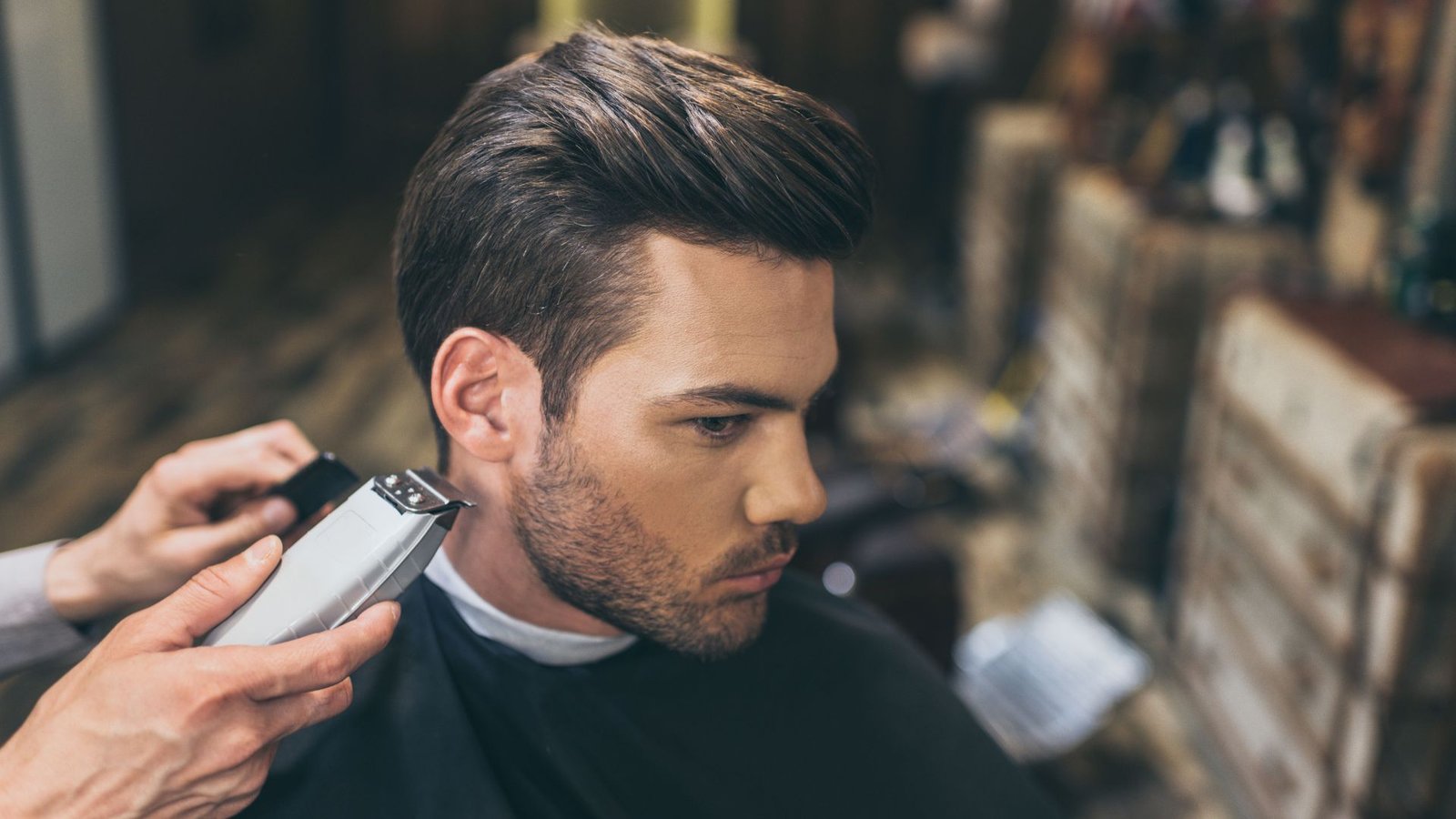
Maintaining strong and healthy hair is essential for both appearance and confidence. The journey to vibrant locks can begin with simple yet effective habits. First, regular trimming is essential to eliminate split ends and promote growth. Incorporating a balanced diet rich in vitamins and minerals, such as vitamin E and omega-3 fatty acids, supports hair health from within. Hydration cannot be overlooked; drinking enough water daily ensures the scalp and hair follicles remain nourished. When visiting a barber, especially in places like Phoenix, professionals can provide personalized tips based on hair type and condition. At home, using gentle, sulfate-free shampoos and conditioners helps maintain natural oils. Additionally, minimizing the use of heat styling tools and opting for air drying whenever possible reduces damage. By integrating these practices into your routine, achieving strong and healthy hair becomes an attainable goal.
1. Regular Trims
Getting hair trimmed every 6-8 weeks is a fundamental practice for maintaining healthy and attractive hair. Trims are crucial because they help eliminate split ends, which, if left unchecked, can lead to further damage up the hair shaft. Regularly cutting off these damaged ends prevents splitting from progressing, promoting healthier growth in the long term. Additionally, frequent trims keep hair looking fresh and neat, contributing to an overall polished appearance. This grooming routine can also contribute to enhancing the natural shape and style of your hair, making it more manageable and aesthetically pleasing. Consistency in scheduling these trims with a professional barber ensures that your hair remains in optimal condition, fostering stronger strands over time.
2. Proper Washing
Using a gentle shampoo and conditioner tailored to your specific hair type is essential for maintaining healthy hair. When selecting products, consider factors such as hair texture, whether it’s oily, dry, curly, or straight, as each type requires different care. For instance, sulfate-free shampoos are ideal for retaining moisture and preserving color in chemically treated or naturally dry hair.
It’s vital to avoid washing your hair daily, as this can strip it of its natural oils, leading to dryness and brittleness. Instead, aim to wash your hair every two to three days, or even less frequently if your scalp is naturally less oily. On non-wash days, consider using dry shampoo to absorb excess oil and maintain a fresh appearance.
When washing, focus on applying shampoo primarily to the scalp, gently massaging to lift dirt and oils, and allow the suds to cleanse the rest of the hair as you rinse. Follow up with a conditioner, concentrating on the mid-lengths and ends where moisture is most needed, then rinse thoroughly. This balanced approach helps maintain the hair’s natural protective barrier, resulting in soft, manageable, and resilient locks.
3. Condition Regularly
Conditioning is crucial for maintaining the moisture and smoothness of your hair. After shampooing, ensure that your conditioner is applied from the mid-length to the tips of your hair, as these areas are often the most dry and prone to damage. The roots typically receive natural oils from the scalp, making it less necessary to apply conditioner there. Select a conditioning product that best suits your hair type—whether it’s a rich, creamy formula for dry or damaged hair or a lightweight option for fine, oily hair. For best results, leave the conditioner in for a few minutes before rinsing, allowing its ingredients to penetrate and nourish the hair fibers. This process helps to detangle, reduce frizz, and enhance shine, ultimately leaving your hair feeling soft and looking healthy and vibrant. Regular conditioning also helps to protect your hair from the damaging effects of heat styling and environmental stressors, promoting resilient and beautiful hair.
4. Balanced Diet
Consuming a diet rich in vitamins, proteins, and minerals can greatly influence hair growth and strength. Incorporating foods high in Omega-3 fatty acids, such as salmon, walnuts, and flaxseeds, supports scalp health and improves hair elasticity. Protein is another crucial component since hair is primarily composed of keratin, a protein. A diet that includes lean meats, beans, and legumes can supply the necessary building blocks for hair strength and growth. Vitamins such as Vitamin A, C, D, and E play a supportive role in maintaining the health of hair follicles. Leafy greens like spinach and kale are excellent sources of these essential vitamins.
Additionally, minerals such as zinc and iron, found in foods like red meat, fortified cereals, and oysters, are vital for preventing hair loss and promoting hair regrowth. Hydration also plays a significant role, so maintaining an adequate intake of water can help keep hair hydrated and vibrant. By focusing on a balanced diet, you provide your hair with the necessary nutrients to remain healthy, strong, and full of life.
5. Stay Hydrated
Drinking sufficient water daily is crucial for maintaining the hydration and health of your hair. Water is a fundamental component that aids in the delivery of essential nutrients to hair cells, ensuring that the hair strands remain strong and resilient. When your body is adequately hydrated, the scalp also maintains a healthy moisture balance, which is essential for reducing dryness and preventing dandruff. A well-hydrated scalp creates an ideal environment for hair growth and can minimize hair breakage.
Additionally, proper hydration enhances the elasticity of the hair, making it less prone to damage caused by styling or environmental factors. It is generally recommended to drink at least eight glasses of water a day, but individual needs may vary based on factors such as activity level, climate, and overall health. By prioritizing water intake, you contribute to the overall health and vitality of your hair, ensuring it remains soft, shiny, and full of life.
6. Minimize Heat Styling
Reduce the use of heat styling tools such as straighteners and curlers to prevent damage to your hair. Heat styling can strip moisture from your hair, leading to dryness, brittleness, and split ends. Over time, excessive heat exposure compromises the hair’s natural protein structure, making it more susceptible to breakage and weakening its overall integrity. If heat styling is necessary, always use a heat protectant spray to create a protective barrier that minimizes damage. It’s beneficial to explore alternative styling methods like air drying or using heat-free styling techniques, such as braiding or twisting damp hair, to achieve waves or curls. Additionally, allow your hair to rest from heat styling on some days, giving it the opportunity to recover and maintain its strength and flexibility. By consciously limiting the frequency of heat application, you preserve the natural luster and strength of your hair, keeping it healthy and vibrant.
7. Protect from Sun
Prolonged exposure to sunlight can lead to significant damage to your hair, just as it can to your skin. The sun’s ultraviolet (UV) rays can degrade the hair structure, leading to dryness, split ends, and discoloration. To guard against these detrimental effects, it’s crucial to protect your hair when spending time outside. Wearing a hat or a scarf not only provides a physical barrier against the sun’s rays but also helps retain moisture, shielding the hair from drying out.
Additionally, consider using hair care products specifically formulated with UV filters. These protective products can coat the hair, minimizing the penetration of harmful UV rays and preserving the vibrancy of your natural color or dye. It’s especially important to be mindful of sun protection if you have chemically treated or color-treated hair, as it can be more vulnerable to UV damage. By adopting these protective measures, you ensure that your hair remains healthy, hydrated, and shiny, even under the sun.
8. Avoid Tight Hairstyles
Tight hairstyles, such as high ponytails, intricate braids, and sleek buns, may look stylish and polished, but they can exert excessive tension on your hair roots. This constant strain can lead to hair breakage and in severe cases, contribute to a condition known as traction alopecia, which results in hair loss due to the pressure exerted on the follicles. Over time, the repeated pulling and stress on the hair can weaken the strands, making them more prone to splitting and damage.
To mitigate these effects, it’s advisable to opt for looser styles that are gentle on your scalp and hair roots. Styles like loose braids, low ponytails, or letting your hair down can help minimize the strain, thereby reducing the risk of breakage. Additionally, if you need to tie your hair up, consider using fabric-covered hair ties or scrunchies that do not tug on the hair excessively. By embracing these gentler styling choices, you not only maintain the integrity of your hair but also promote a healthier and more resilient scalp.
9. Massage Scalp
Regular scalp massages can boost blood circulation, encouraging hair growth and improving overall scalp health. By applying gentle pressure with your fingertips, you can increase blood flow to the hair follicles, ensuring that they receive more nutrients and oxygen, which are essential for promoting healthy hair growth. Incorporating essential oils like rosemary or peppermint during the massage can further enhance circulation and provide additional nourishment.
Scalp massages also help reduce stress by stimulating the nerves and causing a relaxation response in your body, which indirectly supports hair health by minimizing stress-induced hair loss. To effectively massage your scalp, use your fingertips in a circular motion, covering the entire scalp for about five to ten minutes daily. This practice not only promotes potential hair growth but also contributes to a sense of relaxation and well-being, making it a beneficial addition to any hair care routine.
10. Use Quality Products
Investing in high-quality hair products tailored to your specific hair needs can greatly enhance the overall health and appearance of your hair. These products are typically formulated with premium ingredients that work effectively to nourish and protect the hair shaft and scalp. For instance, shampoos and conditioners containing natural oils, proteins, and vitamins can strengthen hair, add moisture, and reduce breakage.
Additionally, high-quality styling products, like serums and heat protectants, can shield hair from environmental damage and heat styling tools, preventing dryness and split ends. While these products may be more costly, the investment is worthwhile as they contribute to maintaining vibrant, healthy-looking hair in the long run. It’s crucial to understand your hair type and concerns, such as dryness, frizz, or color-treated hair, to choose products that will specifically address those issues. Incorporating such targeted products into your hair care regimen will not only preserve the natural beauty of your hair but also boost its resilience against everyday stressors.
Conclusion
By implementing these simple tips, anyone can enjoy strong, healthy hair. Consistent scalp massages can enhance circulation, promoting potential hair growth and adding a soothing element to your routine. Selecting quality hair products tailored to your specific needs ensures your hair receives the proper nourishment and protection, addressing issues like dryness or damage effectively. Whether you’re considering a visit to a trusted barbershop for professional advice and care, or maintaining hair independently at home, integrating these strategies into your hair care regimen will significantly contribute to overall hair vitality. Emphasizing both internal and external hair health, these practices will help maintain your hair’s natural luster and resilience against everyday stressors.