
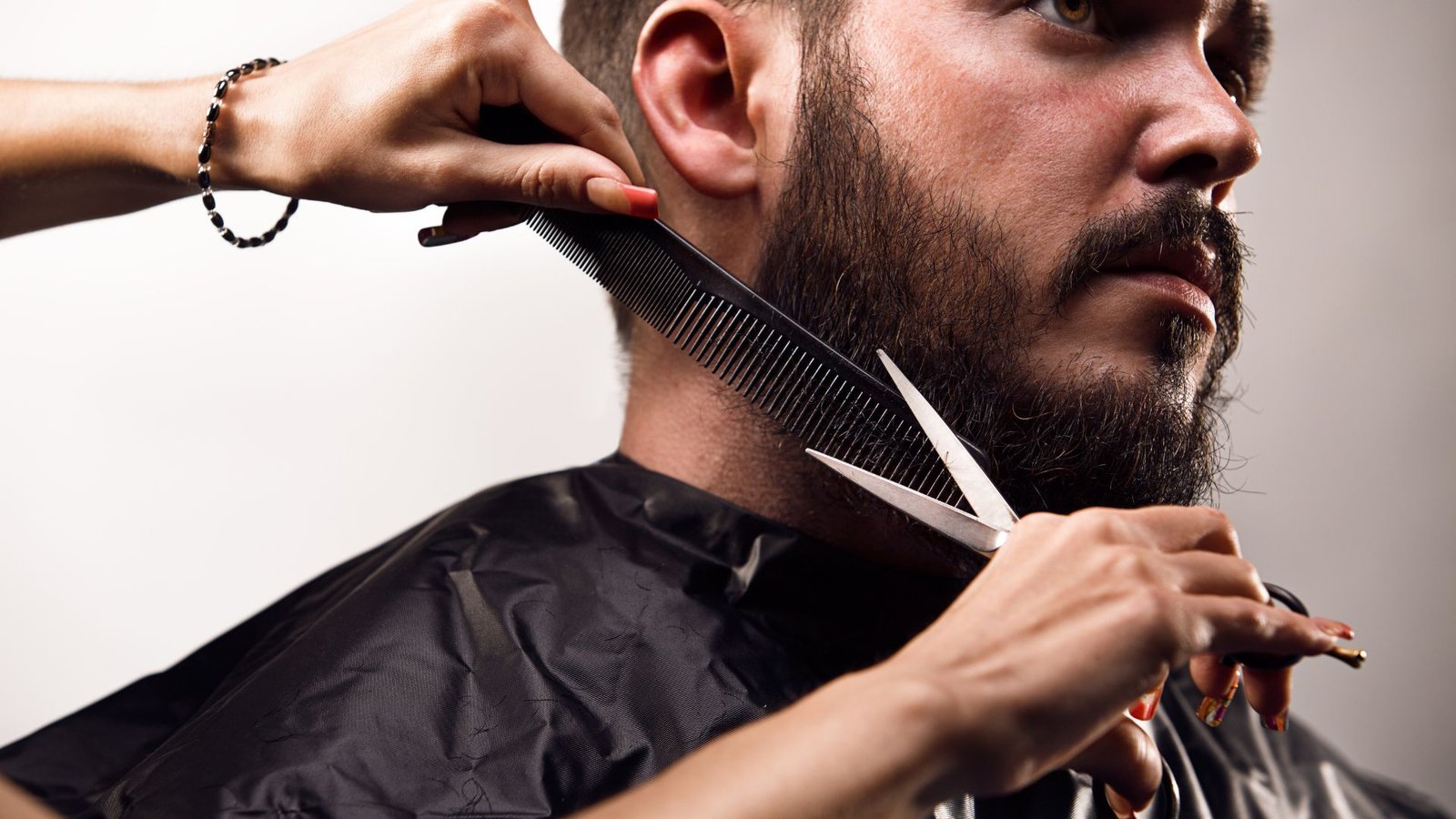
Achieving a polished beard trim at home might seem daunting at first, but with the right techniques and tools, it becomes much more straightforward. A quality trimmer, sharp scissors, and a reliable mirror are essential in your grooming arsenal. Begin by understanding your beard’s natural growth pattern, which will guide you in creating a defined and even look. Consistent maintenance is key to keeping your beard looking its best, so regular trims are advisable. Whether you’re envisioning a sharply defined style or prefer a softer, well-groomed appearance, these tips will help you refine your approach and ensure success in your at-home grooming routine.
1. Invest in Quality Tools
Quality tools make a significant difference in beard maintenance and are fundamental for achieving a precise and professional look. Investing in a sharp trimmer is crucial, as it ensures clean lines and allows for control over varying lengths, making it easier to shape and style your beard according to your preference. A pair of high-quality, sharp scissors is also indispensable for detailing and tackling longer hairs that a trimmer might miss. This ensures evenness and symmetry in your beard. Additionally, a fine-toothed comb is essential for detangling and keeping your beard neatly arranged, aiding in an even trim. High-grade tools not only enhance performance but also reduce the time and effort required in your grooming routine, ultimately elevating the quality of the final outcome.
2. Wash and Dry Your Beard
Before embarking on the trimming process, it is essential to thoroughly wash and dry your beard. Begin by using a beard shampoo that thoroughly cleanses your facial hair and skin, removing any dirt, oil, and residue. This step ensures that your beard is fresh and ready for grooming, free from any build-up that could cause irritation or dull the blades of your trimmer. Once washed, gently pat your beard dry with a towel, ensuring it is completely free from moisture. If time permits, allow your beard to air dry to maintain the hair’s natural texture. Drying your beard is crucial as cutting wet hair can lead to uneven trims; wet hair stretches and may appear longer, which can result in cutting more than intended once it dries. Taking these preparatory steps helps achieve a uniformly groomed, polished look, setting the stage for precise shaping and styling.
3. Determine Your Beard Shape
Determining your beard shape is a crucial aspect of grooming that can significantly enhance your appearance. Start by assessing your facial structure; understanding whether your face is round, oval, square, or heart-shaped will guide you in selecting a beard style that complements your natural features. For instance, individuals with a round face shape may benefit from a more angular beard that creates definition, whereas those with a longer face might prefer a fuller beard to add balance.
Consider your personal style and the level of maintenance you are willing to commit to. A well-chosen beard shape not only highlights your best features but also harmonizes with your overall look, boosting your confidence. Take your time experimenting with different styles and seek advice from a professional barber if needed. Remember, the ideal beard shape enhances your natural aesthetics, accentuating your individuality while ensuring you feel your best.
4. Trim in a Well-Lit Area
Trimming your beard in a well-lit area is paramount to achieving a precise and even finish. Adequate lighting ensures you can clearly see each section of your beard, reducing the risk of uneven cuts and helping you maintain the desired style. Natural light is ideal, as it offers the most accurate representation of your hair’s true color and texture, but if that’s not available, invest in a quality lighting solution that minimizes shadows and glare.
Position yourself in front of a mirror that provides a full view of your face, so you can systematically tackle each segment of your beard. If you’re using artificial lighting, consider one with adjustable brightness to tailor the illumination to your needs. By trimming in a well-lit space, you enhance your ability to make precise cuts, resulting in a professional-looking finish that complements your facial features. Ultimately, good lighting is as crucial as the tools you use, serving as an essential component of your grooming routine.
5. Use Gradual Length Adjustments
Start with a longer guard length and gradually decrease it to achieve the desired beard length. This method ensures a more natural and even appearance by allowing you to assess how each cut affects your beard’s overall shape and length. Begin by selecting a guard length that is longer than your target length, giving you a margin for error if you accidentally trim too much. Gently run the trimmer through your beard, following the natural contours of your face. Once you’ve evened out the beard using the longer guard, switch to a slightly shorter length, and repeat the process, focusing on areas that need further trimming.
Using incremental adjustments helps blend different sections of your beard, particularly around the jawline and chin, where variations in thickness and growth patterns are most noticeable. This approach prevents harsh lines and abrupt changes in length, contributing to a more seamless transition that enhances the beard’s natural flow. Take your time with each pass, and frequently check your progress in the mirror to ensure uniformity. By using gradual length adjustments, you maintain greater control over the final outcome, creating a beard style that is polished, balanced, and tailored to your preferences.
6. Trim Overgrowth First
Begin by identifying areas of your beard where overgrowth is most pronounced, such as the neck, cheeks, and around the mouth. These areas can often appear untidy if not regularly maintained, disrupting the overall symmetry and aesthetics of your beard. Start by using a comb to lift the hair away from the skin, allowing you to see which sections need trimming. Then, take a pair of high-quality scissors or a trimmer with an appropriate guard length to carefully snip off excess hair.
Focus on removing only what’s necessary to define the beard’s outlines without compromising its shape. For the neck area, tilt your head slightly to get a clear view of your neckline, and trim upwards towards your jawline to create a clean, sharp edge. Similarly, for cheek areas, follow the natural curve from the sideburns to the mouth, maintaining a consistent line that complements your face’s structure.
Take extra care around the mustache and mouth area, using smaller scissors to trim around the lips for greater precision. This detail ensures that the mustache is neatly defined while not interfering with daily activities such as eating or speaking. Trim with small, controlled movements, regularly checking in the mirror to maintain evenness. By trimming overgrowth first, you establish a clean canvas, making the subsequent steps of your grooming routine more effective and easier to manage.
7. Focus on Symmetry
Symmetry is key to a neat beard trim, ensuring that your facial hair enhances your natural features rather than detracting from them. A balanced look requires paying close attention to both sides of your face during the trimming process. Begin by standing in front of a well-lit mirror, and examine your beard’s current state, noting any areas where the hair density or length might differ. Use a comb to part your beard down the middle, facilitating a clear view to assess the symmetry.
To achieve symmetry, it’s helpful to trim small amounts at a time, alternating between one side of your face and the other. This approach prevents over-trimming on one side, which can lead to an uneven appearance. Use clippers with an adjustable guard length to methodically trim each side to a uniform length, making subtle adjustments as needed. Pay special attention to the outlines of the beard, such as the cheek line and neckline, ensuring they mirror each other in height and curvature.
For the mustache and chin area, symmetry is equally important. Trim these sections while frequently stepping back to view your entire face, ensuring that the centerline remains intact and both sides match in density and shape. If your beard style includes defined edges or curves, use a beard trimmer without a guard or a precision razor to achieve sharp, even lines.
Remember, a perfectly symmetrical beard not only looks polished but also frames your face beautifully, complementing your facial features. By taking the time to focus on symmetry, you enhance the overall aesthetics of your beard, delivering a professional and balanced appearance.
8. Define the Neckline
Defining the neckline is a crucial step in refining the overall appearance of your beard, contributing significantly to its sharp and professional look. To begin, imagine a curved line running from ear to ear, passing just below your jawline. This imaginary line serves as a guide for where your neckline should be shaped. A well-defined neckline prevents the beard from appearing unkempt and ensures it blends well with the natural contours of your face.
Start by placing two fingers above your Adam’s apple. This point marks the baseline where your neckline will typically begin. From here, visualize a gentle curve rising from behind each ear and dipping slightly in the center below the jaw. This curve helps in achieving a symmetrical and aesthetically pleasing appearance. Use a trimmer without a guard to carefully shave below this line, removing any hair that falls beneath it. Go slowly and work methodically to maintain balance and avoid removing too much hair, which can disturb the overall harmony of your beard.
Once you have a clean baseline, refine the edges by making precise cuts, ensuring that each side mirrors the other perfectly. Regularly step back and assess your work in the mirror to confirm that the neckline aligns evenly and complements your facial structure. This precision not only enhances the neatness of your beard but also exudes a sense of meticulous grooming that can transform your entire look into one that is polished and sophisticated.
9. Regularly Clean Tools
Regularly cleaning and maintaining your trimming tools is essential for both hygiene and the longevity of the tools themselves. By incorporating a consistent cleaning routine, you not only protect your skin from potential irritations and infections but also ensure that your tools perform their best during each grooming session. Start by disassembling any detachable parts of your trimmers or scissors, and clean them using warm soapy water or a specialized cleaning solution designed for grooming equipment. This helps to remove any build-up of oils, dust, and hair. After washing, make sure to thoroughly dry each component to prevent rust and corrosion.
Additionally, sharpening blades at regular intervals will maintain their effectiveness, allowing for smoother and more precise trims without tugging or pulling on the hair. Applying a few drops of blade oil periodically will keep the blades lubricated and free from friction damage. Remember to store your tools in a clean, dry place, ideally in a protective case or pouch to further extend their lifespan. Investing time in proper maintenance pays off by ensuring your grooming tools deliver clean and precise results, ultimately enhancing your beard’s appearance and the overall grooming experience.
10. Consider Professional Advice
If guidance is needed for complex styles, consider consulting with a barbershop for expert advice. A single professional session can provide valuable insight into the best maintenance practices. Skilled barbers have experience with a variety of beard types and styles, and they can offer personalized recommendations based on your individual hair growth patterns and facial structure. They can demonstrate proper techniques for trimming and shaping, ensuring that you leave with a clearer understanding of how to achieve and maintain your desired look.
Moreover, these professionals can suggest specific products that suit your skin type and hair texture, such as tailor-made oils, balms, and shampoos. By tapping into their expertise, you can elevate your grooming routine and avoid potential pitfalls, ensuring that your beard not only looks great but remains healthy and well-groomed. Whether you’re aiming for a classic style or something trendier, a professional touch can make all the difference in achieving a sophisticated and polished appearance.
Conclusion
Achieving an effortlessly polished look requires attention to detail and a commitment to regular maintenance. By following the tips provided, you can effectively manage your grooming routine at home, keeping your beard well-shaped and healthy. Maintaining sharp tools, applying appropriate products, and staying in tune with your facial structure and style preferences are key to fostering an impressive appearance. However, there may be times when achieving precision becomes challenging despite your best efforts. In such instances, seeking the expertise of the best beard trim services and professional barbershop guidance in Phoenix can be immensely beneficial. These experts provide not only precise trims but also valuable insights tailored to your unique needs, ensuring you achieve the sophistication and polish you desire. Whether you prefer to take a DIY approach or capitalize on professional support, the right resources are within reach to help you maintain a refined and commanding presence.